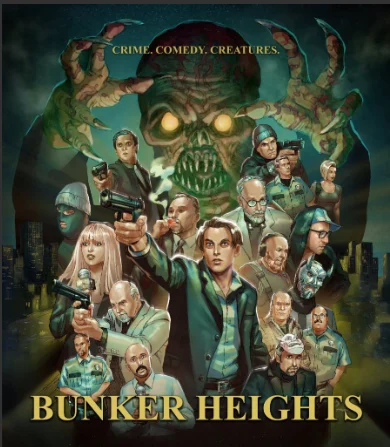
The landscape of independent horror cinema in 2026 has been marked by a resurgence of practical effects-heavy storytelling, a trend epitomized by the recent release of Bunker Heights. This genre-bending film, which attempts to bridge the gap between gritty crime noir and the creature-feature aesthetics of the late 1980s and early 1990s, has arrived on physical media via a comprehensive two-disc limited edition Blu-ray package. Directed with a clear affinity for the VHS-era "monster movie" subgenre, the production serves as a case study in the current state of independent filmmaking, where ambition often outpaces the limitations of micro-budget production.
Narrative Framework and Genre Hybridization
At its core, Bunker Heights follows the trajectory of a disillusioned homicide detective navigating an urban landscape defined by systemic corruption and organized crime. The film’s narrative engine is ignited when this protagonist uncovers a subterranean threat, transitioning the story from a procedural crime drama into a full-scale creature feature. This thematic oscillation between the grounded, dark reality of detective noir and the fantastical elements of creature-driven horror represents an ambitious attempt to balance disparate tonal requirements.
The film relies heavily on a "DIY" production philosophy, an approach that has gained traction among independent filmmakers seeking to emulate the tactile nature of practical effects over the increasingly prevalent digital alternatives. By prioritizing physical creature design, the production team has signaled a commitment to the tangible horror sensibilities that defined the practical effects golden age.
Production Context and Cast Dynamics
The production of Bunker Heights has garnered attention largely due to its eclectic ensemble cast, which blends seasoned horror professionals with figures from the music industry. The film features performances by Hannah Fierman, known for her contributions to modern anthology horror; Chaney Morrow, a staple in contemporary independent genre projects; and Paul T. Taylor, whose work in practical-effect-heavy franchises is well-documented.
In a move to diversify the film’s appeal and aesthetic identity, the producers integrated musical cameos from notable figures, including Violent J (Joseph Bruce of Insane Clown Posse), Vinnie Dombroski of Sponge, and bassist David Ellefson. This integration of music-industry personalities into a narrative-heavy horror production reflects a growing trend in indie cinema to leverage crossover fanbases to bolster visibility in a crowded digital streaming market.
Chronology of Development and Distribution
The path to the film’s 2026 release was characterized by a concerted effort to maintain a "collector-first" mentality. Following the completion of principal photography, the production team engaged in an extensive post-production phase aimed at maximizing the film’s technical presentation. The resulting Blu-ray package is indicative of a broader industry shift toward premium physical media for niche titles.
- Production Phase: Filming commenced with a focus on practical set design and creature animatronics, prioritizing location shoots to capture a "lived-in" urban atmosphere.
- Post-Production: The editorial team worked to balance the 106-minute Director’s Cut against an expanded, 121-minute Extended Cut. This decision reflects a commitment to providing audiences with multiple iterations of the film, a practice historically reserved for major studio blockbusters.
- Distribution Launch: The title was positioned for a specialized home media release, bypassing a traditional theatrical wide-release model in favor of a direct-to-consumer strategy designed to appeal to the "physical media" collecting community.
Technical Specifications and Home Media Analysis
The physical release of Bunker Heights is particularly notable for its technical density. By providing both a Director’s Cut and an Extended Cut, the distributor acknowledges the divergent expectations of modern horror audiences. The inclusion of an 80-minute "making-of" documentary—featuring interviews with nearly 30 cast and crew members—serves as a comprehensive look at the logistical challenges of producing independent horror in 2026.
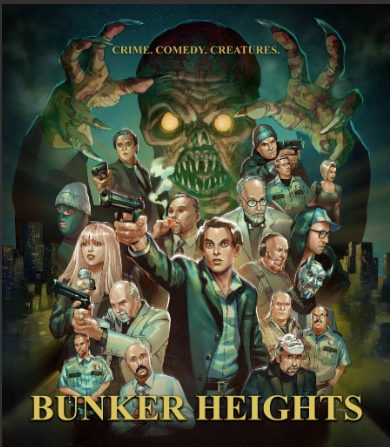
This documentary provides a transparent window into the production, detailing the hurdles of limited-budget filmmaking. For industry observers, this serves as an essential case study in how small-scale productions utilize behind-the-scenes content to add value to physical assets. The packaging itself, featuring reversible artwork and a limited-edition slipcover, underscores the marketing strategy of targeting long-term genre enthusiasts who view film ownership as a tangible investment.
Critical Assessment and Pacing Implications
From a structural standpoint, the film exhibits the classic hallmarks of a genre homage. Critics have noted that while the production succeeds in its visual mimicry of the 1980s aesthetic, it occasionally struggles with pacing. The attempt to weave complex crime-procedural elements with the chaotic energy of a creature-feature results in uneven momentum. Where the film excels is in its creature design and the clear enthusiasm of its cast; where it faces challenges is in the synthesis of its disparate plot threads.
The "Bunker Heights" experience is one of high-concept ambition. While the film may not achieve the narrative cohesion of the classic films it seeks to emulate, it demonstrates a functional mastery of independent filmmaking techniques. The inconsistency in tone is frequently offset by the production’s commitment to its chosen aesthetic, providing an experience that is consistently engaging even when the narrative logic falters.
Industry Implications: The State of Independent Horror
The release of Bunker Heights arrives at a pivotal time for independent cinema. As streaming platforms become saturated with algorithm-driven content, the "collector-grade" physical release has become a sanctuary for films that prioritize creative risk over broad marketability. This film serves as an example of how independent studios are navigating this environment by doubling down on "special edition" content.
Furthermore, the involvement of diverse creative talent from various entertainment sectors—horror, music, and performance art—highlights a move toward multidisciplinary collaboration. This cross-pollination is essential for independent films to penetrate the noise of the current digital landscape. The data-driven trend of including extensive behind-the-scenes footage and multiple cuts of a film is a direct response to a consumer base that demands deeper transparency and more "insider" access to the filmmaking process.
Conclusion and Broader Impact
Bunker Heights is a representative work of its time—a film that values the spirit of its predecessors while navigating the economic realities of the modern independent market. Its performance as a physical media product will likely be monitored by similar production houses as a benchmark for how to market niche, mid-budget horror.
While the film itself may be classified as a "good, not great" effort, its impact lies in its execution of the "collector-friendly" release model. For students of the genre and independent filmmakers alike, the project offers a blueprint for how to build a lasting legacy for a title through exhaustive documentation and premium packaging. As the industry continues to evolve, the success of titles like Bunker Heights will depend on their ability to maintain this delicate balance between narrative ambition and the logistical realities of contemporary production.
For those tracking the trajectory of the horror genre, Bunker Heights provides a clear picture of the current priorities: a dedication to practical craftsmanship, a reliance on community-driven marketing, and a firm belief that for the right audience, the physical film is far more than just a piece of media—it is an artifact of the creative process itself. Whether or not it achieves the status of the classics it draws inspiration from, the film succeeds in its objective of fostering a genuine connection with its audience, ensuring its place within the broader tapestry of 2026 independent cinema.