Ubisoft Reportedly Developing Two New Assassin’s Creed Titles, Including an Ancient Rome Project and a Mobile Game Set in Jerusalem

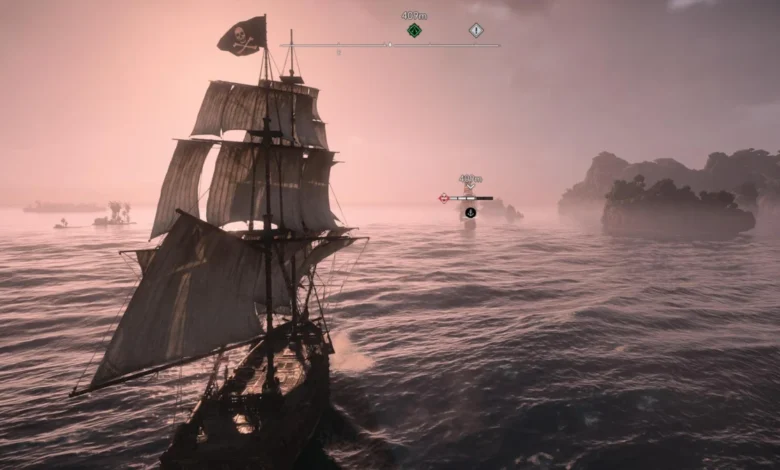
Ubisoft is reportedly expanding its powerhouse franchise with two unannounced projects currently moving through internal development pipelines. According to industry leaks, the French video game giant is working on a mainline-adjacent installment codenamed "Mars," which will transport players to the era of ancient Rome, alongside a mobile experience codenamed "Pocket," set in Jerusalem. While the leaks offer a tantalizing glimpse into the future of the multi-billion-dollar franchise, industry insiders warn that fans will likely have to wait several years before these titles see the light of day.
The latest wave of information originated from prominent content creator and leaker Xj0nathan, who detailed the projects in a recent video analysis. According to sources with purported access to Ubisoft’s internal backend and development systems, the Roman-themed project carrying the "Mars" codename is heavily tied to the company’s broader multimedia strategy. Specifically, rumors suggest the setting will directly link to the upcoming, highly anticipated Assassin’s Creed television series currently in development as part of Ubisoft’s partnership with streaming giant Netflix.
Parallel to the Roman project, the leak highlights a mobile-focused title currently designated under the codename "Pocket." Set in Jerusalem, this portable installment is reported to feature gameplay mechanics reminiscent of the Mastery Challenge mode from Assassin’s Creed Valhalla. Furthermore, its visual and artistic direction is said to draw inspiration from recent entries in the Prince of Persia franchise. According to the same leaks, the protagonist in "Pocket" will be guided by a mentor character named Myriam.
Industry validation for these codenames came via reporting from Insider Gaming. However, the publication noted that it was unable to independently verify the full scope of the projects at this time. This difficulty in confirmation is attributed to a period of significant corporate and creative turbulence within Ubisoft, particularly following the departure of former Assassin’s Creed franchise boss Marc-Alexis Côté, which has led to restructuring and shifting timelines across various development studios.
Background Context and Franchise Timeline
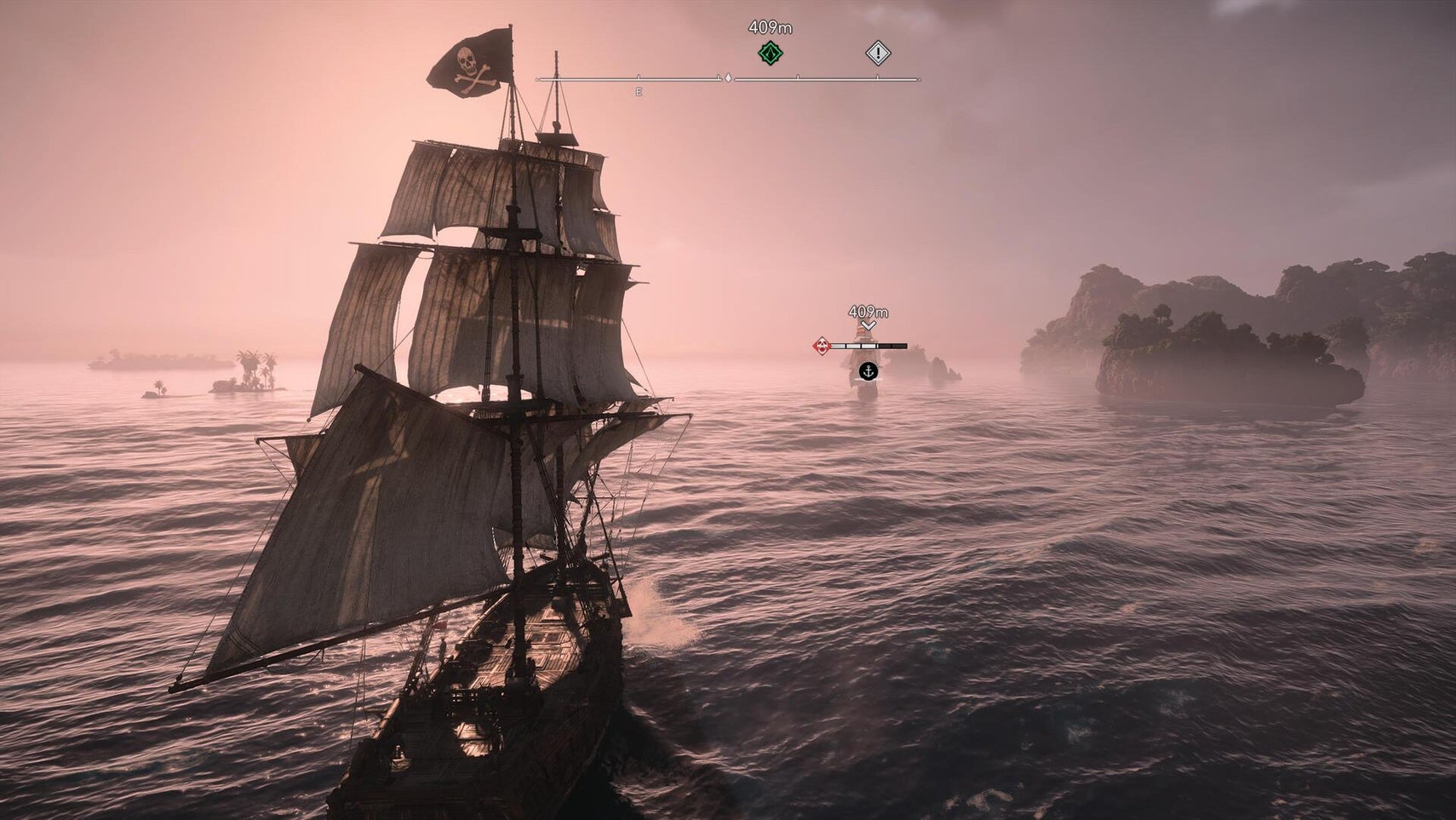
The Assassin’s Creed franchise has maintained an aggressive release schedule since the debut of the original title in 2007. Over nearly two decades, the series has explored a vast array of historical epochs, ranging from the Third Crusade and the Italian Renaissance to the Golden Age of Piracy, Victorian London, ancient Greece, and Viking-Age Scandinavia.
While the series famously featured Rome in 2010’s critically acclaimed Assassin’s Creed: Brotherhood, that iteration focused exclusively on the Renaissance period under the rule of the Borgia family. An ancient Rome setting would represent a major milestone for the franchise, pushing the timeline centuries further back into antiquity—a historical space Ubisoft previously explored in 2017’s Assassin’s Creed Origins (set in Ptolemaic Egypt) and 2018’s Assassin’s Creed Odyssey (set during the Peloponnesian War).
The timing of these leaks coincides with a turbulent period for Ubisoft’s release calendar. Last month, insider reports surfaced claiming that Assassin’s Creed Hexe—touted as the next major flagship title following the rollout of Assassin’s Creed Shadows—had suffered an internal delay of roughly one year, pushing its anticipated launch window toward 2028. Conversely, conflicting reports from other industry analysts suggest the game could arrive as early as next year.
Should Codename Mars eventually materialize into a full-fledged commercial release, analysts caution that a protracted wait is virtually guaranteed. Insider Gaming projections suggest that official communication or marketing rollouts regarding the ancient Rome project are unlikely to surface before 2029 or 2030, given Ubisoft’s current project pipeline and development bottlenecks.
Corporate Strategy and Official Stances
The emergence of these codenames follows closely on the heels of official corporate communications from Ubisoft regarding the trajectory of its flagship intellectual property. Less than a week prior to the leaks, the publisher issued a formal statement addressing the future of the series. Amid rampant fan speculation and rumors regarding potential full remakes of classic legacy titles, Ubisoft explicitly insisted that no new remakes of past games in the series are currently in active development.

This stance underscores a corporate focus on balancing massive, open-world historical RPGs with experimental spin-offs, mobile adaptations, and transmedia expansions. By integrating interactive gaming experiences with television adaptations—as seemingly planned for the Rome project—Ubisoft aims to maintain continuous consumer engagement across multiple entertainment mediums.
Broader Impact and Market Implications
The leakage of Codename Mars and Codename Pocket highlights the ongoing challenge video game publishers face with data security and internal network privacy. As development studios increasingly rely on interconnected cloud infrastructure and distributed remote workforces, proprietary databases have become frequent targets for data miners and independent leakers.
For consumers and investors, these leaks offer insight into Ubisoft’s long-term strategic vision. Despite recent financial pressures and shifting market trends, the publisher remains heavily invested in the Assassin’s Creed brand as its primary revenue driver. By diversifying platforms—ranging from high-end current-generation hardware to mobile devices—Ubisoft is attempting to capture a broader demographic of gamers worldwide.
However, the reported delays and distant release windows for projects like Mars emphasize the growing development cycles of modern AAA video games. As production budgets balloon and the technical demands of rendering historical open worlds increase, the time required to bring a major title from concept to completion continues to expand. For now, fans of the franchise must look toward near-term releases while waiting for official confirmation from Ubisoft regarding its eventual return to antiquity.