The Evolution of the Endless Franchise
The development of Endless Legend 2 was anticipated by the strategy community for years, following the success of Amplitude’s previous titles, including the Endless Space series and Humankind. The original Endless Legend was credited with revitalizing the turn-based strategy market by introducing asymmetrical faction mechanics and a distinct "science-fantasy" aesthetic that moved away from the standard tropes of historical or space-based 4X games.
The 2026 release represents a significant technical leap for the studio. Optimized for modern hardware, the game features a more robust engine capable of handling the complex, dynamic environmental changes of its setting, the planet Saiadha. This iteration is Steam Deck Verified, a critical consideration for the modern strategy audience, ensuring that the complex UI and demanding turn-based calculations are functional on portable hardware.
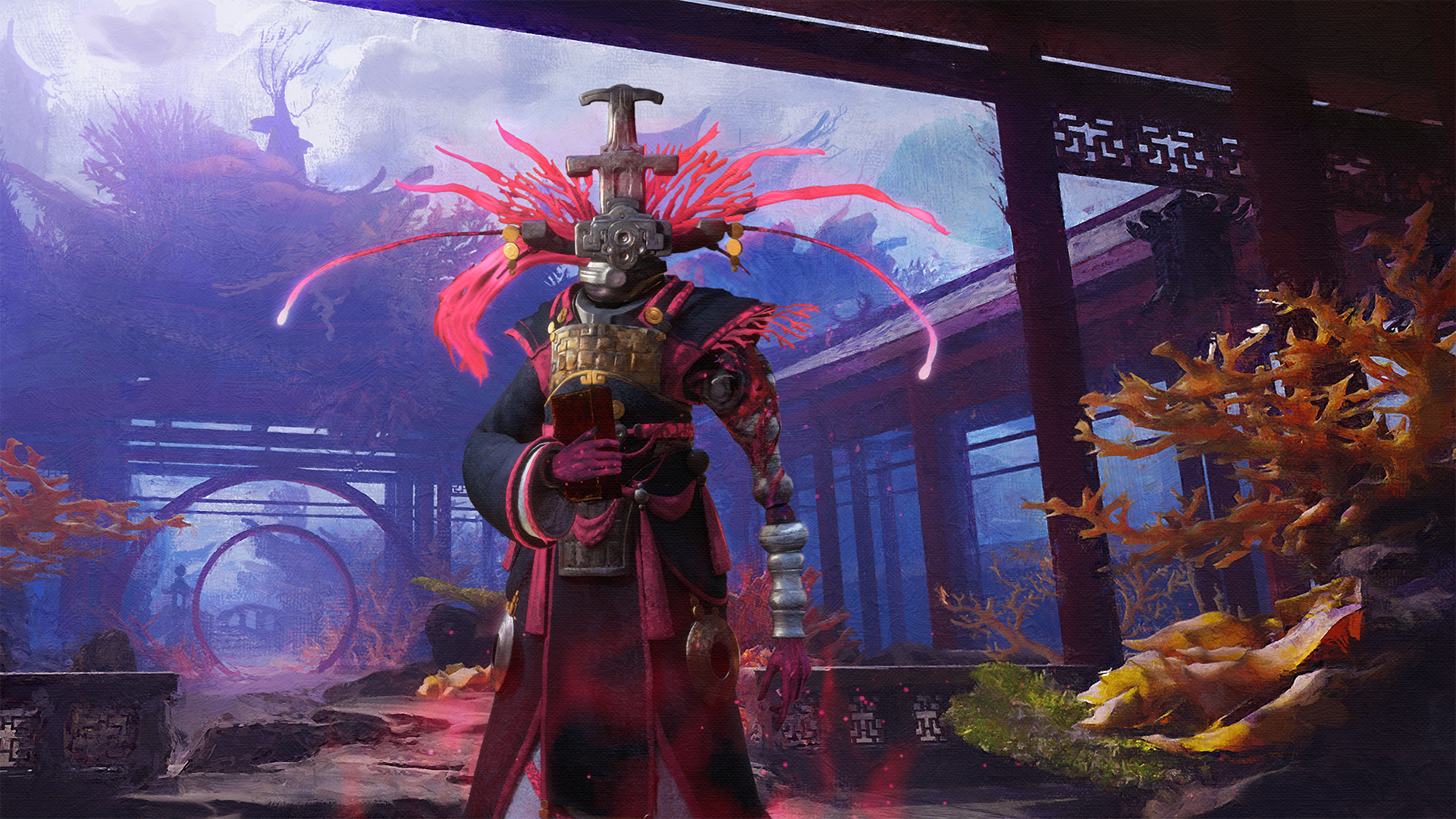
Environmental Dynamics and Game Mechanics
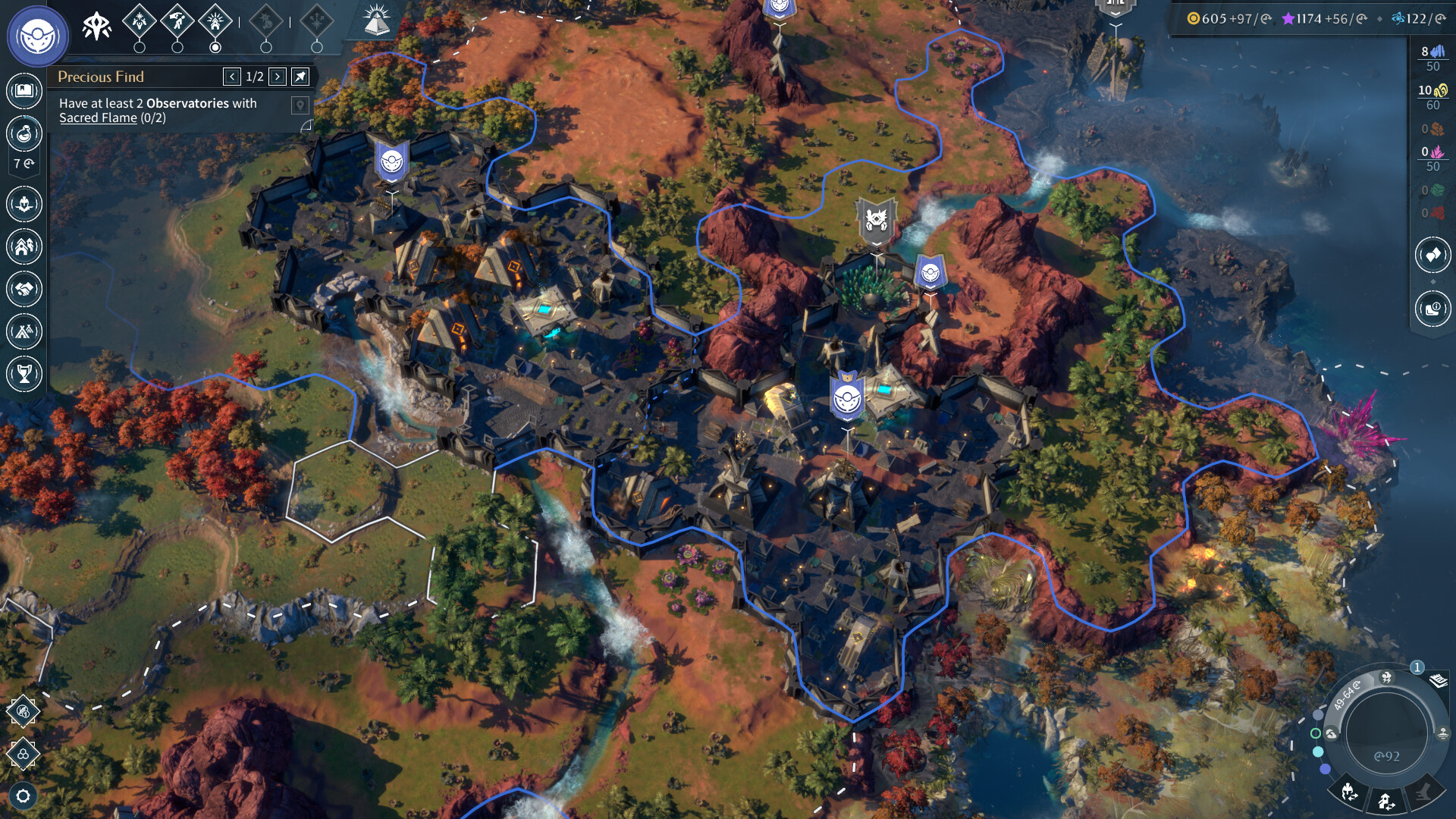
The core innovation in Endless Legend 2 is the "Tidefall" mechanic. Unlike its predecessor, where the world of Auriga was a static map with predictable resources, Saiadha is a volatile, dying world. The planet undergoes a cyclical transformation process where monsoon seasons are followed by the recession of global oceans. This event exposes new, previously submerged landmasses, revealing ancient technologies and tactical terrain advantages.
From a design perspective, this creates a constant "push-pull" dynamic for players. In most 4X games, the late-game experience often suffers from stagnation, where empires become static and the gameplay shifts into a repetitive "grind" for victory conditions. By physically altering the map geometry periodically, Endless Legend 2 forces players to constantly adapt their military positioning, logistics, and expansion strategies. This keeps the mid-to-late game engagement levels higher than the genre average, as new frontiers can appear at any moment, shifting the geopolitical landscape of the entire map.
Faction Asymmetry and Strategic Depth
True to the studio’s design philosophy, Endless Legend 2 places extreme emphasis on faction asymmetry. Each playable race functions under a unique set of rules that fundamentally alters the standard 4X economic loop, which usually centers on the "FIDSI" (Food, Industry, Dust, Science, Influence) model.
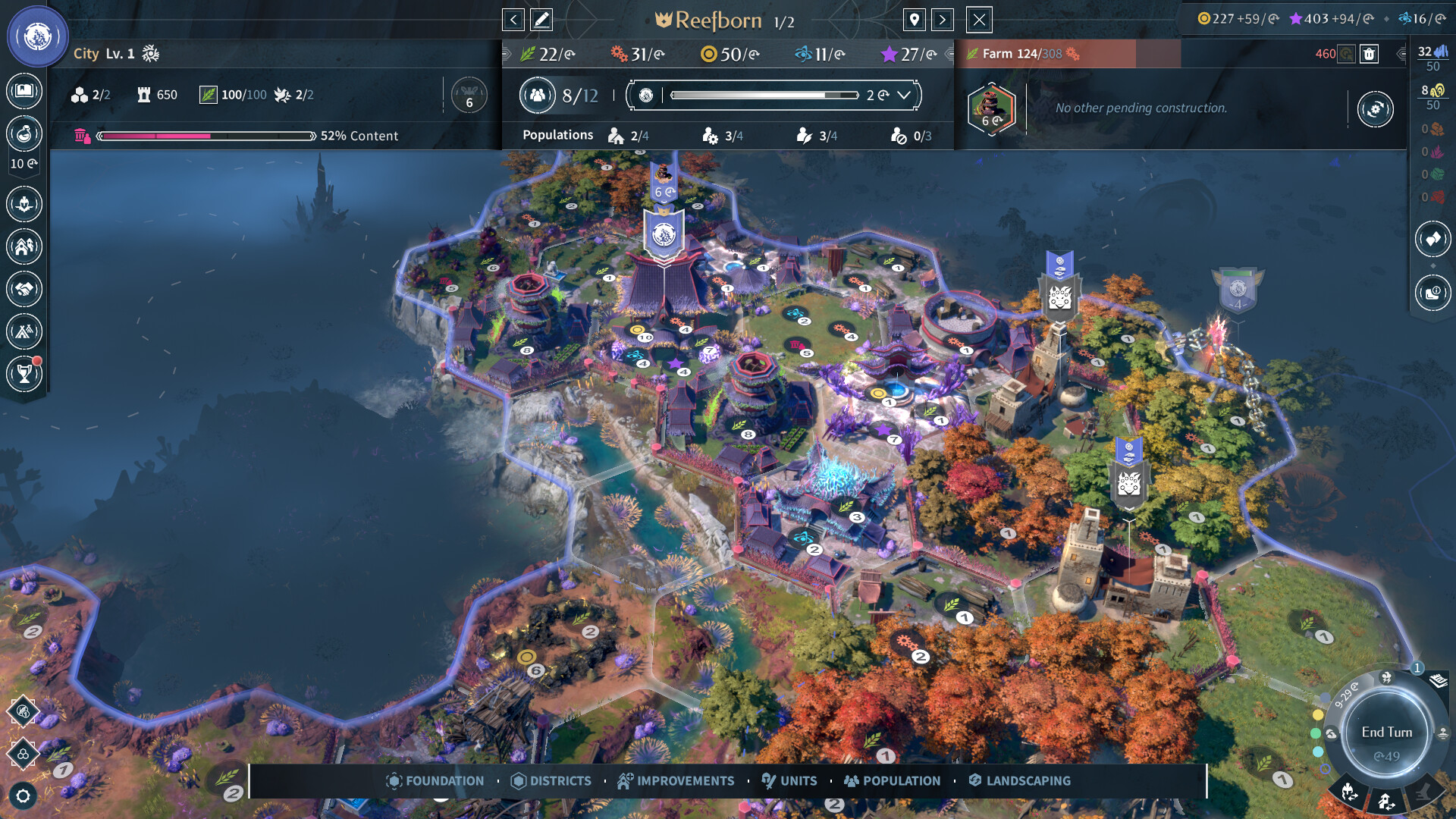
For instance, factions like the Sandshapers interact with the environment by terraforming tiles, a necessity for their survival as they cannot engage in traditional agriculture. Others, such as the Children of Sheredyn, focus on fortification and defensive dominance, while the Necrophage faction utilizes a single-city, expansionist-militarist model. This approach ensures that a victory achieved as one faction requires a vastly different tactical and strategic approach than one achieved by another.
While the game maintains the familiar FIDSI resource system—a hallmark of Amplitude’s design that has been widely adopted across the strategy genre—it introduces refined, though occasionally opaque, UI elements. The move toward symbol-based map labeling over text-heavy interfaces has improved visual cleanliness but created a slight learning curve for players accustomed to the explicit labels of the first game.
Technical Performance and Audio Design
The auditory experience of the game is driven by composer Arnaud Roy, whose work on the previous Endless titles garnered significant critical acclaim. The soundtrack in Endless Legend 2 utilizes a dynamic audio engine that adjusts the mix based on the player’s current context. For example, when entering the diplomacy interface, the score’s low-end frequencies are dampened to prioritize the clarity of faction leader dialogue. The use of a "crystal organ" as the primary thematic instrument reinforces the game’s science-fantasy atmosphere, providing a cohesive sonic identity.
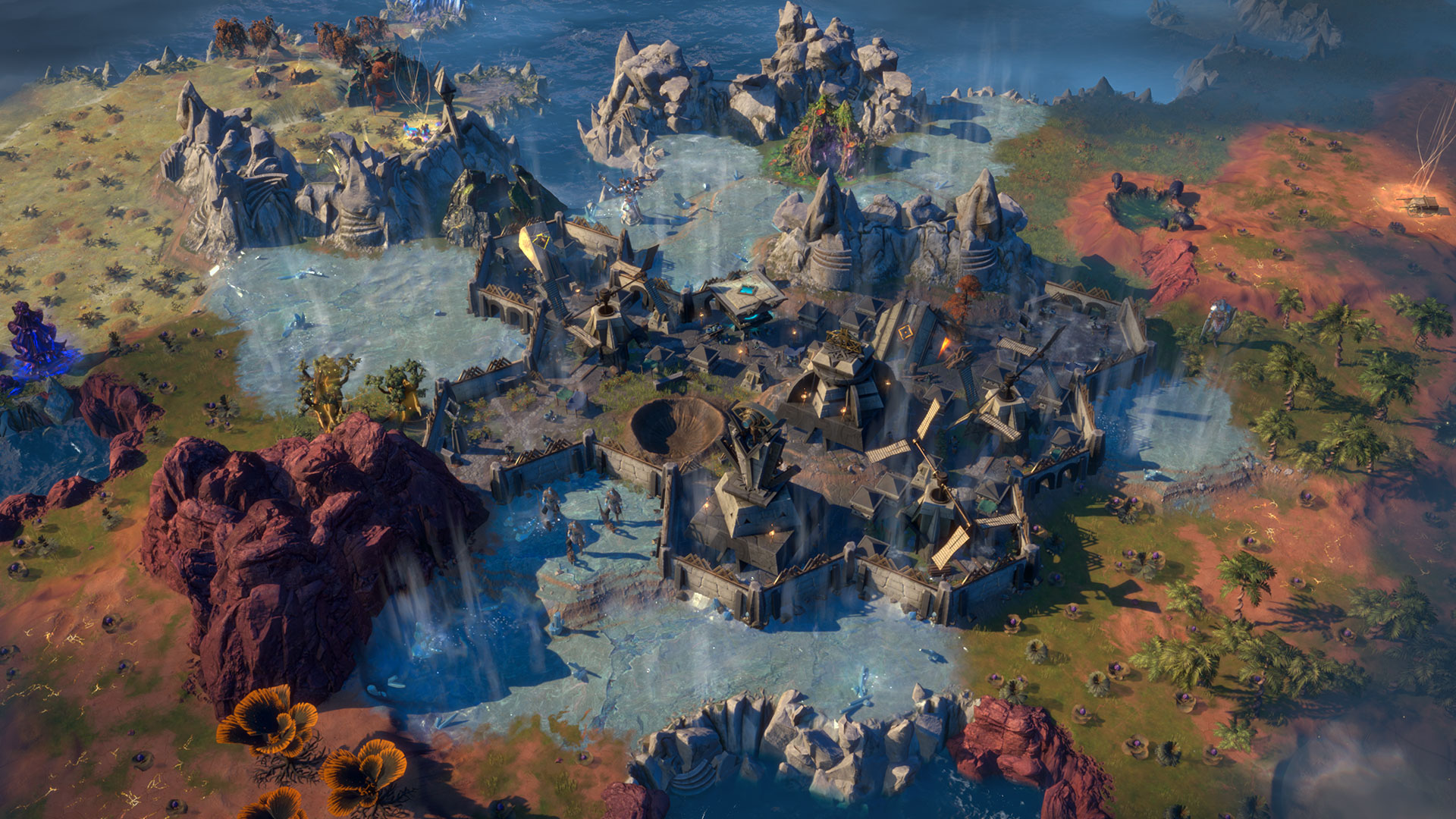
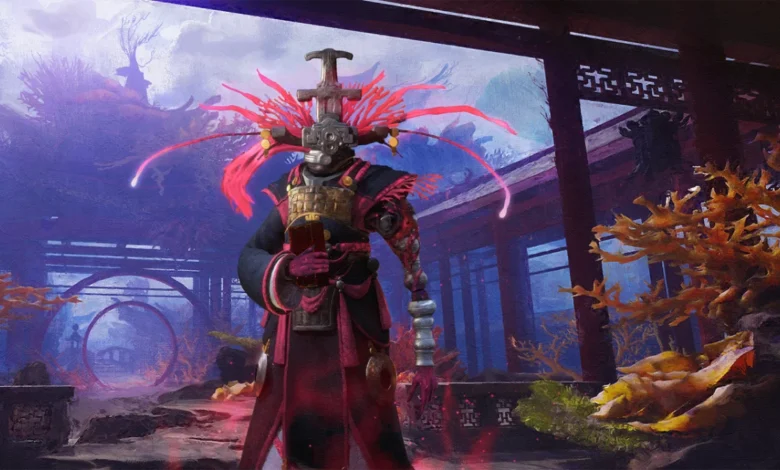
Visually, the game utilizes a painterly art style that maintains the high standards set by its predecessor. The texture work on terrain—ranging from living circuitry to shifting desert sands—is distinct and provides clear visual cues regarding the utility of specific map tiles. While some reviewers have noted a relative lack of dynamic lighting—which remains consistent unless a monsoon event is triggered—the decision to favor a consistent, readable visual environment over high-intensity lighting effects is a deliberate design choice that prevents the screen from becoming cluttered during large-scale conflicts.
Tactical Combat and AI Implementation
The combat system in Endless Legend 2 remains integrated into the main game map, allowing for terrain-specific bonuses and positioning strategies. However, the game’s internal balance favors a "tightly wound" mathematical system, where numerical advantages and buffs play a larger role than emergent tactical maneuvers.
The AI, while competent, continues to rely on the industry-standard method of receiving resource bonuses at higher difficulty levels rather than utilizing superior strategic logic. While this can lead to situations where players must "exploit" the system to overcome AI production advantages, the game’s default settings are well-calibrated, offering a smooth difficulty curve for newcomers while providing a significant challenge for veterans.
Industry Impact and Market Context
The release of Endless Legend 2 arrives at a pivotal moment for the 4X genre. With the market currently saturated with both historical and sci-fi strategy titles, Amplitude’s focus on high-concept fantasy narrative provides a clear point of differentiation. The collaboration with publisher Hooded Horse, a firm known for supporting deep, complex strategy and simulation titles, suggests a long-term roadmap for post-launch content, including potential expansions or faction packs.
From an analytical standpoint, the game reinforces the "Amplitude Model": prioritizing player agency through deep, rule-breaking mechanics and high-fidelity, coherent art styles. By successfully iterating on the foundation of the original 2014 title without alienating its core audience, the developers have positioned Endless Legend 2 as a new benchmark for what is possible in the turn-based strategy space.
The game’s reliance on its predecessor’s successful systems is both its greatest strength and a point of potential criticism for those looking for a total reinvention of the genre. However, for the majority of the player base, the refinement of existing mechanics combined with the innovative "Tidefall" system provides a robust, replayable experience that justifies its $50 price point. As the industry continues to move toward more accessible, streamlined strategy experiences, Endless Legend 2 remains committed to the complexity and strategic depth that define the genre, ensuring its place as a staple for fans of the Endless universe.