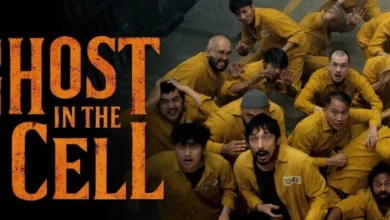
Fantasia International Film Festival Spotlight: A Decade of the Born of Woman Short Film Showcase

Celebrating its tenth anniversary, the Fantasia International Film Festival’s annual Born of Woman short film program continues to serve as a vital platform for genre filmmaking, highlighting exceptional cinematic works irrespective of runtime or the gender of their creators. Despite strides in various sectors of the entertainment industry, systemic gender parity in filmmaking remains an elusive goal rather than an established reality, underscoring the ongoing necessity of dedicated showcases for women directors. The 2026 anniversary iteration featured a curated selection of nine international short films that spanned a diverse array of genres and tonal landscapes, united by high technical and artistic standards.
Background and Context of the Born of Woman Showcase
Founded a decade ago at the Fantasia International Film Festival—one of the world’s leading genre film festivals held annually in Montreal, Quebec—the Born of Woman block was established to address the stark underrepresentation of women directors in horror, science fiction, and fantasy cinema. Industry statistics historically demonstrate that women secure a fraction of directing roles in major motion pictures and genre features compared to their male counterparts. By carving out a permanent, prominent space within the festival’s programming, Born of Woman has spent ten years elevating diverse voices, launching careers, and challenging the commercial bias that often sidelines women in speculative storytelling.
Surrealism and Domestic Tension: Ultraviolence and Angels
The 2026 showcase commenced with Pola Rader’s surreal and perception-bending Ultraviolence Damage. Set within the confines of a single living room, the narrative follows a family watching television as memories, dreams, and nightmares seamlessly bleed into their waking lives, pushing the boundaries of perceived reality. Rader’s film relies on striking visual construction and tight framing to disorient the audience while maintaining a deeply intimate domestic setting.
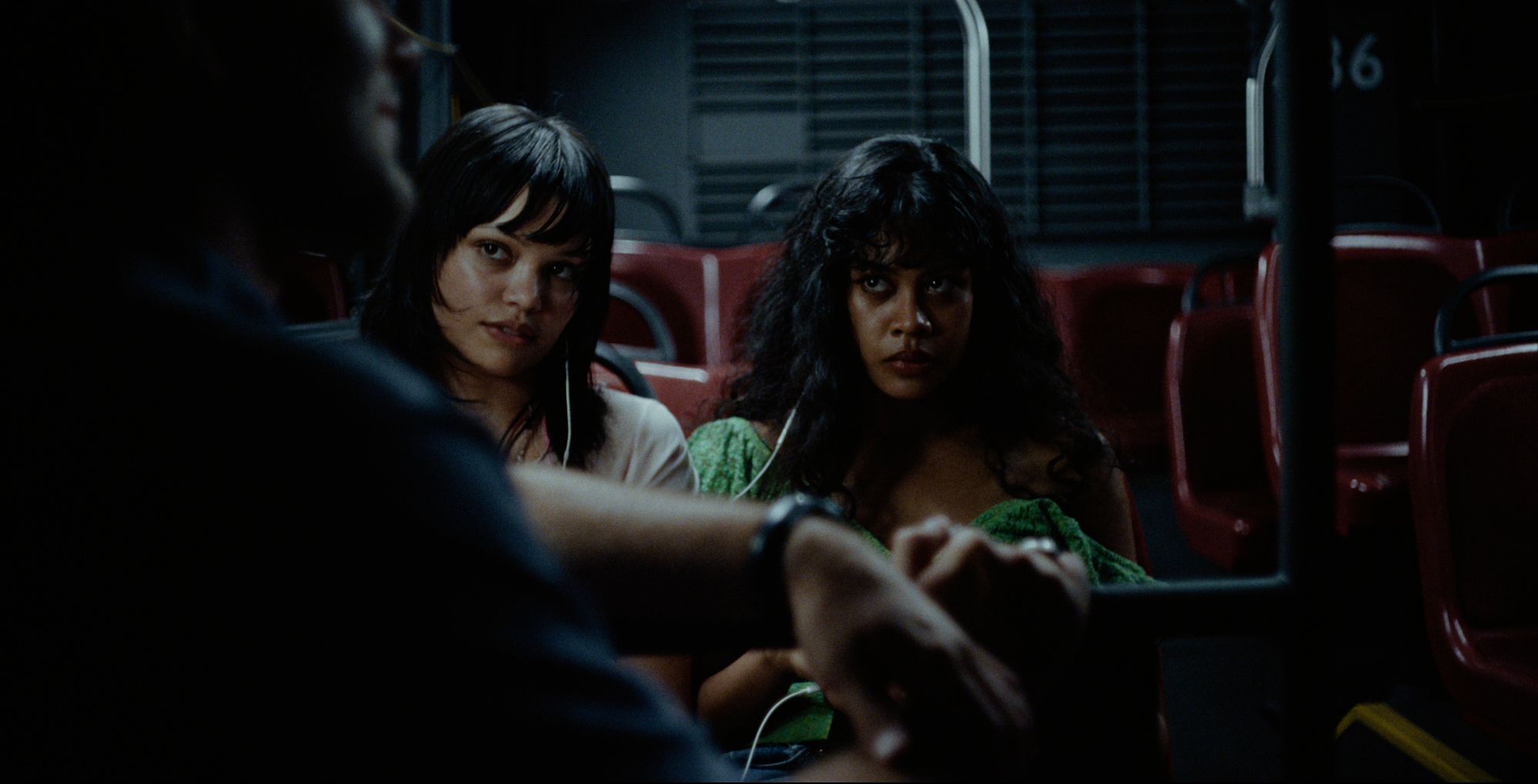
Shifting from the surreal to a grounded, hyper-realistic terror, Sam Mandich’s Angels examines a chilling everyday scenario. The film centers on two teenage girls heading to a night out who encounter a seemingly harmless man on public transit. As the situation escalates, the protagonists realize their initial assessment was dangerously flawed, forcing them to rely on swift decision-making to survive. Mandich infuses the narrative with an oppressive atmosphere of dread and social mistrust, illustrating the quiet vulnerabilities frequently navigated by young women in public spaces.
Intimacy, Dystopia, and Bodily Transformation
Examining modern emotional landscapes, Catharina Schürenberg’s Sam presents a narrative that feels both hyper-specific and universally resonant. The story follows a young university student who supports herself financially as a professional cuddler, all while dealing with the fallout of being ghosted by her romantic partner. Schürenberg balances emotional vulnerability with dark humor, navigating complex themes of intimacy and digital-age alienation without tipping into unrelenting bleakness.
In the realm of science fiction, Ran Jing’s IMPRINT offers a chillingly plausible near-future dystopia. Utilizing stark, sterile cinematography, the short explores a stratified society where the bourgeois purchase genetic enhancements for their offspring, while the physical and economic costs are absorbed entirely by the lower classes. Industry observers frequently compare its sharp thematic critiques to speculative classics like Gattaca, repositioning socio-economic disparity through a biological lens.
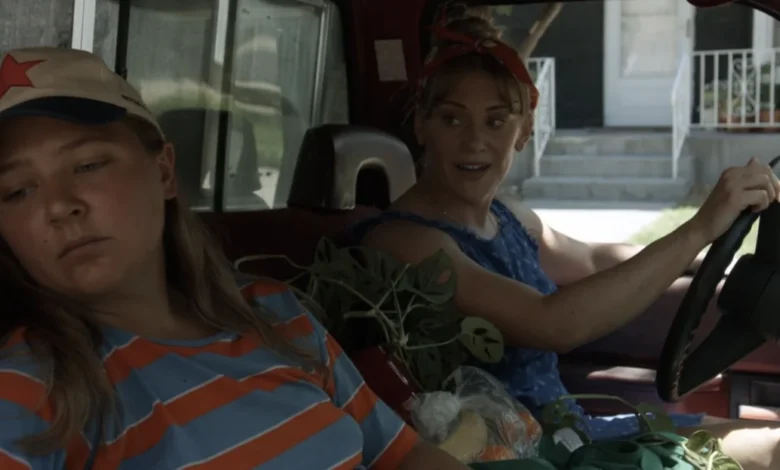
Body horror and adolescent identity intersect in Liv Mershon’s STRANGE EGG. Chronicling a mother and daughter who relocate to a rural farmhouse, the narrative tracks the daughter’s visceral self-discovery, which manifests through bizarre, tactile, and viscous physical transformations. Mershon’s approach to practical effects and bodily fluids embraces uninhibited genre conventions, establishing an assertive tone reminiscent of modern transgressive horror.
Folklore, Trauma, and Mythological Reimagining
Drawing from international mythology, Sapphire Sandalo’s BREEDER introduces audiences to Philippine folklore. The narrative follows a woman attempting to enjoy a quiet evening at home while fending off persistent pressure from her mother to have children. Her solitude is disrupted by the sudden appearance of a tikbalang—a towering mythological creature featuring the skull of a horse and hooves. Sandalo effectively merges modern familial pressures with terrifying folklore, maintaining a playful yet eerie narrative rhythm.
Luciana Malavasi’s THE NEW FLESH adopts a restrained, observational style. The psychological thriller centers on a terrified woman wrapped entirely in plastic sheeting who awakens in an unfamiliar environment alongside an elderly woman serving as her designated caretaker. As the narrative unfolds piece by piece, the film transforms into an exploration of the cyclical nature of trauma and the fragility of human trust, anchored by restrained cinematography and strong central performances.
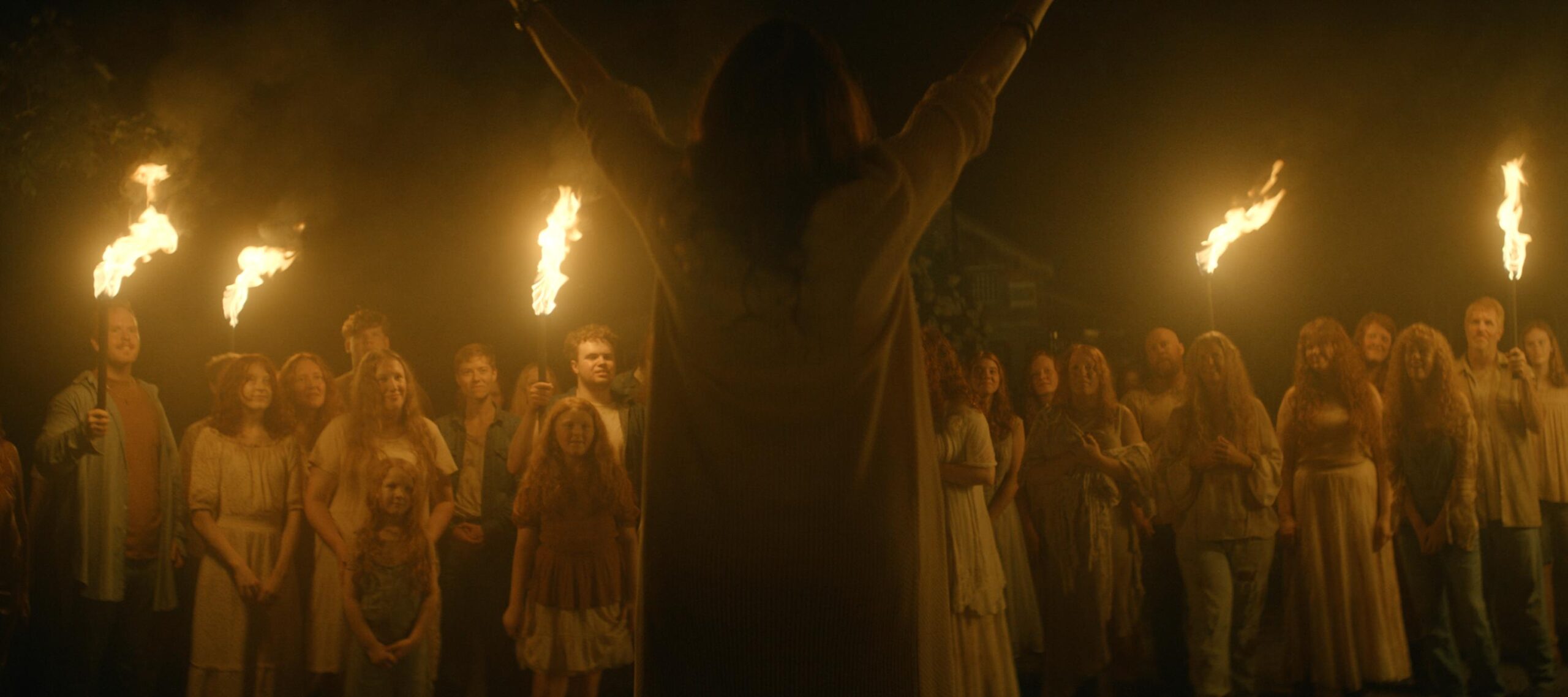
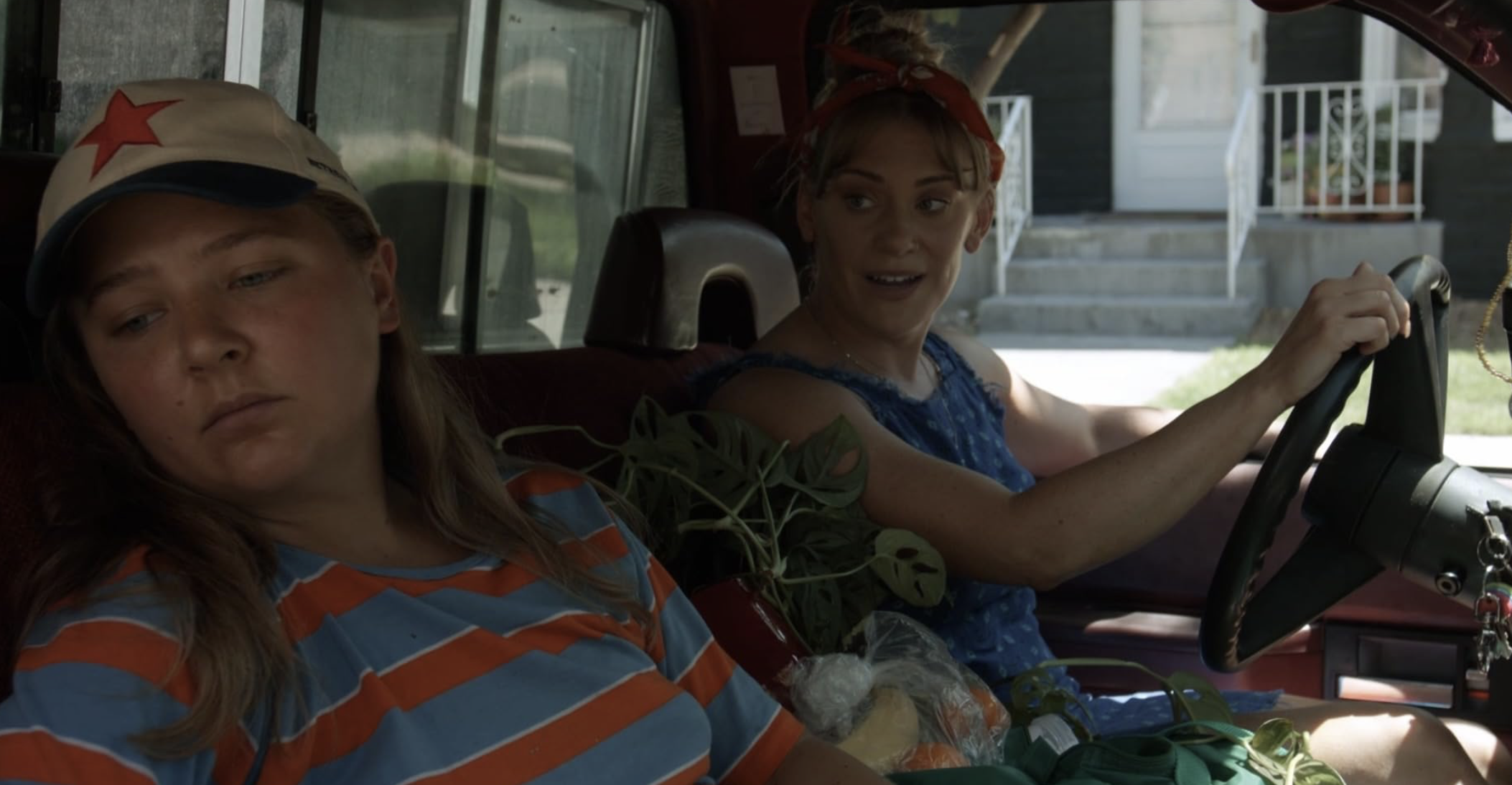
Flipping cultural folklore on its head, Alexandria Basso’s REDNECK leans into the schoolyard taunt that redheads lack souls, transforming the myth into an aggressive survival narrative. Featuring a cast that includes Annalise Basso (The Life of Chuck, Oculus), the film posits that populations of red-haired individuals live in exile, actively hunting brunettes and blondes to harvest their souls. The project serves as a violent, stylistic subversion of traditional cinematic tropes.
Conclusion of the Showcase: FINGERBANG
The 2026 Born of Woman lineup concluded with the animated short FINGERBANG. Directed with an avant-garde sensibility, the film follows a busy woman who encounters a lone, autonomous finger during her daily commute. Striking up an unusual and increasingly surreal dynamic reminiscent of classic character tropes, the animation progresses from whimsical to nightmarish as the human protagonist becomes entirely consumed by the entity.
Broader Industry Impact and Implications
As the Born of Woman showcase completes its tenth year, its continued existence highlights both the progress made by independent women filmmakers and the institutional barriers that still require specialized advocacy. Industry analysts note that festival-circuit platforms like Fantasia play a critical role in pipeline development, often serving as the launching pad for feature-length adaptations and major studio acquisitions. By highlighting technically accomplished and conceptually diverse works across horror, sci-fi, and dark comedy, the program reinforces the commercial and artistic viability of women-led genre cinema, ensuring these narratives remain at the forefront of contemporary film culture.