When a film production packs up its lighting rigs, rolling cameras, and trailers, the cast and crew move on to the next project within a matter of weeks. However, for the residents, local businesses, and municipal entities left behind, the departure of Hollywood often marks the beginning of a decades-long logistical challenge. The phenomenon of "set-tripping" or cinematic tourism has grown exponentially in the age of social media, transforming ordinary suburban houses, urban staircases, and quiet rural fields into permanent pilgrimage sites. While some property owners have successfully monetized this influx of pop-culture curiosity, others find themselves grappling with trespassing, privacy invasions, and the relentless disruption of daily life. Examining these famous backdrops reveals a fascinating intersection between intellectual property, local governance, and the unintended consequences of cinematic success.
The Economics of Cinematic Tourism: Blessing or Curse?
The economic footprint of a blockbuster film can permanently alter a community’s real estate market and local commerce. When Hollywood scouts select a real estate parcel, they typically compensate the homeowner for temporary usage rights, which rarely accounts for the multi-generational influx of tourists that follows a film’s release.
According to tourism and urban development analysts, pop-culture tourism generates billions of dollars annually on a global scale. Cities like Philadelphia and New York routinely factor iconic film sites into their official marketing campaigns. Yet, while municipal tourism boards celebrate the revenue generated by hotels, restaurants, and transit systems, individual property owners often shoulder the administrative and financial burden of crowd management. The juxtaposition between public cultural heritage and private property rights frequently results in friction, forcing local governments to intervene with traffic regulations, police patrols, and zoning adjustments.

Suburban Nightmares: Private Homes Under Siege
Few properties have experienced the double-edged sword of cinematic fame quite like the residential homes featured in classic family and horror films.
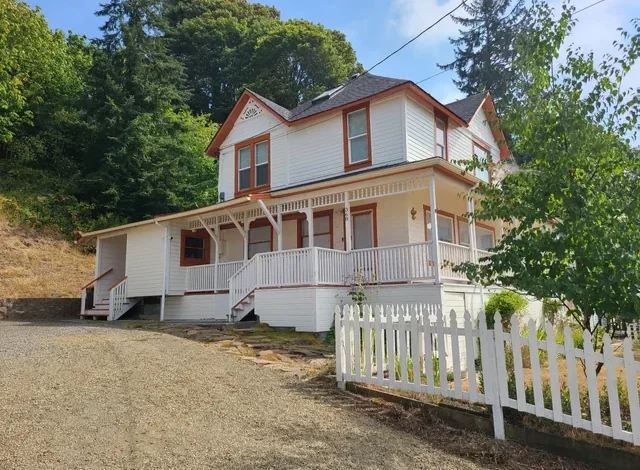
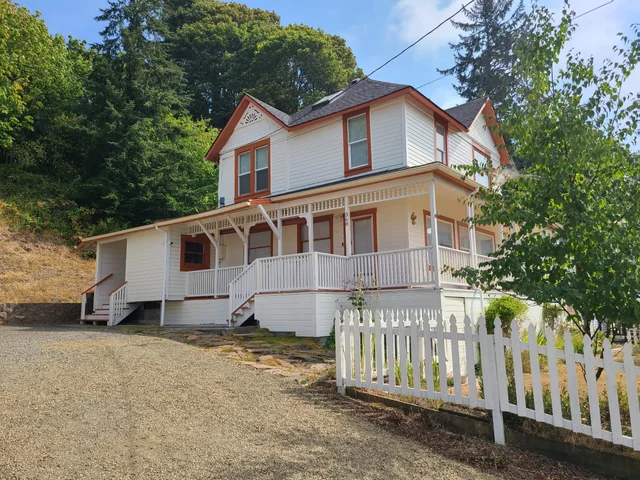
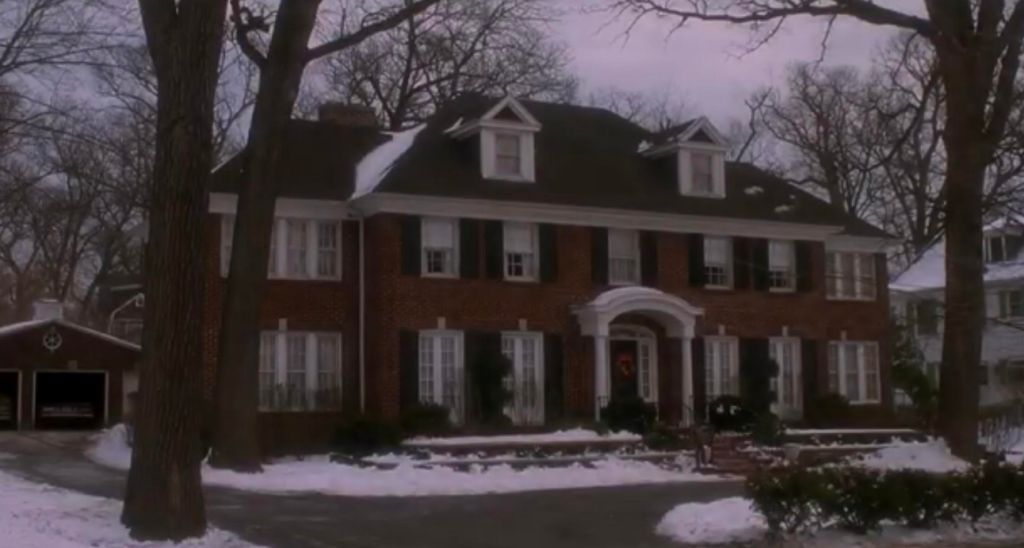
In Astoria, Oregon, the Victorian home featured in Richard Donner’s 1985 adventure comedy The Goonies became an international beacon for fans of the treasure-hunting classic. At the peak of its popularity, local authorities estimated that over 1,000 visitors per day flocked to the residential street. The relentless foot traffic forced successive owners to take drastic measures, including erecting physical barriers, posting explicit "No Trespassing" signs, and eventually covering the house with blue tarps to deter photographers. Similarly, the red-brick Georgian colonial in Winnetka, Illinois, immortalized as the home of Kevin McCallister in 1990’s Home Alone, remains a private residence heavily monitored by security systems. Tourists routinely bypass polite boundaries to recreate the character’s famous sled ride down the front steps or peer through frosted windows.
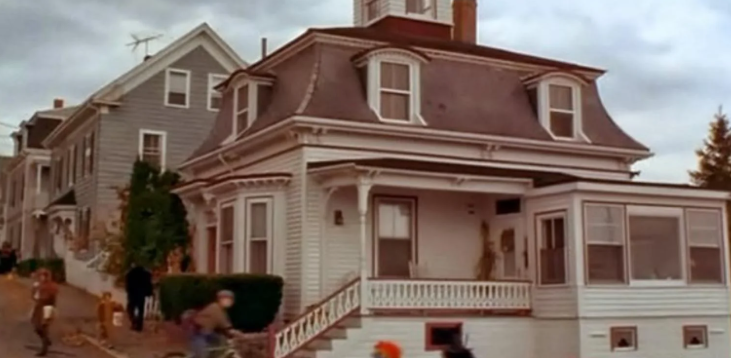
In Salem, Massachusetts—a city already heavily trafficked due to its historic witch trials—the residential home featured in the 1993 Halloween staple Hocus Pocus faces continuous oversight from local historical societies. Because the property is privately owned, municipal visitor bureaus issue stern warnings against entering the curtilage or porch, following years of property degradation, littering, and unauthorized lawn access. A similar fate befell the modest suburban home in Oregon used for Bella Swan’s residence in the 2008 adaptation of Twilight. Rather than erecting defenses, subsequent owners leaned into the phenomenon, painstakingly restoring the interior to match the cinematic aesthetic and converting the property into a high-demand vacation rental, thereby transforming a privacy hazard into a profitable enterprise.
Horror history is similarly fraught with boundary violations. The Dutch Colonial home in Amityville, New York, which inspired the infamous 1979 supernatural thriller The Amityville Horror, endured decades of gawkers driving past at all hours. To reclaim a semblance of normalcy, subsequent owners systematically altered the home’s distinct quarter-round windows and changed the property’s numerical address, effectively disguising the building from casual sightseers.
Public Landmarks and Municipal Infrastructure Strain
While private residences face severe privacy infringements, public infrastructure and urban landmarks encounter a different category of strain: capacity overload and public safety hazards.
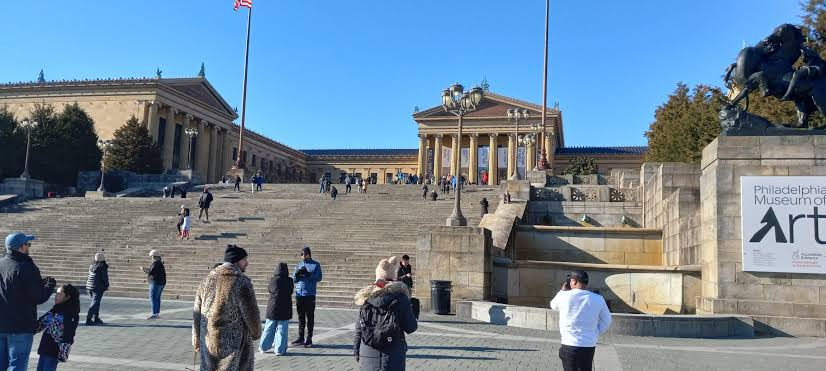
The stone staircase leading to the Philadelphia Museum of Art, globally recognized as the "Rocky Steps" from Sylvester Stallone’s 1976 sports drama Rocky, sees tens of thousands of visitors annually. What began as a brief cinematic sequence has evolved into a formalized civic ritual. Recognizing the economic utility, the city of Philadelphia eventually integrated the site into its official tourism infrastructure, even relocating the bronze Rocky statue near the base of the steps to manage crowd flow safely.
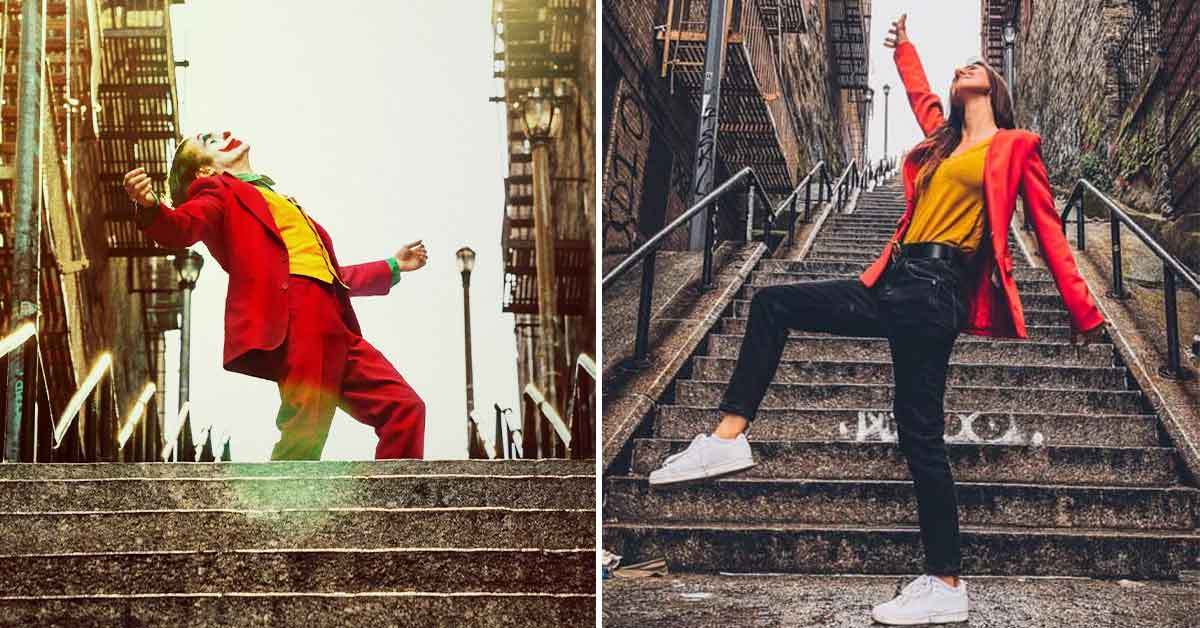
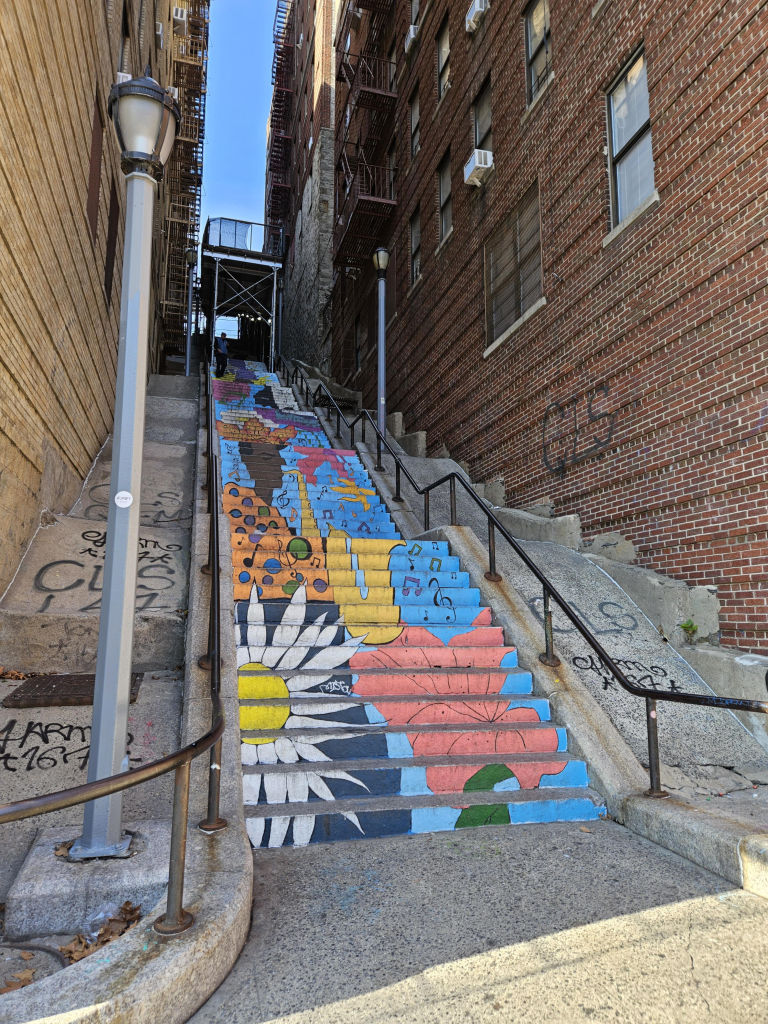
Conversely, urban interventions can yield unintended public friction. Following the 2019 release of Todd Phillips’ psychological thriller Joker, an ordinary set of steep outdoor steps connecting Shakespeare and Anderson avenues in the Highbridge neighborhood of the Bronx became an overnight viral phenomenon. Tourists flooded the residential corridor to recreate Joaquin Phoenix’s eccentric descent, blocking commuters, staging impromptu photo shoots, and disrupting the daily routines of local residents who rely on the staircase for transit. Local business owners and politicians voiced frustration over the sudden transformation of a utilitarian municipal walkway into a disorganized tourist trap devoid of basic visitor amenities.
Transportation hubs are not immune to these pressures. King’s Cross Station in London became the epicenter of a logistical puzzle following the cinematic adaptation of J.K. Rowling’s Harry Potter series. Fans persistently searched for the fictional Platform 9¾. Rather than attempting to block the pilgrimage, station management capitalized on the foot traffic, installing a permanent, organized photo-op complete with a half-submerged luggage cart embedded in the brick wall, thereby converting an operational transit bottleneck into a controlled retail and tourism asset.
Preservation versus Monetization in Rural and Commercial Settings
When film sets occupy expansive rural land or commercial establishments, the trajectory of post-filming management often diverges into structured preservation projects.
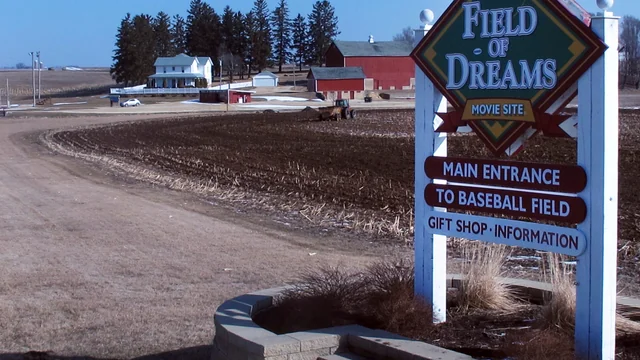
The idyllic Dyersville, Iowa, farm utilized for Phil Alden Robinson’s 1989 baseball fantasy Field of Dreams represents one of the most successful integration models in cinematic history. Instead of bulldozing the baseball diamond after principal photography concluded, the property owners preserved the field. Over subsequent decades, the site evolved into a fully operational tourist attraction, complete with interactive baseball games, guided tours, and annual league tournaments that inject steady revenue into the local rural economy.
Similarly, the rolling green pastures of Matamata, New Zealand, which doubled as Hobbiton in Peter Jackson’s The Lord of the Rings and The Hobbit trilogies, underwent a dramatic structural evolution. Initially dismantled after production on the first trilogy wrapped, the set was subsequently reconstructed using permanent, weather-resistant materials ahead of prequel production. Today, Hobbiton operates as a heavily coordinated agritourism venture, welcoming millions of international visitors while maintaining the ecological and agricultural integrity of the working sheep farm on which it sits.
Commercial enterprises face distinct pressures when immortalized on celluloid. Katz’s Delicatessen in Manhattan has operated continuously since 1888, but its cultural legacy was permanently cemented by the 1989 romantic comedy When Harry Met Sally…, specifically the famous scene executed by Meg Ryan and Billy Crystal. Tourists routinely crowd the dining room to locate and sit at the exact table marked by a suspended overhead sign, requiring waitstaff to navigate heavy foot traffic alongside regular lunch patrons. Similarly, the Hook and Ladder Company 8 firehouse in Tribeca, utilized as the exterior headquarters in 1984’s Ghostbusters, remains an active, fully functioning New York City Fire Department station while simultaneously serving as an un офіційний shrine, complete with custom department logos and fan memorials.
Broader Implications and Future Outlook
The enduring friction between cinematic art and geographical reality underscores a shifting cultural paradigm. As digital platforms and streaming services accelerate the lifespan and global reach of classic films, the physical locations tied to these narratives will continue to face unprecedented attention.
Urban planners, historic preservationists, and legal scholars increasingly view location management as a vital component of public policy. Zoning laws, intellectual property frameworks, and community outreach programs are being rewritten to address the modern realities of set-tripping. For property owners and municipalities alike, the lesson of cinematic longevity is clear: whether through aggressive defensive privatization, as seen in residential neighborhoods, or structured commercial integration, as demonstrated by managed historical sites, the ghost of Hollywood production leaves a permanent footprint that requires proactive, long-term administration.