The challenge of delivering a compelling dinosaur-centric film, a cinematic hurdle that has seen numerous high-profile productions falter in the past three decades, is at the forefront of anticipation for David Robert Mitchell’s latest offering, The End of Oak Street. Set to premiere on August 14th, the film, from Warner Bros., is aiming to break the trend of live-action dinosaur features struggling to capture the magic that Steven Spielberg’s Jurassic Park franchise has so consistently achieved. Mitchell, known for his critically acclaimed work on Under the Silver Lake and It Follows, revealed a lifelong passion for prehistoric creatures, citing a diverse range of influences that extend beyond the Spielbergian behemoth.
"I grew up loving so many different kinds of dinosaur movies," Mitchell shared during a recent press preview event in Los Angeles. "Like, of course, Jurassic Park. But I also watched all the [Ray] Harryhausen movies with my dad." He specifically referenced classics such as the original King Kong (1933), the silent epic The Lost World (1925), and the thrilling adventure The Valley of Gwangi (1971) as foundational to his cinematic upbringing and his approach to The End of Oak Street. These inspirations suggest a filmmaker deeply rooted in the historical tapestry of monster movies and creature features, aiming to blend awe with terror.
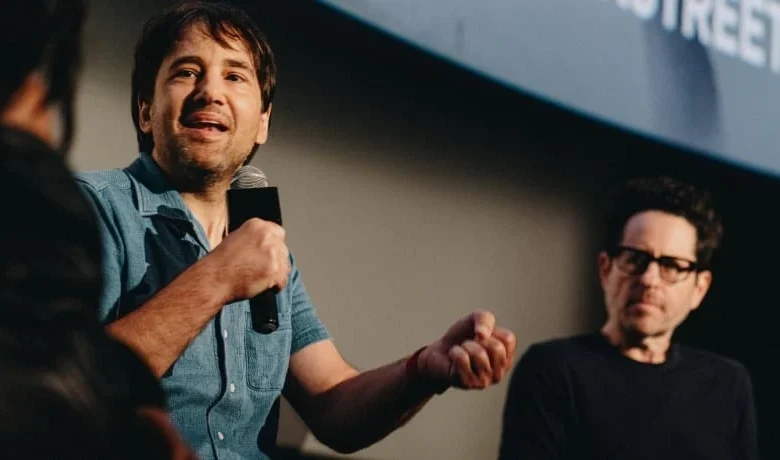
The preview event, hosted by Warner Bros., offered members of the press a firsthand glimpse into the film’s unfolding narrative. The occasion also provided a platform for a Q&A session with Mitchell and producer J.J. Abrams, a collaboration that signals a significant investment in the project’s creative vision. Abrams, a seasoned storyteller himself, known for his work on the Star Trek reboot series and Star Wars: The Force Awakens, brings a wealth of experience in crafting blockbusters with emotional resonance.
A Glimpse into Suburban Prehistoric Pandemonium
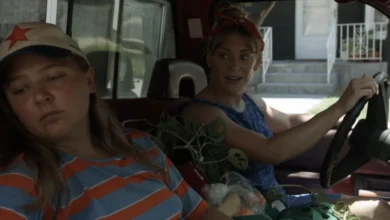
The screened scene appears to be set early in the film’s timeline, depicting the central family grappling with the immediate aftermath of a catastrophic storm. The domestic tranquility is shattered not only by the loss of power and water but by a far more primal and unexpected threat. The family, portrayed by a cast including Anne Hathaway, Ewan McGregor, Maisy Stella, and Christian Convery, embarks on a search for their dog, Starbuck, and to check on an elderly neighbor. This seemingly routine act of neighborly concern quickly devolves into chaos. The dog is missing, the neighbor is discovered deceased in a gruesome manner, and the suburban landscape transforms into a scene of prehistoric pandemonium. The visual spectacle hinted at in this early sequence suggests a jarring juxtaposition of the mundane and the extraordinary, a hallmark of effective horror and creature features.
When questioned about the strategic choice of this particular scene for the preview, Mitchell emphasized its ability to encapsulate the film’s core elements. "I think it’s a good sample of the suspense, mystery, and some of the humor of the movie," he stated. This assertion points towards a film that aims to balance genuine scares with moments of levity, a delicate act that can elevate a genre film from mere spectacle to a more nuanced and engaging experience. The inclusion of humor, especially in the face of overwhelming danger, can serve to humanize characters and make their plight more relatable, while also providing a release valve for audience tension.
Thematic Depth: Nightmares, Secrets, and Human Connection
Beyond the immediate thrill of dinosaur encounters, Mitchell and Abrams delved into the deeper thematic underpinnings of The End of Oak Street. The discussion explored the nature of nightmares and the critical importance of human connection in narratives that feature colossal prehistoric beasts. Abrams highlighted the film’s focus on the internal lives of its characters, noting that "Each of the characters has a secret." This revelation suggests a layered narrative where personal dramas unfold against the backdrop of existential threat, adding a layer of complexity that can resonate with audiences on a more profound level.
"But they’re a family that you’re so connected [to], you’re so root[ing] for, [that you] believe in," Abrams continued, underscoring the importance of emotional investment in the family unit. This focus on character development and audience empathy is crucial, especially in a genre often criticized for prioritizing creature effects over compelling human stories. By grounding the extraordinary events in relatable human experiences and emotional stakes, The End of Oak Street aims to create a more impactful and memorable cinematic experience. The success of such films often hinges on the audience’s ability to care about the characters’ survival, making their interactions and internal struggles as compelling as the external threats they face.
Unforeseen Influences: Beyond Jurassic Park
While Jurassic Park has long been the benchmark for dinosaur cinema, surprisingly, it was Tobe Hooper’s classic haunted house film, Poltergeist (1982), that emerged as a more significant touchstone for the filmmakers during discussions about The End of Oak Street. Abrams elaborated on this unexpected comparison, stating, "There was something about Poltergeist that you always felt was big-hearted even though it was really scary." He further connected this sentiment to the footage shown, asserting, "We see [that] in this footage. It really, it brings the chills and the thrills, but it’s not a sadistic movie. It’s got a big heart at its core."
This comparison to Poltergeist is telling. The 1982 film masterfully blended suburban normalcy with supernatural terror, creating a sense of uncanny dread that permeated familiar surroundings. The idea of a beloved home becoming a site of horror, coupled with the disruption of family life, mirrors the potential thematic territory of The End of Oak Street. The "big heart" Abrams refers to likely speaks to the film’s focus on family dynamics and the emotional core that anchors the fantastical elements. The trailers themselves have offered glimpses of this, with humorous quips about family members taking each other to task even amidst an apocalypse, suggesting an ability to find moments of connection and levity even in the direst circumstances.
The Inescapable Suburbia: A Recurring Theme
Mitchell’s career has frequently explored themes of inescapable dread and existential confinement. This inclination naturally led him to a narrative centered on a family trapped in their suburban neighborhood, now overrun by prehistoric creatures. The premise suggests a nightmarish scenario where familiar surroundings become a cage, with every escape route seemingly blocked by impassable natural barriers—cliffs, dense foliage, and the very creatures that now inhabit their world.
"Things we can’t outrun are at the core of our, of our nightmares, ultimately," Mitchell explained. "These dinosaurs enter into the world of the family and intersect and interact in many different ways." This statement hints at a more nuanced approach to the dinosaur threat than simply a predatory chase. The mention of varied interactions, especially when coupled with the earlier tease of family secrets, suggests that the dinosaurs might serve as a catalyst for exploring the characters’ internal conflicts, or perhaps that their presence triggers unforeseen consequences beyond immediate danger.
A curious observation from the preview and trailers is the apparent absence of herbivores. While this might be a deliberate marketing choice to emphasize the horror aspect of The End of Oak Street, the filmmaker’s comment about non-predatory interactions opens the door for intriguing possibilities. Could the film explore the ecological impact of these creatures, or perhaps focus on their behavior in ways that extend beyond being a direct threat to the family? The juxtaposition of this with the idea that each family member harbors secrets adds another layer of mystery. It raises questions about whether the dinosaurs’ presence might expose these hidden truths or if the family’s own internal dynamics will be as crucial to their survival as their ability to evade the prehistoric predators.
A Masterclass in Balancing Chaos and Care
J.J. Abrams lauded Mitchell’s directorial prowess, describing his ability to manage the film’s complex narrative as "masterful." He elaborated on the intentionality behind the filmmaking, stating, "There was just so much that was going on that was so intentional. The thing that makes you care is you’re really, you’re really tracking all these different characters despite the madness of it." Abrams pointed out that even in moments that appear to be straightforward chase sequences, there is a deeper undercurrent of narrative development at play. "You might think, ‘Oh, this is a sequence where the dinosaurs persevered, you know, being chased,’ but there’s so much more going on and all of it is intentional and setting up things for later," he added. This suggests a meticulously crafted story that rewards close attention and promises a payoff for the invested viewer.
The production of The End of Oak Street represents a significant undertaking, aiming to revitalize a genre that has proven notoriously difficult to master. The strategic decision to lean into the thematic richness of nightmares, family secrets, and the unsettling disruption of suburban life, all while incorporating the awe-inspiring spectacle of dinosaurs, positions the film as a potentially groundbreaking entry in the genre. The filmmakers’ acknowledgment of diverse influences, from classic monster movies to the psychological horror of Poltergeist, signals an ambition to craft a film that is not only thrilling but also emotionally resonant and thematically layered. As August 14th approaches, audiences will soon discover if David Robert Mitchell and his team have indeed succeeded in taming the cinematic dragon and delivering a dinosaur film for the ages.
The inclusion of a YouTube embed showcasing a trailer for The End of Oak Street further enhances the promotional campaign, offering potential viewers a direct visual taste of the film’s tone and scope. The accompanying image, credited to Flannery Underwood and courtesy of Warner Bros., provides a visual anchor, likely depicting a key scene or thematic element from the movie. The release date, August 14th, has been prominently featured, marking a crucial date for cinephiles anticipating this ambitious project.