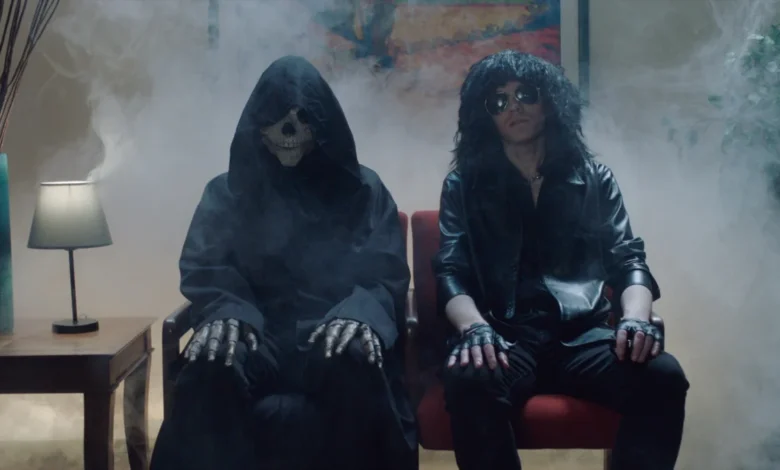
The landscape of independent cinema is frequently defined by the ability of filmmakers to synthesize disparate genres into a cohesive, high-concept narrative. A prime example of this trend is the recent project titled Wrathbone, a multifaceted horror-comedy that serves as both a musical odyssey and a satirical examination of the excess associated with 1970s and 1980s rock stardom. Premiering at the highly regarded Panic Fest, the film represents the latest evolution of a character originally developed in a long-running online sketch series, now expanded into a supernatural, feature-adjacent experience.
The Evolution of a Cult Character
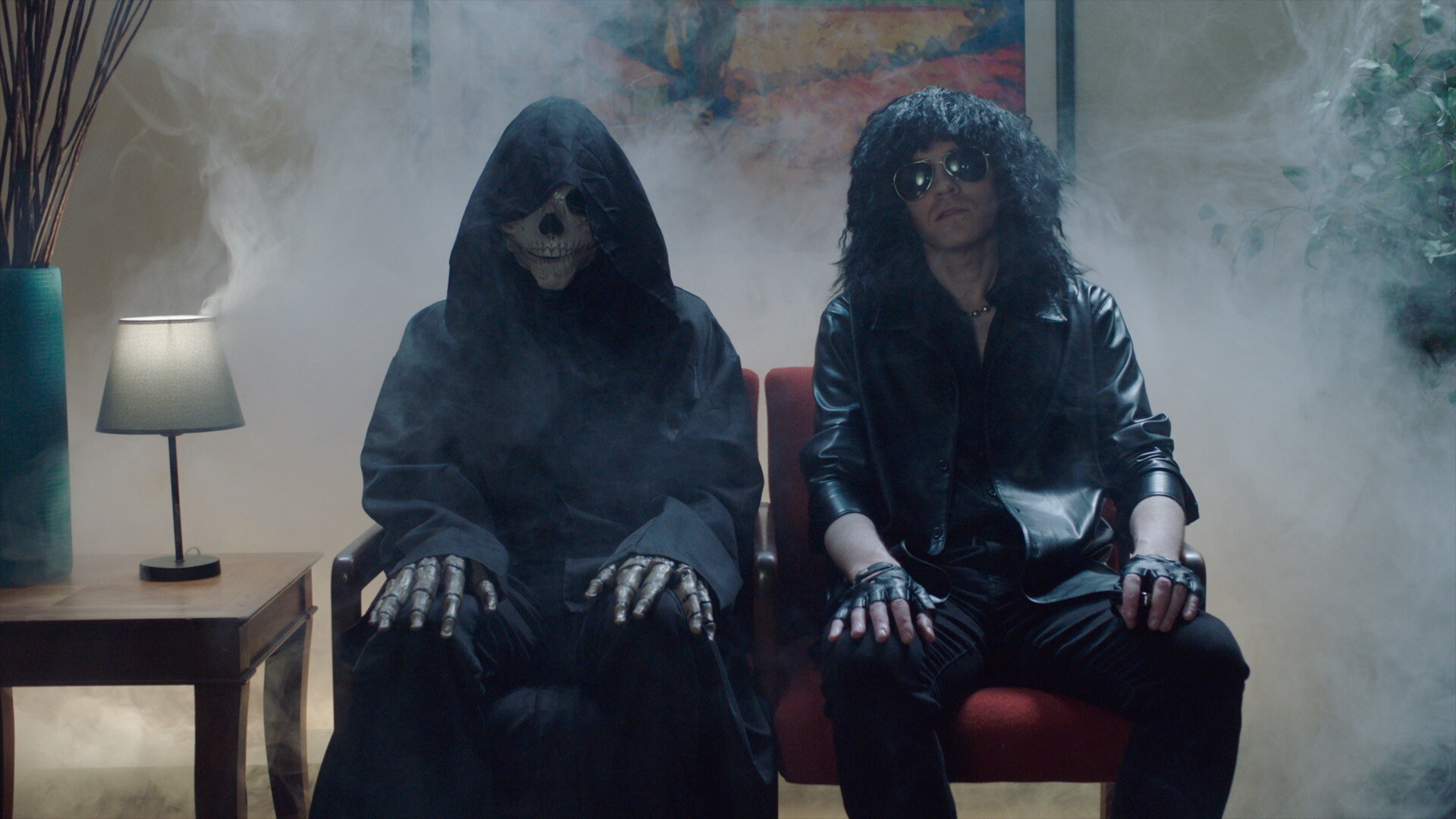
The protagonist of the film, Nigel Wrathbone, is not a new creation; rather, he is a character with a 14-year history. Initially conceived for short-form YouTube sketch comedy videos, the character served as a vehicle for the director’s interest in the archetypes of fame. The transition from a static YouTube persona to the centerpiece of a narrative film involved a deliberate pivot into the supernatural. By blending the aesthetic of a VH1 Behind the Music-style documentary with the tropes of horror, the creative team sought to capture the "Greek tragedy" arc inherent in the rise, fall, and occasional redemption of legendary musicians.
The development of this project required a shift in the director’s creative process, as it necessitated moving beyond traditional scriptwriting to incorporate original songwriting and music production. By framing the project as a "cursed" documentary—a piece of media unearthed from a basement—the film utilizes a found-footage aesthetic to ground its supernatural elements in a realistic, albeit tragic, rock-and-roll historical context.
Panic Fest and the Digital Reception
Panic Fest, an annual genre film festival known for its commitment to horror, thriller, and sci-fi cinema, provided the platform for the premiere of Wrathbone. The festival, which has built a reputation for fostering independent voices, offered a critical testing ground for the film’s unconventional structure. Despite the constraints of a digital-only premiere, the response from the festival audience was measurable and positive.
Data regarding independent film premieres suggests that digital festivals have become essential conduits for niche creators, allowing for immediate feedback loops via platforms such as Letterboxd. For the filmmakers behind Wrathbone, the digital reception served as a validation of their hybrid approach. The festival’s programming team has consistently prioritized films that push boundaries, and the inclusion of a project that melds mockumentary with horror elements aligns with the current industry appetite for cross-genre experimentation.
Production Constraints and Creative Methodology
The production of Wrathbone was defined by a need for efficiency and a "scrappy" approach to independent filmmaking. The shoot was condensed into nine days spread over a three-month period, a timeline that necessitated high levels of coordination. The director, who also performed as the lead actor in two separate roles, faced the dual burden of performance and technical oversight.
Key production challenges included:
- Musical Composition: The creation of five original songs, requiring the production of a full discography to establish the band’s "musical identity" prior to the filming of the narrative.
- Visual Continuity: Maintaining the aesthetic of different time periods, ranging from the 70s to the 90s, within a limited budgetary framework.
- Collaborative Logistics: Coordinating a cast and crew to execute concert sequences, multiple music videos, and complex practical effects within a nine-day shooting window.
The decision to write the soundtrack before the screenplay is a notable deviation from standard film production workflows. By developing the music as the foundation of the story, the team ensured that the narrative beats were inextricably linked to the musical themes of the band, providing a level of internal consistency that often elevates high-concept genre films.
Influences and Cinematic Context
The creative DNA of Wrathbone is rooted in a specific era of pop culture. The director cites 1990s staples such as Beetlejuice, Gremlins, and The Monster Squad as primary influences. These films are characterized by their commitment to "absurdist premises," where the characters operate within a heightened reality that the audience is expected to take seriously.
Industry analysts have described this as a "sweet spot" in genre filmmaking, where the friction between a ridiculous premise and a serious, grounded execution creates the most effective comedy. Comparisons to films like This is Spinal Tap and Bill & Ted’s Bogus Journey underscore the film’s thematic intent: to serve as both a homage to rock culture and a cautionary, supernatural tale.
Implications for Independent Filmmaking
The success of projects like Wrathbone highlights a growing trend in the independent sector: the leveraging of personal digital brands and "scrappy" production methods to circumvent traditional studio gatekeeping. By utilizing existing YouTube fanbases and a clear, focused creative vision, independent creators are increasingly able to produce feature-length works that retain their unique, auteur-driven characteristics.
The advice offered by the production team to aspiring filmmakers emphasizes this autonomy: "Don’t wait for permission." The industry is currently witnessing a transition where the ability to self-fund or find niche, high-engagement collaborators is prioritized over waiting for traditional commercial greenlights. This shift suggests that the future of genre cinema may rely more on "obsessive" projects—films born from a specific, singular passion—rather than projects designed solely for broad market appeal.
Future Developments and Expansion
With the successful premiere of the short-form project, the creative team has already begun drafting the next phase of the property. Development is currently underway for a feature-length sequel, tentatively titled Wrathbone Rising. This project is intended to further the absurdity of the original characters, signaling a long-term commitment to the franchise’s world-building.
Additionally, the director’s plans include the adaptation of previous works, such as the 2017 short film Blood Oranges, into a full-length feature. These developments indicate that the filmmaker is leveraging the momentum of the current project to build a slate of interconnected or thematic works.
Conclusion: The Value of the "Love Letter"
Wrathbone stands as a testament to the power of genre-blending and the importance of creative collaboration. By treating their fictional band with the same reverence as a historical subject, the creators have managed to build an immersive experience that resonates with fans of horror, music, and mockumentary alike.
As the independent film market continues to evolve, the impact of projects like Wrathbone will be found in their ability to balance high-concept ambition with the constraints of independent resources. The focus remains on "making the version you can make with the resources you have," a mantra that serves as a cornerstone for modern indie filmmakers navigating the complex landscape of digital distribution and audience engagement. Whether through the lens of a "cursed" documentary or the absurdity of a rock star’s downfall, the film remains a clear example of how passion and creative rigor can transform a niche idea into a resonant, multi-dimensional project.
Related posts: