The Neurobiology of the Unknown: Why Your Brain Craves the Same Rush from Horror Movies and High-Stakes Gambling

The physiological reaction to a high-stakes poker hand and a jump scare in a horror film is remarkably uniform. Both experiences trigger a cascade of neurochemical responses—a racing pulse, diaphoresis, and a complex mixture of dread and exhilaration—that the human brain processes through an identical evolutionary pathway. Recent interdisciplinary research suggests that the brain struggles to differentiate between the adrenaline-fueled tension of a cinematic threat and the financial risk of a wager. This convergence of fear and fortune, both predicated on the uncertainty of outcome, highlights a profound truth about human psychology: we are biologically hardwired to seek out and engage with the unknown.
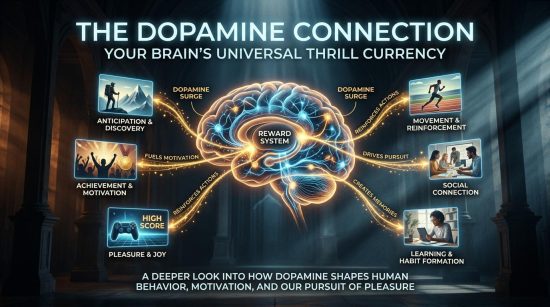
The Dopamine Connection: The Universal Currency of Thrill
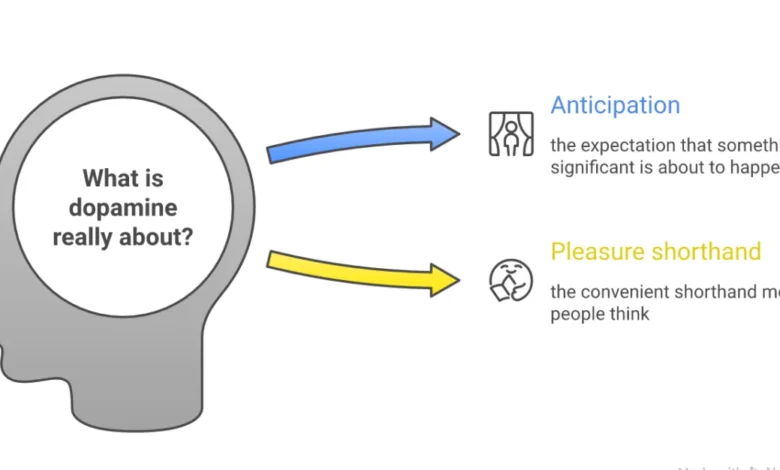
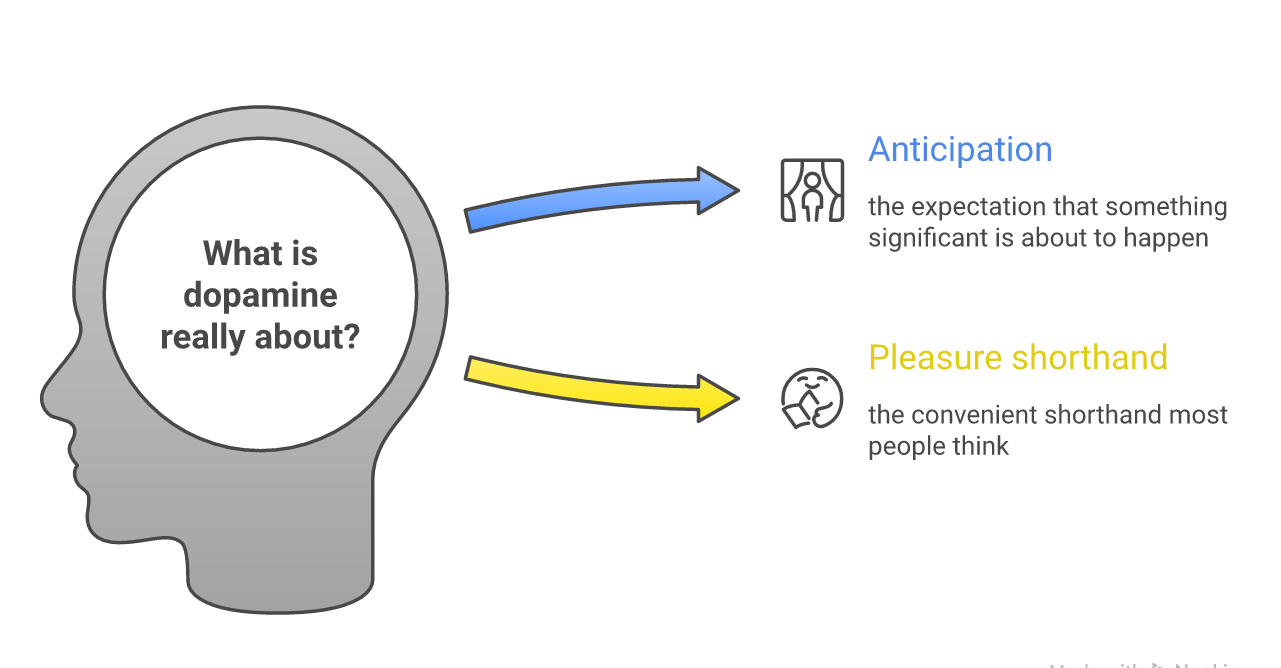
Common parlance often identifies dopamine exclusively as a "pleasure chemical," yet neuroscientists argue that this is a reductionist view. In the context of modern cognitive research, dopamine is more accurately categorized as a chemical of anticipation—a signaling molecule that tracks the expectation of significant events. Data from the Centre for Brain Health indicates that dopamine production spikes most aggressively when rewards are probabilistic rather than guaranteed. This phenomenon, known as variable reward scheduling, explains why the mere act of placing a bet initiates a neurochemical response, regardless of the final outcome.
The mechanism of horror functions on an eerily parallel trajectory. When a viewer watches a character navigate a dark, silent hallway, the brain enters a state of heightened vigilance. The lack of temporal precision—not knowing whether a "jump scare" will occur in one second, five seconds, or at all—forces the brain to release dopamine to sustain focus. According to researchers at Kennesaw State University, this "pleasurable fear" is a sought-after experience because the dopamine release provides a reinforcing feedback loop. Whether one is spinning a roulette wheel or waiting for a monster to emerge from the shadows, the brain is executing a program designed to maximize attention during periods of extreme uncertainty.
Chronology of Neuro-Entertainment Convergence
The evolution of modern entertainment has increasingly relied on the engineering of these neurochemical loops. The following timeline tracks the shift toward high-arousal design:
- 2022-2024: The rise of "gamified" entertainment. Digital platforms begin integrating loot boxes and randomized rewards into non-gambling video games, normalizing the dopamine-driven anticipation loop among younger demographics.
- Early 2025: Regulatory bodies begin identifying a pattern of "near-miss" engineering in both online casino software and immersive horror-themed digital experiences, noting that the psychological effect of a near-loss is nearly identical to a marginal gain.
- May 2026: A wave of international legislative reforms, particularly in Central and Eastern Europe, mandates strict limitations on credit-based gambling. Regulators officially acknowledge the link between neurochemical arousal and impulsive decision-making, shifting the focus of consumer protection toward behavioral markers of harm.
- Late 2026: AI-driven risk detection becomes a standard requirement for licensed gaming operators. These tools are designed to identify the exact moments when a player’s prefrontal cortex—the area responsible for rational thought—becomes suppressed by the emotional and reward-seeking centers of the brain.
The Prefrontal Cortex and the Suppression of Risk
A 2026 analysis by Chapter One into the neurobiology of gaming behavior highlights the suppression of the prefrontal cortex during periods of high-stakes play. When an individual engages in gambling, the brain’s analytical centers are frequently muted by the emotional intensity of the reward circuit. This allows for a focus on possibility rather than probability.
Horror cinema mirrors this process. In the presence of a perceived threat, the amygdala—the brain’s emotional command center—takes primary control, while the analytical functions of the prefrontal cortex recede. This is why horror audiences often find themselves unable to logically "reason" their way out of feeling terrified, even when they are aware that the stimulus is fictional. In both scenarios, the body enters a state of high arousal where rational risk assessment is subordinated to immediate instinctual response.
Near-Misses and the Architecture of Suspense
A critical component of this shared psychological architecture is the "near-miss." In the gambling industry, a near-miss occurs when a player comes close to a win—such as two matching symbols on a slot machine. Psychiatrists and neuropsychologists have long argued that the brain processes a near-miss as a "near-win," which serves as a potent motivator to continue the behavior.
The horror genre utilizes an identical technique: the false scare. When a character opens a closet to find nothing, or when a loud noise is revealed to be a cat rather than an assailant, the audience experiences a momentary spike in tension followed by a release. This build-and-release cycle keeps the audience engaged, ensuring that the dopamine system remains primed. By withholding the full "payoff"—the actual scare or the win—the designers ensure the consumer remains in a state of perpetual anticipation.
Neurochemical Profiles: Beyond Dopamine
While dopamine receives the most attention, it does not act in isolation. The sympathetic nervous system’s fight-or-flight response, driven by norepinephrine and cortisol, is central to both experiences. When a person engages with horror or gambling, these stress hormones flood the system, creating a physical state of heightened arousal.
The following table summarizes the neurochemical and physiological parallels identified in 2026 research:
| Feature | Gambling Experience | Horror Experience |
|---|---|---|
| Primary Trigger | Uncertain financial outcome | Uncertain threat/scare timing |
| Key Neurotransmitter | Dopamine (anticipation) | Dopamine (arousal) |
| Engagement Tool | Near-miss reinforcement | False scare/tension build |
| Cognitive Effect | Reduced risk evaluation | Reduced rational analysis |
| Physical Response | Elevated heart rate, diaphoresis | Elevated heart rate, diaphoresis |
Regulatory Responses and Industry Implications
The realization that entertainment products are effectively "hijacking" biological reward systems has spurred significant regulatory intervention. As of May 2026, many jurisdictions have moved to prohibit the use of credit for online gambling, citing the danger of impulsive, chemically driven decision-making.
Expert guides from firms such as CMS suggest that the industry is at a crossroads. As companies move toward more sophisticated, AI-enhanced engagement models, the burden of protection falls on both the operator and the regulator. The push for "default infrastructure"—such as mandatory, real-time risk detection tools—reflects a growing consensus that the same neurochemistry that makes these activities thrilling also makes them fundamentally risky for vulnerable populations.
Analyzing the Broader Impact
The implications of this neurobiological overlap are significant for how we consume digital media. For the individual, recognizing the "dopamine loop" is a vital tool for maintaining autonomy. When a player identifies that their compulsion to continue a session is rooted in biological anticipation rather than rational desire, they can exercise better control over their behavior.
For the horror fan, the stakes are typically lower, yet the principle of understanding one’s own triggers remains relevant. Recognizing that the racing heart and the sweaty palms are products of ancient "software" helps deconstruct the fear, allowing the viewer to enjoy the cinematic craft without being entirely subsumed by the artificial tension.
In conclusion, while there is no singular clinical study that creates a definitive bridge between all aspects of gambling and horror, the converging evidence from academic, clinical, and regulatory fields is compelling. The human brain, evolved for a world of immediate, high-stakes survival, has repurposed its most powerful mechanisms for the modern age of digital entertainment. Whether one is navigating a dark cinema or a high-stakes online room, the reality is the same: we are all participating in a sophisticated game of biological manipulation. Understanding this, as the data suggests, is the most effective way to navigate the thrill without losing the edge of rational control.
Related posts: