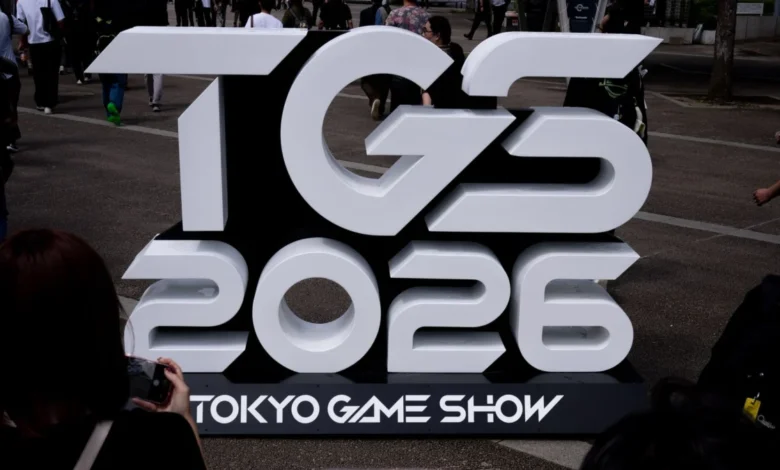
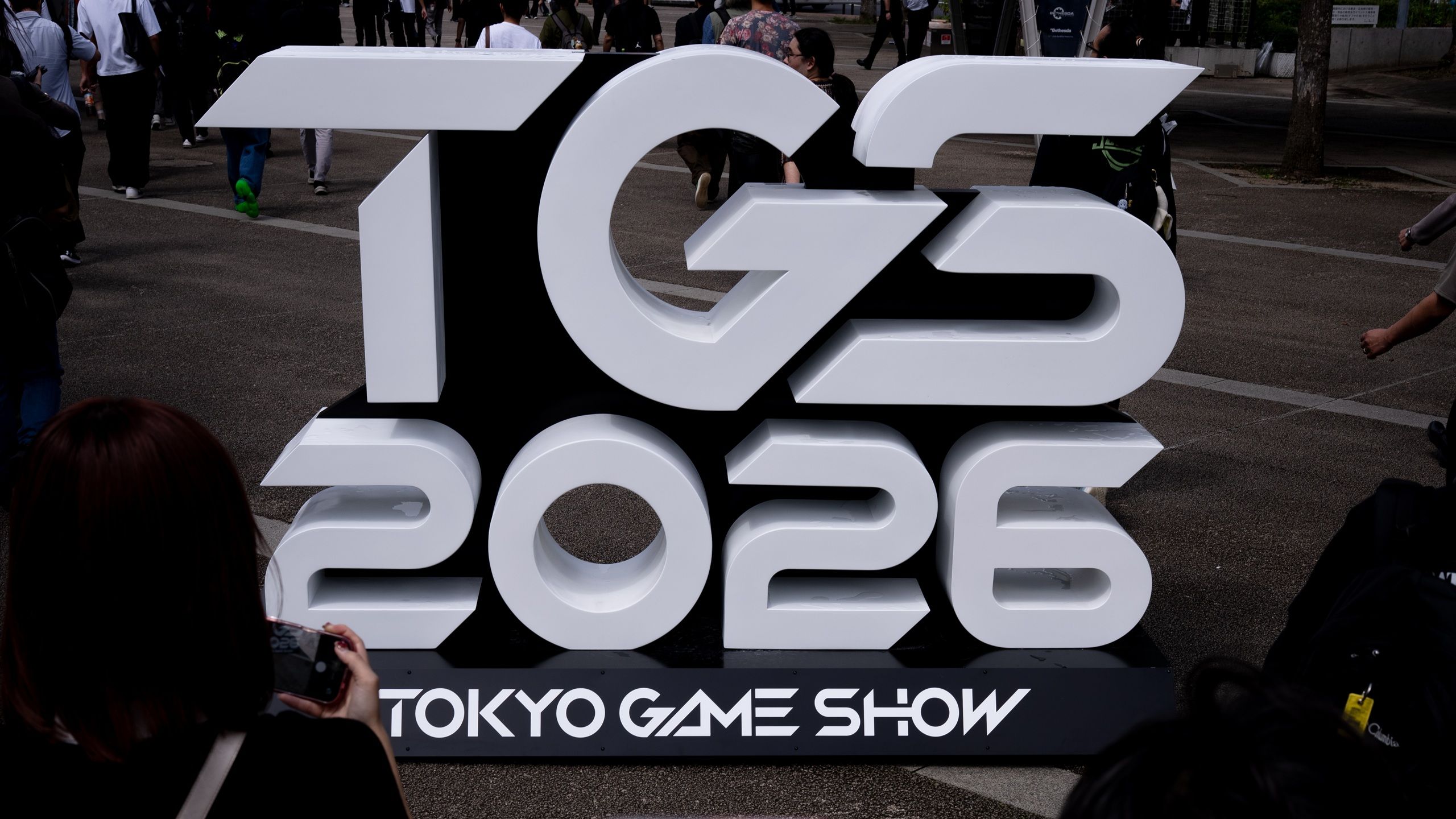
The Tokyo Game Show (TGS), one of the most prestigious and long-standing fixtures in the global gaming industry calendar, has been forced to cancel its final day of programming. Originally scheduled to conclude on Monday, September 21, 2026, the organizers announced a total cessation of activities for that day due to the imminent arrival of Typhoon Dujuan. This unprecedented disruption marks a somber end to what was intended to be a milestone celebration: the first-ever five-day expansion in the event’s 30-year history.
The decision was disseminated via official communication channels, including the event’s primary social media presence, citing a direct prioritization of public safety. As the 25th named typhoon of the 2026 Pacific season, Dujuan has necessitated sweeping emergency measures across the Kanto region, with meteorologists predicting substantial precipitation and high-velocity winds that threaten both the structural integrity of outdoor displays and the safety of attendees navigating transit systems.
A Chronology of the Disruption
The events leading to the cancellation began unfolding early on September 20, as weather models from the Japan Meteorological Agency confirmed that the typhoon’s projected path would place it directly over the Chiba Prefecture—the home of the Makuhari Messe convention center where TGS is hosted—by the morning of September 21.
By the afternoon of September 20, organizers had already begun internal deliberations regarding the feasibility of maintaining operations. While the show floor remained open for the penultimate day, the atmosphere was marked by uncertainty. Following the announcement of the cancellation, organizers confirmed that ticket holders for the final day would receive full refunds, though the logistical process for the thousands of international and domestic attendees remains a complex hurdle.
The timeline of the decision-making process was condensed, reflecting the rapid intensification of the storm. By the evening of September 20, transportation authorities had already begun to signal that regional rail services, including the East Japan Railway (JR East) lines that serve as the primary artery for commuters reaching Makuhari Messe, would face significant service suspensions.
The Scope of the Impact
The cancellation of the final day represents a significant logistical and financial blow to both the Computer Entertainment Supplier’s Association (CESA), the primary organizer of TGS, and the hundreds of exhibitors who had invested in the five-day exhibition model.
For 30 years, the Tokyo Game Show has served as a critical platform for major Japanese publishers—such as Nintendo, Sony, Capcom, and Square Enix—to debut software and hardware. The expansion to five days was designed to accommodate the growing demand for public access to the latest titles, providing a buffer to manage crowd density and allow for a more robust schedule of developer presentations and e-sports tournaments.
The immediate implications of the closure include:
- Logistical Fallout: Exhibitors, who had rented booth space with the expectation of a full five-day window, now face the challenge of dismantling large-scale installations under extreme weather warnings.
- Transportation Paralysis: The cancellation of Nippon Airways flights and the suspension of local rail lines have effectively stranded thousands of attendees, necessitating a rapid shift toward crisis management for those attempting to evacuate the region before the storm’s peak.
- Economic Consequences: Beyond ticket refunds, the loss of a day of exhibition results in missed networking opportunities, potential delays in the unveiling of marketing assets, and a ripple effect on the local hospitality industry in Chiba and Tokyo.
Meteorological Context and Safety Protocols
Typhoon Dujuan has been classified by meteorologists as a high-impact weather event. The Kanto region is currently braced for as much as 16 inches of rainfall, which poses a severe risk of flash flooding and landslides. The decision to close the event was not merely a reaction to the rainfall, but a proactive stance against the potential for "transportation collapse." In Japan, where the infrastructure is highly integrated, the suspension of train lines often renders large public gatherings impossible to sustain, as the vast majority of visitors rely on public transit.
In a formal statement, a spokesperson for the event stated, "The safety of our attendees, exhibitors, and staff is the only metric that matters at this juncture. Given the projected severity of the weather, providing a safe environment for an event of this scale is no longer possible."
Industry Reactions and Future Considerations
While the primary focus remains on the immediate safety of those in the Chiba area, the industry is already beginning to discuss the long-term impact on the "event culture" of gaming. Many developers and publishers had prepared specific content for the final day, including live stage demos and tournament finals.
Companies that participated in the PC Gaming Show: Tokyo Direct—a satellite event held in conjunction with TGS—managed to successfully broadcast their announcements before the mandatory shutdown. However, many independent developers who relied on the final day for direct fan engagement have expressed concern over the lack of a "digital contingency" for the lost physical interactions.
The cancellation of the fifth day of the event will likely trigger a review of future TGS scheduling. The attempt to expand the event to five days, while successful in its intent to modernize the show, has now been met with a reality check regarding the environmental risks associated with hosting massive, multi-day outdoor-influenced events in the typhoon-prone season.
Looking Ahead
The fallout from the TGS 2026 cancellation will be felt for several weeks as the industry reconciles the lost time and resources. For the gaming community, the focus has shifted toward the digital archives and VODs of the events that were successfully held, such as the PC Gaming Show: Tokyo Direct.
While the physical doors at Makuhari Messe remain locked, the digital footprint of the announcements made during the first four days continues to circulate. Experts suggest that this event may accelerate the transition toward "hybrid-first" models, where physical exhibitions are treated as only one component of a broader, more resilient digital release strategy.
As of the current reports, no injuries have been linked to the event, and the orderly evacuation of the Makuhari Messe complex has been credited to the swift communication protocols established by the organizers. The resilience of the industry, however, will be tested in the coming months as stakeholders analyze the financial damages and the structural viability of extending high-profile industry events in the face of increasingly volatile climate conditions.
For now, the focus of the Japanese authorities remains on the movement of Typhoon Dujuan. Residents and remaining travelers in the Kanto region have been urged to stay indoors and monitor government bulletins for updates on transportation restoration and storm surges. The 30th anniversary of the Tokyo Game Show will ultimately be remembered not for its record-breaking duration, but for the resilience and caution shown by the gaming community in the face of a significant environmental challenge.