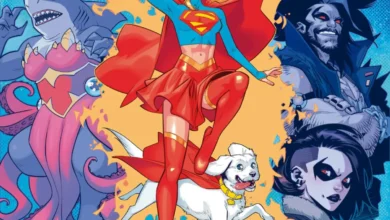
Supergirl Trailer Offers a Deep Dive into the Emotional and Cosmic Stakes of the DC Universe


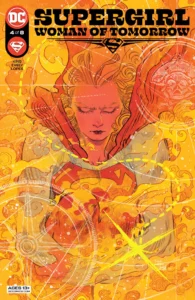
The latest trailer for Supergirl, released by Warner Bros. and DC Studios, marks a pivotal moment in the expansion of the new DC cinematic landscape. Starring Milly Alcock as Kara Zor-El, the film moves beyond the traditional superhero tropes of its predecessors to explore a character defined by displacement, grief, and the search for belonging. Under the direction of Craig Gillespie, the project is positioned as a foundational pillar for the studio’s ongoing efforts to revitalize the DC brand, following the significant global success of Superman.
A Departure from Tradition: The Character Arc of Kara Zor-El
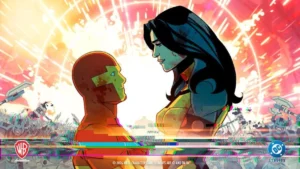
In the newly unveiled footage, the narrative tone is set not by a grand display of power, but by a poignant dialogue between Kara and her cousin, Clark Kent, portrayed by David Corenswet. This interaction highlights the psychological weight of the character—a survivor of Krypton who has spent her life existing in the margins of the cosmos. Corenswet’s Superman serves as a grounding force, reflecting the audience’s concern for Kara’s tendency to detach from Earth and its inhabitants.
The film explicitly addresses the central tension of the character: her feeling of being a "woman out of time and place." Kara’s declaration that she has no home, save for the companionship of Krypto, frames the story as an internal quest for identity. This characterization deviates from previous iterations of the hero, focusing instead on the trauma of loss and the difficulty of integration, providing a nuanced perspective that is likely to resonate with contemporary audiences looking for character-driven superhero cinema.
The Inciting Incident and Narrative Stakes
The story’s momentum shifts rapidly when Krypto, Kara’s last living link to her heritage, is poisoned by the machinations of Krem of the Yellow Hills, played by Matthias Schoenaerts. This inciting incident provides a ticking clock—a three-day window to save her companion—that forces Kara out of her self-imposed isolation and into direct conflict with a formidable antagonist.
Schoenaerts’ portrayal of Krem is teased as a catalyst for a larger, more systemic threat. His actions are not merely a personal affront to Kara; they serve as the domino that topples a fragile peace, drawing in secondary characters like Ruthye Marye Knoll, played by Eve Ridley. The trailer highlights a significant thematic divergence from standard genre fare through the relationship between Kara and Ruthye. As Ruthye seeks retribution for the murder of her father, Kara’s mentorship acts as a moral compass. Her warning that "revenge won’t take your pain away" signals that the film is as concerned with the ethical consequences of violence as it is with the physical conflict.
Expanding the DC Cinematic Universe
One of the most notable elements of the trailer is the inclusion of Lobo, portrayed by Jason Momoa. The introduction of this fan-favorite antihero serves several strategic purposes. First, it diversifies the film’s tonal range; Lobo’s chaotic, irreverent nature promises to act as a counterweight to the solemnity of Kara’s journey. Second, his presence suggests a broader, more interconnected universe. By integrating such an unpredictable figure, the studio is signaling that the DC Universe will not be limited to singular, self-contained arcs, but will instead embrace a more expansive, multi-layered mythology.
This expansion is a core component of the strategy established by DC Studios heads James Gunn and Peter Safran. Since taking the helm, Gunn and Safran have focused on a cohesive, interconnected storytelling model. The production team’s choice of Ana Nogueira as screenwriter ensures that the character beats remain the priority, even as the scale of the world grows.
Contextualizing the Success of the DC Brand
The release of the Supergirl trailer follows a period of intense scrutiny and subsequent recovery for DC Studios. The 2025 release of Superman, which outperformed expectations by grossing over $618 million worldwide, proved that there is a robust market for high-quality, character-first DC storytelling. This financial success has provided the necessary momentum for Supergirl to be treated as a major tentpole release rather than a side-story.
Industry analysts note that the strategic shift toward "grounded" stories with "cosmic stakes" is a response to audience fatigue regarding standard superhero formula. By focusing on the emotional resonance of the characters—such as the bond between an alien exile and her dog, or the cycle of vengeance—DC is attempting to differentiate itself from competitors who have historically relied on spectacle over substance.
Production and Release Timeline
Directed by Craig Gillespie, known for his ability to blend dark comedy with character drama, the film is poised to be one of the most anticipated entries in the 2026 summer slate. The production timeline has been meticulous, with DC Studios prioritizing post-production quality to ensure that the visual effects for the film’s cosmic settings align with the emotional tone.
- Pre-production/Casting: Early 2024, focusing on finding the right lead to carry the franchise.
- Principal Photography: Mid-2025, conducted across various international locations to capture the "off-world" aesthetic.
- Trailer Debut: Late 2025, serving as the official start of the marketing campaign.
- Theatrical Release: June 26, 2026, including a massive IMAX rollout to accommodate the film’s scale.
Implications and Future Outlook
The implications of Supergirl’s success are significant for the long-term roadmap of the DC Universe. If the film achieves the same critical and commercial reception as its predecessor, it will solidify the "Gunn-Safran" model of cinema. This model relies on a mix of legacy characters and niche favorites (like Lobo) to create a sense of discovery for the audience.
Furthermore, the film’s emphasis on moral complexity suggests that future DC projects will continue to move away from the binary "hero vs. villain" dynamic. By focusing on the internal journeys of characters like Kara Zor-El, the studio is betting that viewers are ready for a more mature exploration of power and responsibility.
The inclusion of Ruthye Marye Knoll as a surrogate for the audience’s perspective—a regular person caught in the crossfire of god-like beings—is a classic narrative device that grounds the film’s more fantastical elements. This structural choice ensures that the audience remains connected to the human (or human-adjacent) costs of the story, preventing the stakes from feeling abstract.
As June 26 approaches, the marketing efforts are expected to ramp up, focusing on the chemistry between the cast members and the visual spectacle that Gillespie has crafted. With the trailer already generating significant discourse across social media platforms, the film is well-positioned to maintain its momentum.
In conclusion, Supergirl appears to be a sophisticated, character-driven entry that leverages the immense reach of the DC brand while daring to ask difficult questions about home, legacy, and the corrosive nature of vengeance. For Warner Bros. and DC Studios, the film represents more than just a box-office prospect; it is a critical step in establishing a sustainable, artistically diverse future for their most iconic intellectual properties. Whether Kara Zor-El succeeds in her mission to save her companion remains to be seen, but the journey to find her place in the universe is one that promises to redefine her place in the public consciousness for years to come.