The contemporary music and digital media landscape is undergoing a profound structural evolution, defined by rapid artistic reinvention, cross-platform media dominance, and the relentless globalization of pop culture. Recent developments highlighted across digital entertainment networks illustrate a shifting paradigm in how artists release music, how digital platforms curate culture, and how global phenomena—particularly K-pop—continue to command unprecedented audience engagement. From high-profile artistic rebranding to major music video premieres and culturally impactful documentary series, the current entertainment ecosystem reflects a dynamic intersection of traditional star power and modern digital distribution strategy.

The Rebranding and Musical Transformation of MILEY
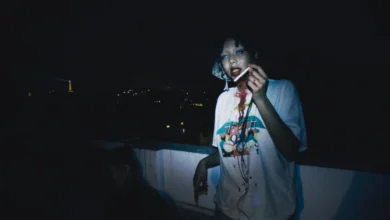
In a strategic move that signaled a definitive break from her past catalog, the artist formerly known as Miley Cyrus initiated a comprehensive artistic transformation on August 31. By officially dropping her surname to adopt the mononym MILEY, the singer-songwriter and pop culture fixture established the foundation for a brand-new chapter in her nearly two-decade-long career. This nomenclature shift was swiftly followed by the September release of "Bass Persuades," her debut single under Atlantic Records and the primary promotional vehicle for her tenth studio album.
Musically, "Bass Persuades" serves as a bold introductory statement for a dance-pop era heavily inspired by nostalgic auditory textures. The track relies on a classic four-on-the-floor beat, a prominent disco bassline, and atmospheric 1980s synthesizers, positioning the artist squarely within the current revival of retro dance music. The release strategy proved immediately effective. Within seven days of its premiere on digital platforms, the single amassed over 9.5 million views and climbed directly to the number two position on YouTube’s trending charts.

Industry analysts note that this rollout is part of a broader trend where established legacy artists utilize minimalist branding and genre-specific pivots to capture younger, algorithm-driven demographics. With her tenth studio album scheduled for release on September 18—her first major body of work under the Atlantic Records banner—and subsequent high-profile live performances slated for the Hollywood Bowl on October 16 and 18, MILEY’s current era is characterized by tightly synchronized multimedia campaigns designed to maximize both commercial reach and brand partnership opportunities.
UPROXX Originals and the Evolution of Digital Culture
Parallel to major artist debuts, digital publishing networks are increasingly shaping modern cultural narratives through proprietary video series and multimedia journalism. Operating under the philosophy that modern media brands are defined by their weekly creative output, networks like UPROXX have expanded their cultural footprint through strategic partnerships and high-profile interview franchises.

Since August, the network’s programming slate has featured notable installments of its "Visionaries" performance and interview series. Collaborating with brands such as Verizon, the platform has released episodes spotlighting R&B artists Ari Lennox and Lucky Daye, alongside a widely discussed interview featuring Latin music icon Becky G in conversation with UPROXX Chief Visionary Officer will.i.am. Additional standalone features with Will and Becky G, paired with diverse musical spotlights in the "Sound Check" series—including appearances by Alex Warren, Bella Kay, and veteran hip-hop artist The Game—have contributed to a combined viewership exceeding 8.2 million across UPROXX.com and YouTube.
The network’s cross-media expansion extends beyond musical performances into long-form cultural storytelling. Powered by FX and tied thematically to the television franchise The Drop: A Snowfall Saga, UPROXX released a mini-documentary tracing the historical origins of the West Coast sound. Featuring prominent hip-hop figures Warren G and Kurupt, the project illustrates how digital publishers are increasingly leveraging prestige television partnerships to authenticate music journalism and drive audience retention. Furthermore, non-musical content, such as a "Sound Check" feature involving film star Adria Arjona that generated over half a million views on social media, demonstrates the growing viability of cross-disciplinary talent coverage in digital spaces.

The Unstoppable Global Expansion of K-Pop
While domestic pop and R&B continue to find innovative distribution avenues, the international music market remains heavily influenced by the unstoppable commercial force of K-pop. The genre’s global dominance was underscored by recent milestones achieved by members of the historic girl group BLACKPINK, who have successfully transitioned into formidable solo acts while maintaining collective cultural relevance.
In 2025, JISOO made music history when her solo single "Eyes Closed" entered the Billboard Hot 100 chart. This achievement marked a significant milestone, making BLACKPINK the first all-female K-pop group in history to have every individual member chart independently on the prestigious ranking. Building upon this momentum, JISOO returned to the global stage last week with the release of her latest single, "CLICK." The track’s music video captured immediate international attention, securing an impressive 35.4 million views within its first seven days of release and further cementing the unmatched viewer retention rates characteristic of major K-pop visual drops.

The momentum within the genre shows no signs of slowing down. Just two weeks following JISOO’s release, fellow BLACKPINK member ROSÉ is slated to drop her new single, "New Trick," on September 17. The upcoming release carries substantial industry anticipation, not only due to ROSÉ’s massive digital footprint—boasting over 20 million YouTube subscribers and 5.78 billion lifetime views—but also because of its high-profile production pedigree. The music video for "New Trick" was directed by acclaimed filmmaker Dave Meyers and shot entirely on the iPhone 18 Pro, serving as the centerpiece for Apple’s latest global "Shot on iPhone" marketing campaign.
This release follows the massive success of ROSÉ’s 2025 collaboration with Bruno Mars on the track "APT.," which finished the year as the number one music video in the United States and accumulated more than 2.66 billion views globally. These figures highlight a broader economic and cultural reality: K-pop is no longer a niche international export but a foundational pillar of the mainstream global music economy, regularly outperforming traditional Western releases in terms of raw engagement velocity.

Industry Implications and Future Outlook
The convergence of MILEY’s tactical reinvention, UPROXX’s expansive multimedia programming, and K-pop’s persistent streaming dominance points to several key conclusions regarding the trajectory of the entertainment industry.
First, traditional album rollouts are increasingly being replaced by integrated multimedia events. Artists are no longer relying solely on audio delivery; instead, they are deploying high-concept visual aesthetics, technology-partnered music videos (such as Apple’s collaboration with ROSÉ), and digital-first interview series to capture fleeting consumer attention spans.

Second, the relationship between media publishers, streaming platforms, and corporate brands has grown symbiotic. Advertisers and corporate sponsors are actively seeking integration into cultural touchstones—whether through branded documentary shorts tied to television series, sponsorship of live performance showcases at iconic venues like the Hollywood Bowl, or direct alignment with high-engagement digital properties.
As digital networks continue to refine their distribution models and global artists leverage multi-platform strategies to cross geographical and cultural boundaries, the entertainment landscape will undoubtedly continue to accelerate. For industry stakeholders, artists, and brands alike, the mandate moving forward is clear: adaptability, high-production visual output, and deep audience engagement are the definitive currencies of the modern cultural economy.