Baldur’s Gate 3 Act Two Expansion mod introduces the Chionthar Wilds to Larian Studios’ acclaimed RPG.

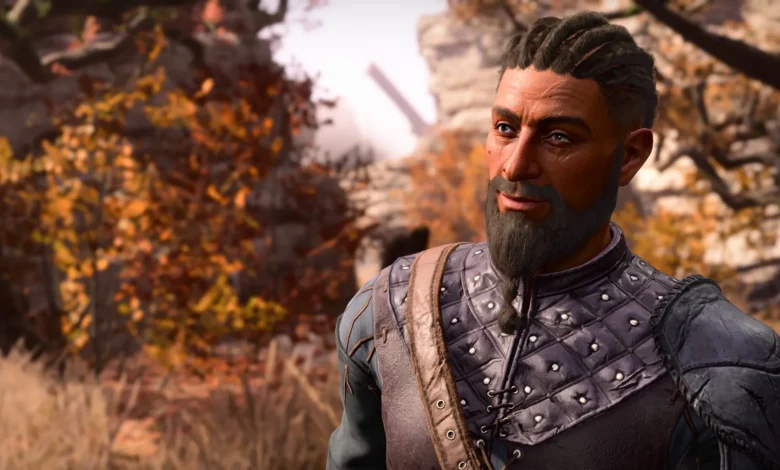
Larian Studios’ Baldur’s Gate 3 achieved monumental success upon its full release in August 2023, setting a new benchmark for computer role-playing games (CRPGs). However, despite the game’s critical acclaim and massive player retention, a subset of the community identified a pacing and structural bottleneck within the second act. Specifically, players noted that the transition from the Shadow-Cursed Lands—a narratively intense but visually monochromatic environment—to the sprawling urban density of the game’s final act felt abrupt. To address this desire for additional content and environmental variety, a dedicated modder, SquallyDaBeanz, has released the "Baldur’s Gate 3: Act Two Expansion," a substantial addition to the game’s existing framework.
Development Chronology and Project Scope
The project, which has been in active development for nearly two years, represents one of the most ambitious community-led expansions to date. The development timeline began shortly after the game entered early access, as creators sought to understand the proprietary engine tools provided by Larian. SquallyDaBeanz’s project, titled "The Chionthar Wilds," is designed to serve as a bridge between the existing second and third acts.
Unlike minor cosmetic mods or equipment additions, this expansion implements a fully realized custom zone. The design philosophy behind the Chionthar Wilds emphasizes a return to the open, verdant aesthetic characteristic of the first act’s wilderness areas, providing a respite from the gloom of the Shadow-Cursed Lands. According to technical documentation provided by the creator, the map is comparable in size and scope to the initial wilderness zones, offering a significant landmass for exploration.
Gameplay Mechanics and Technical Integration
The expansion is engineered to fit into the existing game flow, though it requires a degree of player management to ensure it does not compromise the intended difficulty curve of the base game. Players are advised to enter the new region only after completing the primary objectives within the Shadow-Cursed Lands. Ideally, the player character and their party should be at least level 8 to navigate the new encounters effectively.
To maintain game balance, the mod includes "artificially reduced" experience point (XP) gains. This design choice is a direct response to the potential for "over-leveling" before entering the third act, which would otherwise undermine the intended challenge of the late-game content.
The expansion features:
- Combat Encounters: Over 30 unique combat scenarios featuring new enemy configurations.
- Itemization: More than 70 custom items, ranging from armor to magical artifacts.
- Narrative Content: A series of new quests and non-player characters (NPCs) that populate the Chionthar Wilds.
For players wishing to test the content without committing to a full playthrough, the mod includes a "quickstart" function. This utility transports the player directly to the new region, providing pre-set equipment and hirelings to facilitate immediate engagement with the modded content.
Limitations of Community-Led Development
While the scope of the project is impressive, the realities of modding a title as complex as Baldur’s Gate 3 impose specific technical constraints. The developer has explicitly noted that this expansion operates under the limitations of a third-party add-on rather than an official Larian update.
Key technical limitations include:
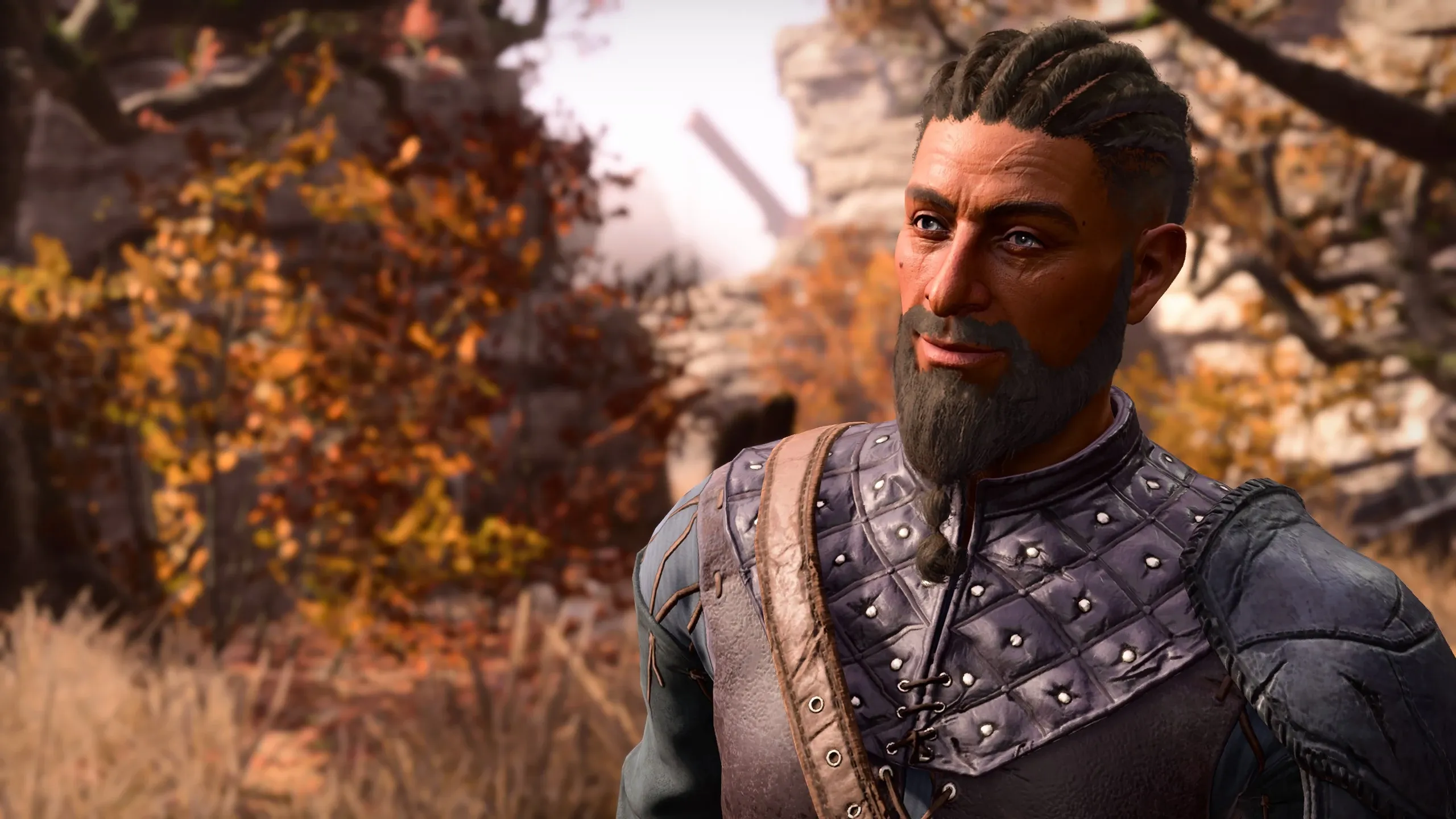
- Lack of Voicing: Unlike the base game’s professional motion-capture and voice-acting performances, the new characters and dialogue in the expansion are unvoiced.
- Engine Restrictions: Certain high-level features, such as the "Speak with Dead" or "Speak with Animals" mechanics, are not fully integrated into the new zone’s interactions.
- Narrative Continuity: The choices made within the Chionthar Wilds do not have reactive consequences that ripple into the game’s official third act. The expansion serves as a self-contained experience rather than a seamless extension of the main branching narrative.
These constraints align the mod more closely with traditional, old-school CRPG expansions, where the focus remains on environmental exploration, tactical combat, and text-based storytelling rather than the cinematic, reactive branching paths that define the base game’s core experience.
Contextualizing the Impact of Modding
The release of the Act Two Expansion highlights the enduring demand for post-launch content in the wake of Baldur’s Gate 3. Since the game’s launch, Larian Studios has provided consistent updates, including performance optimizations, bug fixes, and the eventual implementation of official mod support through the Larian Modding Toolkit.
The introduction of the toolkit has significantly lowered the barrier to entry for creators. Before this, modders were required to use third-party reverse-engineering tools, which were prone to breaking during official game updates. The existence of a project like "The Chionthar Wilds" demonstrates the efficacy of these official tools, as it represents a level of complexity that would have been significantly more difficult—if not impossible—to achieve within the first year of the game’s lifecycle.
Industry Implications and Future Trends
The rise of massive, community-driven content expansions has profound implications for the RPG genre. As players finish the standard campaign, the "modding pipeline" has become a vital component of the product’s longevity. This is particularly relevant for studios that utilize proprietary engines. By providing the tools for the community to build their own zones and quest lines, developers like Larian effectively extend the product’s lifecycle, keeping the title in the public consciousness long after the initial media cycle has faded.
Moreover, the "old-school" nature of these mods—often relying on reading and tactical engagement rather than cinematic spectacle—appeals to the core demographic of the CRPG genre. These players are historically accustomed to modular content, having grown up on the Baldur’s Gate and Neverwinter Nights titles of the early 2000s, which featured robust toolsets for custom modules.
Conclusion and Accessibility
For those interested in exploring the Chionthar Wilds, the mod is currently available via established community hosting platforms. It is important for users to consult the installation guidelines, as modding Baldur’s Gate 3—especially with content as extensive as a new zone—can occasionally lead to conflicts with existing save files or other installed modifications.
As the community continues to refine these tools, it is likely that even more complex, high-fidelity expansions will emerge. While these projects cannot replicate the narrative depth of the base game’s original writing and cinematic direction, they provide a valuable service to the player base by expanding the mechanical and exploratory breadth of the game. For the veteran player seeking a reason to return to the Sword Coast, the Act Two Expansion offers a substantial, if distinct, adventure that honors the legacy of the genre.
As of this writing, the mod has received significant traction within the community, with early feedback focusing on the technical stability of the custom zone and the challenge level of the new combat encounters. Whether such projects will eventually become the standard for post-launch support remains to be seen, but the success of this expansion confirms that the appetite for Baldur’s Gate 3 content remains robust, and the community is more than capable of providing it.