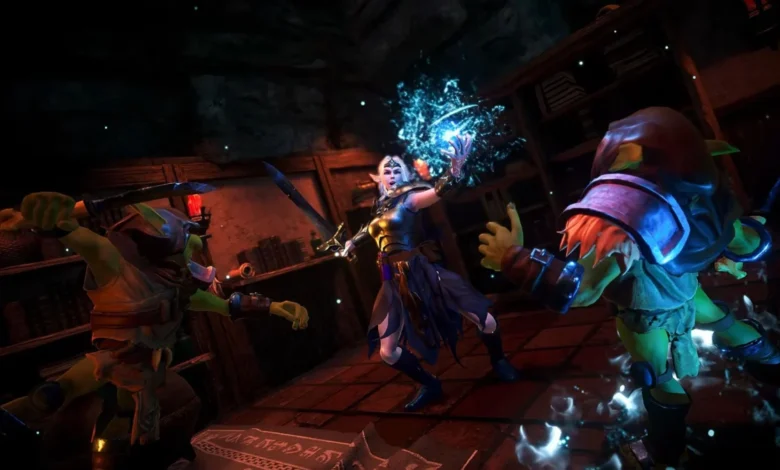
The announcement of HeroQuest: Digital Edition marks a significant milestone in the evolution of Avalon Hill’s venerable dungeon-crawling franchise. Developed by Nomad Games, a studio with an extensive pedigree in board game adaptations, this project aims to translate the tactile, nostalgia-heavy experience of the 1989 classic into a modern, accessible, and highly customizable digital format. With a scheduled release on Steam in 2027 and a forthcoming closed beta, the title is positioned to bridge the gap between traditional tabletop enthusiasts and the digital PC gaming audience.
The Evolution of a Dungeon Crawler
HeroQuest holds a unique place in gaming history. Originally released as a collaborative effort between Milton Bradley and Games Workshop, the game served as an entry point for an entire generation of players into the world of fantasy tabletop gaming. Its blend of dungeon exploration, asymmetric gameplay—where one player acts as the Game Master (or Evil Wizard) while others control heroes—and iconic plastic miniatures set a standard for the genre.
The recent resurgence of the franchise, spearheaded by Avalon Hill’s successful 2021 deluxe rerelease, has reinvigorated the brand. By moving into the digital sphere, Avalon Hill is following a broader industry trend where established tabletop properties seek to capitalize on the ease of access provided by platforms like Steam. Nomad Games, known for its work on digital iterations of Talisman, Love Letter, and Fury of Dracula, brings the necessary experience to ensure that the core mechanics—the movement, the combat, and the unpredictable nature of dungeon traps—are preserved while being enhanced by digital-only features.
Gameplay Mechanics and Asymmetric Design
At its core, HeroQuest: Digital Edition is designed to offer a multifaceted experience. The game will support solo play, utilizing sophisticated AI to simulate the role of the Evil Wizard, Zargon. This inclusion addresses one of the primary hurdles of the physical game: the requirement for a dedicated Dungeon Master. By automating the villainous forces, solo players can experience the narrative-driven campaigns that define the HeroQuest universe.
For those seeking the social dynamics of the original board game, the digital edition will support online multiplayer. This mode allows up to four players to command the heroes, while a fifth player has the option to step into the role of Zargon, the villain. This retention of the "one-versus-many" dynamic is critical to maintaining the competitive tension that defines the franchise. The game is based on the North American edition of the original rules, which dictates the narrative inclusion of Zargon rather than Morcar, maintaining consistency for the largest segment of the historical player base.
The Power of Player-Generated Content
Perhaps the most ambitious feature announced is the integration of a comprehensive quest editor. By leveraging mod.io, Nomad Games is providing the community with the tools to create, share, and play custom maps and missions. This move is indicative of a broader strategy to extend the game’s longevity. While the base game will launch with curated campaigns, the ability for players to construct their own dungeons ensures that the content pipeline remains effectively infinite.
This functionality echoes the success of other digital tabletop platforms, where community-driven content often sustains a game years after its initial launch. For a title like HeroQuest, where the core rules are simple but the level design is the primary variable, this editor could transform the game from a finite product into an ongoing platform for user-generated adventures.
Quality of Life and Modernization
One of the key discussions among the fan community concerns the potential implementation of modern rulesets. The recent HeroQuest: First Light release introduced quality-of-life adjustments, such as the option for players to move a fixed eight squares per turn when the dungeon is devoid of monsters, rather than relying on the traditional 2d6 movement roll.
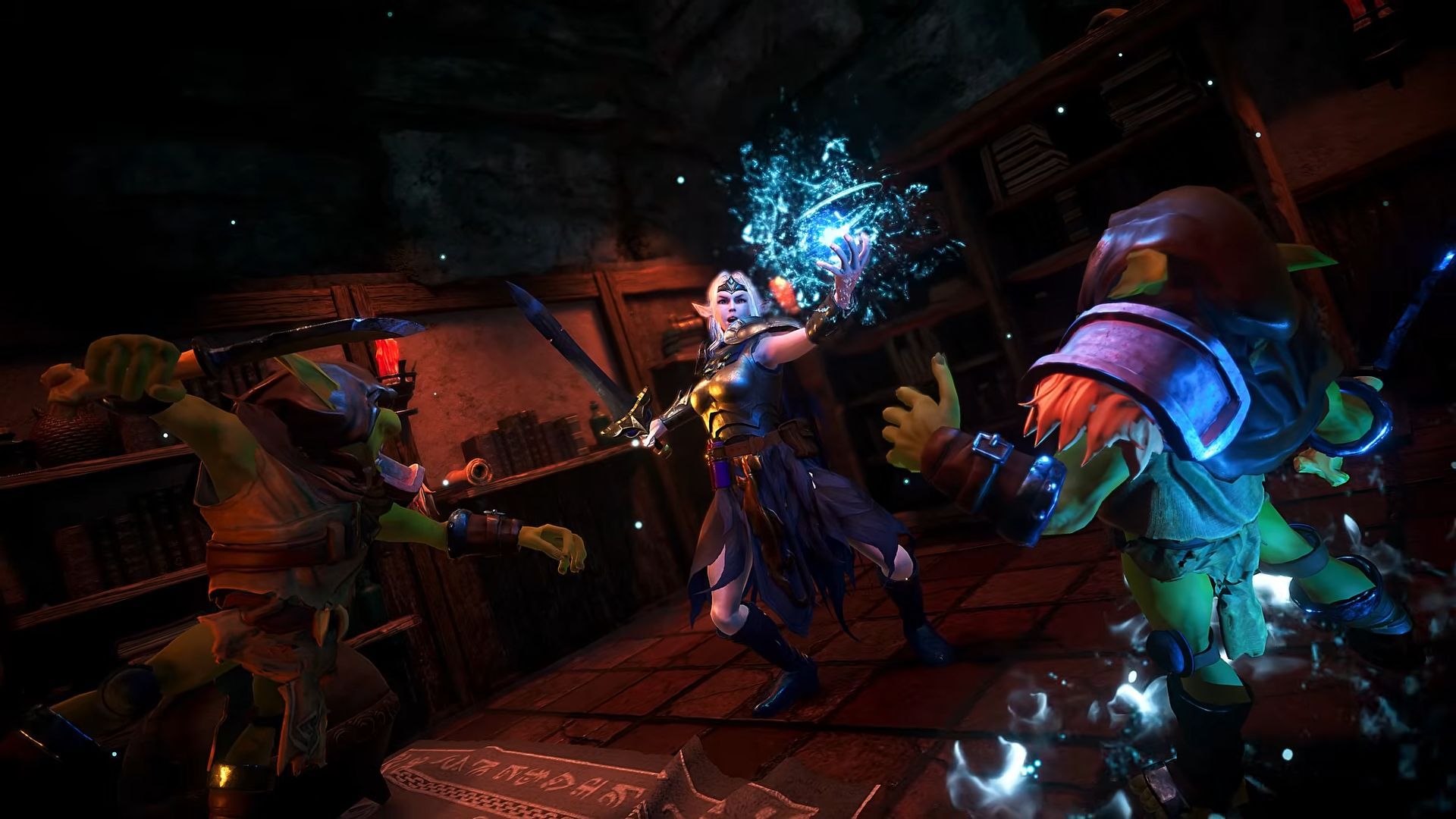
In the physical board game, backtracking through cleared rooms can often feel like a tedious exercise in dice rolling. If the digital edition incorporates these streamlining mechanics, it could significantly improve the flow of the game, reducing downtime and focusing the experience on tactical decisions rather than movement logistics. Whether Nomad Games will offer these as toggleable options or baked-in features remains a topic of significant interest for long-term fans.
Chronology and Development Roadmap
The project is currently in the active development phase. While the official trailer has provided a glimpse into the art style and UI, the timeline toward the 2027 release remains structured around community feedback. The upcoming closed beta represents the first major opportunity for the developer to stress-test the multiplayer netcode and the stability of the quest editor.
- 1989: The original HeroQuest board game is released.
- 2021: Avalon Hill releases a high-quality, modernized physical edition of HeroQuest.
- 2024: Announcement of HeroQuest: Digital Edition by Nomad Games.
- 2025–2026 (Projected): Beta testing cycles and community content creation previews.
- 2027 (Projected): Global launch on the Steam platform.
Broader Market Implications
The transition of tabletop games to digital environments has seen varied results. Successful adaptations often require a delicate balance: they must retain the "soul" of the analog experience while removing the friction associated with physical setup, cleanup, and rules arbitration.
The digital board game market has grown exponentially in the last five years, driven in part by the shift toward remote play during the COVID-19 pandemic and the subsequent mainstream acceptance of virtual tabletops (VTTs). By creating a dedicated, standalone application rather than relying on third-party VTTs like Roll20 or Foundry, Avalon Hill is creating a "walled garden" experience. This approach allows for higher graphical fidelity, automated rules enforcement, and a more immersive atmosphere—features that are difficult to achieve in generic VTTs.
Industry Reception and Expectations
Industry analysts suggest that the success of this digital venture will depend largely on the fidelity of the implementation. For many, HeroQuest is an emotional product tied to childhood memories. Therefore, the visual presentation, the sound design (including the iconic, ominous music), and the tactile feedback of the digital dice rolls will be scrutinized by a vocal and passionate fanbase.
Nomad Games has signaled that they are aware of these expectations. By engaging with the community early through trailers and upcoming beta phases, they are attempting to build a feedback loop that will allow them to refine the product before the 2027 window. The integration of mod.io is particularly telling; it demonstrates a commitment to the "sandbox" nature of the game, acknowledging that the community is often the best source of new, engaging content.
Conclusion: The Future of the Dungeon
As the industry looks toward 2027, the stakes for HeroQuest: Digital Edition are clear. It must satisfy the veterans who remember the 1989 original with code wheels and paper character sheets, while simultaneously appealing to a modern audience accustomed to the slick UI and instant accessibility of contemporary digital RPGs.
If Nomad Games can successfully marry the charm of the classic board game with the robust feature set of a modern digital title, they will have created more than just a game; they will have established a digital hub for one of the most enduring IPs in tabletop history. The path to release will undoubtedly be shaped by the upcoming beta tests, but as it stands, the project is a significant development that underscores the continued relevance of the dungeon-crawling genre in an increasingly digital world. For players, whether they choose to wield a broadsword or command the forces of Zargon, the return to the dungeon is no longer limited by the boundaries of a physical board.