Kevin Feige and Ryan Coogler reflect on the profound legacy of Chadwick Boseman and the human side of Marvel Studios leadership.

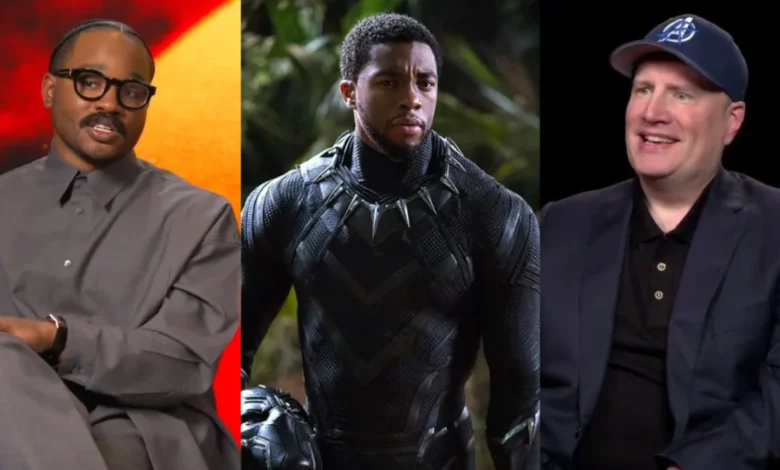
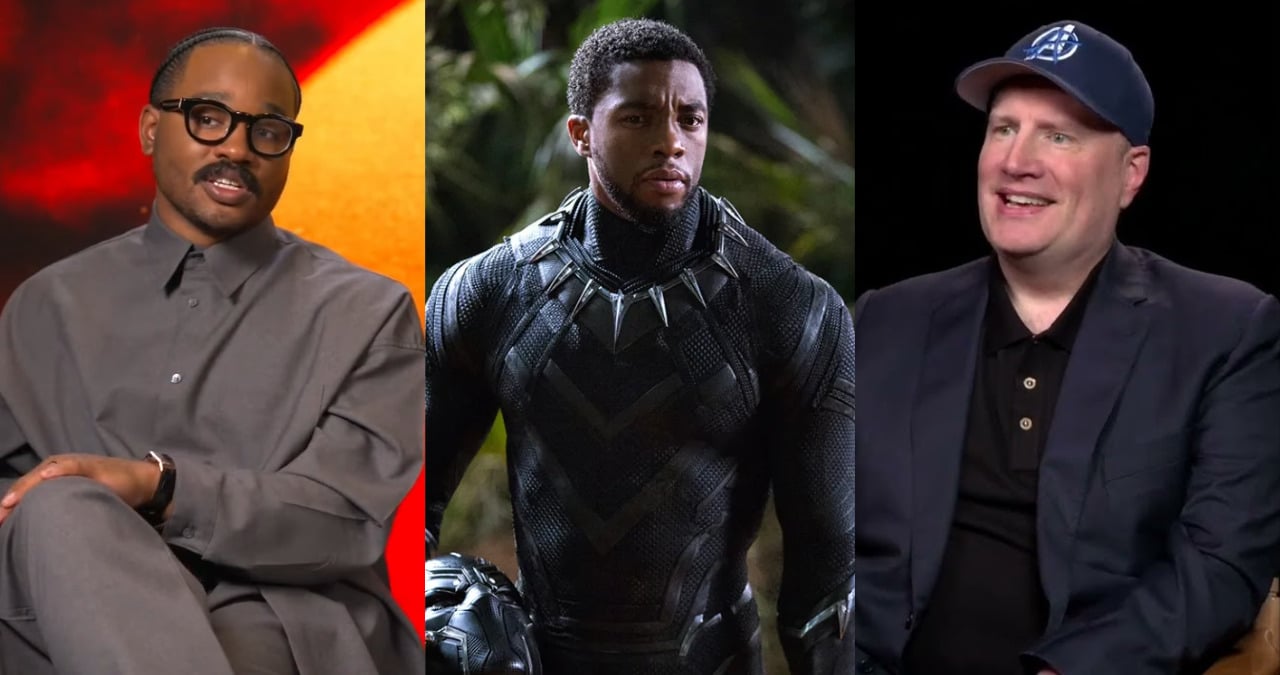
The untimely passing of Chadwick Boseman in August 2020 left an indelible void in the landscape of contemporary cinema. As the face of the Marvel Cinematic Universe’s (MCU) first major foray into Afrofuturism, Boseman’s portrayal of T’Challa, the Black Panther, transcended the traditional boundaries of the superhero genre. Years after his death from colon cancer, those who worked most closely with him—Marvel Studios President Kevin Feige and director Ryan Coogler—continue to process the professional and personal loss of a colleague who redefined the cultural impact of blockbuster filmmaking.
In a recent appearance at the University of Southern California, hosted as part of a dialogue on the evolution of the MCU and the creative process, Feige and Coogler offered a rare, intimate look at the behind-the-scenes reality of the studio during the summer of 2020. The discussion served as a testament to the fact that, despite the massive corporate machinery of Disney and Marvel, the relationships forged on set are deeply rooted in genuine human connection.
The Weight of Silence: Kevin Feige on Professional Regrets
For Kevin Feige, the architect of the most successful film franchise in history, the death of Chadwick Boseman served as a sobering lesson in the limitations of a busy professional life. During the USC conversation, Feige addressed the common industry trap of assuming there will always be a "next time" to connect with collaborators.
"We will be back in there, that was always my expectation," Feige noted, reflecting on his relationship with Boseman. "So the need to set a dinner or a lunch to say hi, I just never do. Because we’re busy and because we’re going to have a next time. And that hit me like a ton of bricks when I realized that there wasn’t going to be a next time."
This admission highlights the unique cadence of the film industry, where long-term projects often span years, creating a false sense of permanence. Feige’s reflection suggests a shift in how he approaches his relationships with actors and directors, acknowledging that the momentum of production schedules often masks the fragile nature of life itself. His candor provides a humanizing lens through which to view the head of a multi-billion dollar studio, reminding audiences that behind the intellectual property and release calendars are individuals managing personal grief alongside high-stakes business responsibilities.
Leadership During Crisis: The Coogler and Disney Connection
Ryan Coogler, who helmed both Black Panther (2018) and its 2022 sequel, Black Panther: Wakanda Forever, provided a contrasting perspective on how the studio leadership responded in the immediate aftermath of the tragedy. While the public and the media were quick to speculate on the future of the Black Panther franchise, Coogler revealed that the internal approach from Feige and Disney CEO Bob Iger was notably devoid of corporate pressure.
"They came to our apartment in lockdown… and we walked around the Richmond Arena and just talked," Coogler shared. "And that was the first real check-in. And it wasn’t ‘Hey, what are we going to do about this franchise?’ It was about, ‘Hey, are you OK? How are you taking it?’ It was a real moment where you see the humanity beyond the corporate things and the financial responsibilities."
This account is particularly significant given the logistical pressures facing Disney in 2020. The studio was navigating the onset of a global pandemic, the closing of theaters, and the complex task of continuing an interconnected cinematic universe without one of its most prominent stars. That the leadership prioritized a director’s well-being over immediate franchise planning speaks to a corporate culture that, at its core, relies heavily on the emotional stability and creative integrity of its talent.
A Chronology of Impact: From Wakanda to the World
To understand the weight of these reflections, it is necessary to examine the timeline of Boseman’s involvement with the studio and the seismic shift that occurred upon his passing:
- 2016: Chadwick Boseman makes his debut as T’Challa in Captain America: Civil War, setting the stage for a standalone franchise.
- 2018: Black Panther is released to unprecedented critical and commercial success, grossing over $1.3 billion worldwide and becoming the first superhero film to be nominated for the Academy Award for Best Picture.
- August 28, 2020: Chadwick Boseman passes away at age 43 after a private four-year battle with colon cancer.
- 2020–2021: Marvel Studios shifts its strategic focus. Ryan Coogler works with screenwriters to pivot the sequel, resulting in Black Panther: Wakanda Forever, a film dedicated to the legacy of the character and the actor.
- 2022: Black Panther: Wakanda Forever premieres, serving as both a commercial hit and an emotional tribute, earning Letitia Wright and Angela Bassett critical acclaim.
- 2026 and Beyond: With Ryan Coogler rising in stature—marked by his recent success with the film Sinners—discussions regarding Black Panther 3 and the future of the mantle have become central to Marvel’s post-Multiverse Saga trajectory.
Analytical Context: The Legacy of T’Challa
The impact of Chadwick Boseman’s performance cannot be overstated. By portraying T’Challa with a regal, stoic, and deeply intelligent nuance, Boseman expanded the definition of a "hero" in the MCU. His performance in Black Panther provided a level of cultural representation that resonated globally, leading to a surge in interest in Afrofuturism and pan-African storytelling.
From a business perspective, the death of a central actor poses a unique risk for a serialized franchise. The historical tendency in Hollywood has often been to recast characters immediately to preserve intellectual property value. However, Marvel Studios opted for a narrative approach that honored the actor’s death, choosing to pass the mantle of Black Panther within the story rather than replacing the actor. This decision, according to analysts, was a key factor in maintaining audience trust and honoring the emotional investment fans had in the character.
The Road Ahead: Black Panther 3 and Future Implications
As Ryan Coogler looks toward his return to the MCU for the third installment of the Black Panther series, the studio finds itself at a crossroads. Rumors have persisted regarding the potential for recasting the role of T’Challa in future iterations or exploring the multiverse to reintroduce the character. Regardless of the creative direction chosen, the precedent set by the response to Boseman’s death remains a foundational element of the studio’s modern identity.
The relationship between Coogler and Feige has evolved from that of a studio executive and a director to a partnership built on a shared, difficult experience. As the Multiverse Saga concludes and the MCU prepares for its next phase, the lessons learned from the loss of Boseman will likely influence how the studio manages its most valuable creative assets.
For Coogler, the task remains complex: how to build upon the foundation of a franchise that is defined by the absence of its original lead. "There was only one Chad, bro," Coogler stated during the USC talk. "And there was only one character that was really meant for him."
This sentiment is echoed by the fanbase, which continues to celebrate the actor’s work through charitable foundations, scholarships, and academic discourse. As Marvel Studios moves forward, the "humanity beyond the corporate things" mentioned by Coogler will remain the standard by which the studio’s success—both creative and moral—is measured. The upcoming chapter for Black Panther will not merely be an exercise in narrative progression; it will be an ongoing dialogue between the legacy of a singular performance and the future of a genre that was permanently changed by it.