Driving the Future of Sound: Inside Toyota and Uproxx’s The Next Gear Season Featuring Illenium and Otis Kane

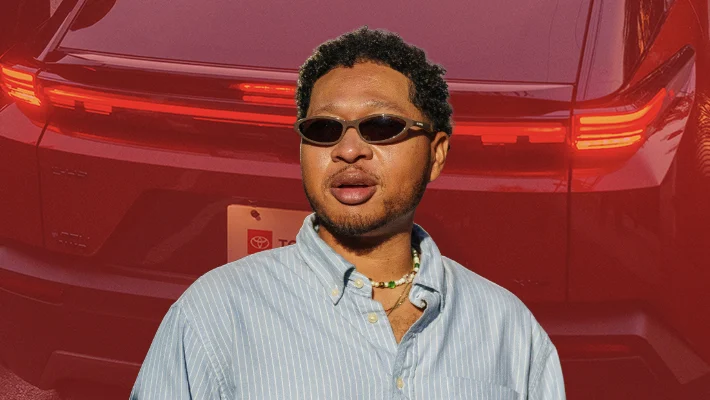
The intersection of automotive innovation and contemporary music culture has entered a new phase with the rollout of the latest collaborative content series between global automotive manufacturer Toyota and digital entertainment platform Uproxx. Titled The Next Gear, the multi-episode multimedia initiative highlights the mechanics of modern artistic endurance, featuring Grammy-nominated electronic music producer, DJ, and songwriter Illenium alongside a rotating roster of emerging musical talent. By pairing established headliners with rising artists inside the cabin of the all-electric Toyota C-HR, the series serves as both a rolling interview platform and a deep-dive masterclass into the realities of the contemporary entertainment industry.
The second installment of the series shifts its focus to singer, songwriter, and producer Otis Kane, utilizing the transit time between studio spaces and industry hubs as a backdrop for candid discourse regarding creative longevity, artistic integrity, and the navigation of the digital landscape. As the automotive industry pivots heavily toward electrification and sustainable mobility solutions, lifestyle-oriented marketing campaigns have increasingly relied on cultural alignment, positioning vehicles not merely as modes of transportation, but as functional creative sanctuaries for modern professionals.
Chronology and Production Framework of The Next Gear
The genesis of The Next Gear stems from a broader strategic shift in how automotive brands engage with younger demographic cohorts, specifically Millennials and Generation Z, who place high value on authentic brand storytelling and immersive cultural experiences. Planning for the current season began in late 2023, with pre-production involving talent curation, route mapping, and vehicle integration logistics managed jointly by Toyota’s media-buying agencies and Uproxx’s internal editorial and video production teams.
The production schedule required meticulous coordination to align the demanding touring and recording schedules of primary host Illenium—legally known as Nicholas Miller—with the availability of rising guest acts such as Otis Kane. Filming took place on location in major metropolitan music hubs, primarily utilizing urban driving routes designed to showcase the dynamic performance capabilities, quiet cabin acoustics, and advanced user-interface technology of the all-electric Toyota C-HR.
In the debut episode, establishing the thematic tone of the series took center stage, focusing on the foundational steps required to transition from a bedroom producer to a globally touring act. By the time production moved into the second episode featuring Kane, the conversational rhythm within the vehicle allowed for more nuanced explorations of professional maturity, team delegation, and the psychological weight of maintaining public engagement in an era of hyper-connectivity.
Dissecting the Creative Process: Quality Control and Social Media Strategy
A central theme of the dialogue between Illenium and Otis Kane during their shared transit centered on the rigorous editorial standards required to sustain a long-term music career. In an industry saturated by algorithmic pressures to release constant content, both artists addressed the delicate equilibrium between maintaining audience visibility and safeguarding the quality of the primary artistic output.
Kane and Illenium explored the fundamental dilemma faced by modern musicians: how to differentiate a fleeting musical idea from a composition that warrants public release. Illenium articulated a philosophy rooted in temporal distance and reliance on a trusted internal circle of advisors. According to the producer, time away from a completed track serves as the ultimate diagnostic tool, allowing the creator to return with objective ears free from the emotional bias of the initial recording session.
The conversation subsequently pivoted to the omnipresent pressure of digital self-promotion. Social media algorithms reward frequency and real-time engagement, which can frequently lead to professional burnout among creative workers. Both artists emphasized the necessity of reclaiming agency over digital platforms, advocating for a framework where artists utilize social media strictly on their own terms rather than succumbing to the relentless demands of constant online availability.
Despite the collaborative nature of modern music production—which frequently involves large teams of managers, publicists, co-writers, and booking agents—Illenium underscored the ultimate accountability that rests upon the primary creator. During a poignant moment in the episode, as he navigated the urban traffic behind the wheel of the Toyota C-HR, Illenium drew a direct parallel between driving the vehicle and steering a career: no matter how expansive the support system may be, the artist remains in the driver’s seat. "At the end of the day, you’re in charge," Illenium noted, emphasizing that the baseline work ethic must originate from within, as no external team member will ever outwork the primary visionary.
Balancing Fan Obligations and Personal Craft
Another critical dimension explored within the episode is the evolving relationship between an artist’s touring obligations and the solitary requirements of the creative process. In the early stages of professional development, emerging acts face intense pressure to maximize visibility by performing live as frequently as possible and accepting virtually every booking opportunity to expand their listenership.
Reflecting on his own professional trajectory, Illenium offered a candid assessment of the touring treadmill. "I was of the mindset in the beginning of my career to get in front of as many people as humanly possible," the producer reflected, acknowledging that while relentless touring is necessary to build a foundational fanbase, it eventually reaches a point of diminishing returns.
The realization that over-extension can impair creative output prompted a strategic pivot in Illenium’s career timeline. He noted that there comes a distinct juncture where an artist must consciously scale back live performance commitments to redirect time and mental bandwidth toward the studio. This deliberate pacing allowed him to refine his studio output, subsequently elevating his large-scale live concert productions to a more sophisticated tier. For Otis Kane, whose background spans both intimate songwriting and major-label production collaborations, this sentiment resonated deeply, highlighting the universal tension between commercial obligations and the internal requirements of artistic growth.
Industry Context and Strategic Implications
The partnership between Toyota and Uproxx for The Next Gear reflects broader macroeconomic and marketing trends within the automotive and media sectors. As traditional television advertising yields diminishing returns among younger consumers, brands are increasingly investing in branded entertainment and native content strategies that embed products naturally into compelling narratives.
From an automotive perspective, the choice of the all-electric Toyota C-HR as the narrative anchor for the series is deliberate. The vehicle represents Toyota’s broader corporate commitment to carbon neutrality and sustainable transportation alternatives. By featuring the EV in settings associated with youthful cultural innovation, youth-oriented creativity, and artistic autonomy, Toyota seeks to position the C-HR not simply as an eco-conscious appliance, but as an aspirational lifestyle asset.
Music marketing experts note that such native integrations yield higher brand recall and foster deeper emotional connections than conventional banner advertising or 30-second commercial spots. When respected cultural figures like Illenium and Otis Kane discuss meaningful life experiences inside a specific vehicle model, consumers absorb the brand attributes—such as reliability, modernity, and comfort—subconsciously.
Furthermore, the focus on career longevity and perseverance mirrors the current challenges facing the broader music industry. In the post-streaming era, where recorded music revenues are heavily concentrated among a small percentage of superstars, emerging artists face unprecedented hurdles in achieving financial sustainability. Discussions surrounding team-building, mental health, and artistic boundaries—as showcased in the series—provide tangible value to aspiring creatives navigating this turbulent economic landscape.
Broader Impact and Future Outlook
As The Next Gear continues its multi-episode run, the initiative sets a benchmark for how corporate entities can meaningfully participate in cultural conversations without overshadowing the art itself. By providing a platform for authentic mentorship and unscripted dialogue between established headliners and rising talents, the series bridges the gap between commercial sponsorship and genuine artistic expression.
The partnership underscores the changing nature of mobility and creativity in the twenty-first century. As artists continue to spend significant portions of their professional lives in transit between tour stops, writing camps, and studio sessions, the modern automobile functions as an extension of the creative workspace. Through projects like this, Toyota and Uproxx have successfully captured the rhythm of modern artistic life, proving that the journey toward creative fulfillment is just as vital as the destination itself.
Audiences can stream the current episode across Uproxx digital channels and Toyota brand properties, with subsequent episodes slated for release over the coming months as the series continues to explore the intersections of modern mobility, technology, and visionary talent.
Related posts: