Slayground A24 marketing campaign blurs the lines between immersive horror experiences and cinematic release

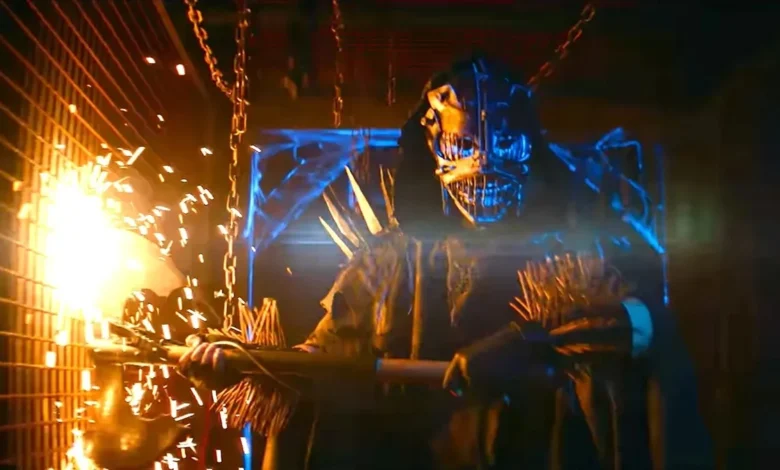
The cinematic landscape is currently witnessing a highly unconventional marketing strategy from A24, as the production powerhouse behind modern genre-defining films has debuted a teaser that deliberately obscures the distinction between a real-world haunted house attraction and a feature-length motion picture. The trailer, titled Slayground, recently premiered ahead of screenings for director Zach Cregger’s Resident Evil adaptation, leaving audiences initially confused as to whether they were viewing an advertisement for a seasonal walk-through horror attraction or a upcoming film. It has since been confirmed that Slayground is the official title for the new project from director Jeremy Saulnier, previously known by the working title October.
A Chronology of the Marketing Pivot
The transition from the project’s working title to its current iteration marks a deliberate shift in A24’s promotional timeline. For several months, industry insiders and fan communities had been tracking the progress of Saulnier’s next venture under the moniker October. This title suggested a fall release window, a standard industry practice for horror films aiming to capitalize on the heightened consumer interest in the genre during the month of October.
However, the reveal of the Slayground branding represents a departure from traditional promotional tactics. The teaser trailer—which features high-definition security camera footage of terrified patrons navigating a labyrinthine haunted house—is designed to trigger a specific visceral response. By omitting traditional movie credits or plot exposition, A24 successfully mimicked the aesthetic of a local commercial for a high-budget regional scare attraction. The campaign directs potential viewers to the landing page runlikehell.com, which currently hosts a countdown clock. With approximately 28 days remaining on that timer, the industry expects a wide theatrical release in late October 2026, aligning with the peak of the Halloween season.
Production Background and Cast Profiles
Jeremy Saulnier, widely recognized for his work on the critically acclaimed thriller Green Room, has cultivated a reputation for high-tension, claustrophobic narratives. His transition into the Slayground project has been met with significant anticipation. The film boasts a robust ensemble cast that bridges the gap between prestige drama and genre cinema.

The lead, portrayed by Cory Michael Smith, is cast as an escaped fugitive. The narrative arc centers on the protagonist attempting to clear his name while seeking refuge within the very location the film is named after—a high-stakes, elaborate haunted house attraction. The supporting cast includes Chase Sui Wonders, Sophie Wilde, Stephen Root, Imogen Poots, Matty Matheson, Young Mazino, and Macon Blair.
Reports from industry outlets, including World of Reel, suggest that the final cut of the film clocks in at a duration of approximately 150 minutes (2.5 hours). This runtime is notably lengthy for a genre film, suggesting that Saulnier intends to provide a deep, perhaps psychological, exploration of the "haunted house" setting rather than relying solely on jump scares. Furthermore, industry rumors—though currently unconfirmed by A24—point toward an original score composed by the Academy Award-winning duo Trent Reznor and Atticus Ross. Such a collaboration would represent a significant artistic asset, given the pair’s history of defining the soundscapes of modern suspense cinema.
The Intersection of Immersive Entertainment and Film
The marketing strategy employed for Slayground serves as a case study in the evolution of the "meta-horror" subgenre. By framing the film as a tangible, real-world attraction, A24 is tapping into the booming market for immersive entertainment. According to industry data from the Haunted Attraction Association (HAA), the haunted house industry has seen consistent growth, with millions of Americans participating in seasonal attractions annually. By positioning Slayground within this cultural context, the studio is effectively blurring the line between the audience as a spectator and the audience as a participant.
This approach is not without its precedents, but it is rare in the high-stakes world of major studio releases. In the past, films like The Blair Witch Project utilized "found footage" and faux-documentary marketing to convince audiences of the reality of their narrative. Slayground, however, uses the "commercial for a haunt" format to create a psychological bridge between the viewer’s real-world Halloween habits and the fictionalized stakes of the film.
Analytical Implications for the Horror Industry
The decision to rebrand from the generic October to the more evocative Slayground suggests a desire to establish a distinct brand identity. In a crowded marketplace, where horror films are released with increasing frequency during the fourth quarter of the fiscal year, brand differentiation is essential. By creating a trailer that feels like a local advertisement, A24 is effectively utilizing the "uncanny valley" of marketing—a promotional piece that is just familiar enough to be recognized, yet strange enough to pique immediate curiosity.
Furthermore, the choice to release this teaser before a major studio production like Resident Evil ensures that the target demographic for Slayground—frequent horror filmgoers—is reached at the exact moment they are already primed for fear-based entertainment. This strategic placement, combined with the mystery surrounding the official plot, serves to build "organic" buzz through social media discourse and forum speculation, potentially reducing the need for traditional, high-cost advertising campaigns.
The Mystery Factor and Future Expectations
Despite the excitement surrounding the film’s cast and directorial pedigree, A24 has maintained a strict "information blackout" regarding the plot. This strategy forces potential viewers to rely on the limited visual information provided by the teaser and the landing page. The imagery of a masked figure dragging an axe across a fence—causing sparks to fly—is a classic trope of slasher cinema, yet it is presented here with the clinical coldness of a security camera feed.
The implications for the film’s release are significant. Should Slayground succeed, it could set a new standard for how genre films are marketed in the streaming age, favoring viral, experience-based teases over standard trailer formats. As the countdown on runlikehell.com approaches zero, the industry will be watching closely to see if the film can translate this high-concept, meta-marketing success into box office performance.
For now, the ambiguity surrounding Slayground serves as its greatest asset. By refusing to provide a traditional synopsis, the studio ensures that the narrative—and the nature of the "haunted house" at the center of the story—remains a blank canvas upon which the audience can project their own expectations. In an era where trailers often reveal too much of the plot, the mystery surrounding this 150-minute feature is a refreshing, albeit calculated, departure from the norm. As the autumn season progresses, the anticipation for the film’s unveiling remains high, fueled by the very confusion that the initial marketing campaign intentionally cultivated. The success of this project will likely depend on whether the final product can live up to the high-tension, immersive promise established by its enigmatic promotional rollout.