Brooklyn Horror Film Festival Kicks Off Eleventh Year with Sold-Out Premiere of Vampiric Mockumentary I Love Paris

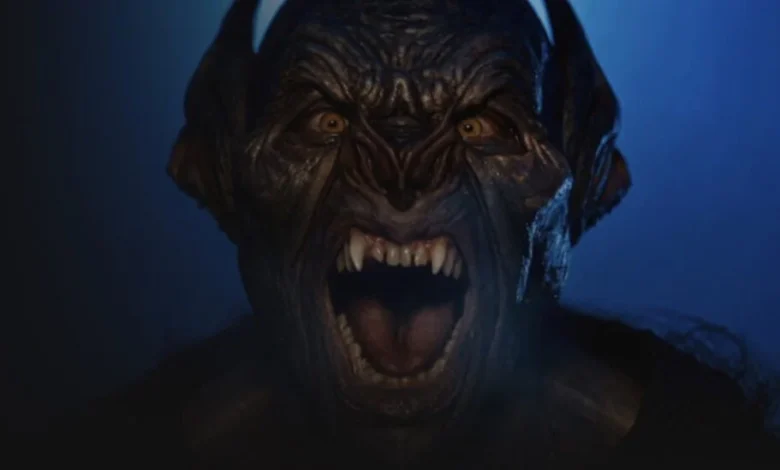
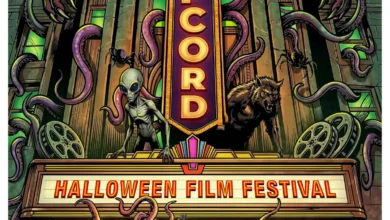
The eleventh annual Brooklyn Horror Film Festival returned on Thursday, October 15, 2026, bringing an influx of genre enthusiasts, filmmakers, and industry professionals to Williamsburg’s historic Nitehawk Cinema. The opening night of the festival established a robust tone for the multi-day event, highlighted by three entirely sold-out screenings of the vampire-themed horror-comedy I Love Paris. The strong attendance figures on opening night reflect the continued growth of the festival, which has spent over a decade establishing itself as a premier destination for independent horror cinema on the East Coast.
Chronology of the Opening Night and Festival Launch
The evening commenced with red-carpet arrivals and industry mixers outside Nitehawk Cinema, where attendees gathered ahead of the inaugural screenings. The scheduling of three consecutive, sold-out screenings of I Love Paris marked an unprecedented logistical opening for the festival’s eleventh iteration, pointing to high early-bird ticket demand and sustained public interest in hybrid horror-comedy formats.

Following the screenings, director Nicky Murphy and lead actress Aminata Thiboult participated in an interactive, late-evening Q&A session. During this panel, the creative team discussed the film’s unorthodox production schedule, shedding light on the grueling yet spontaneous timeline that brought the project from conception to the festival screen. The dialogue underscored a collaborative festival environment where audiences could directly engage with creators regarding the technical challenges of independent filmmaking.
Background Context on the Production of I Love Paris
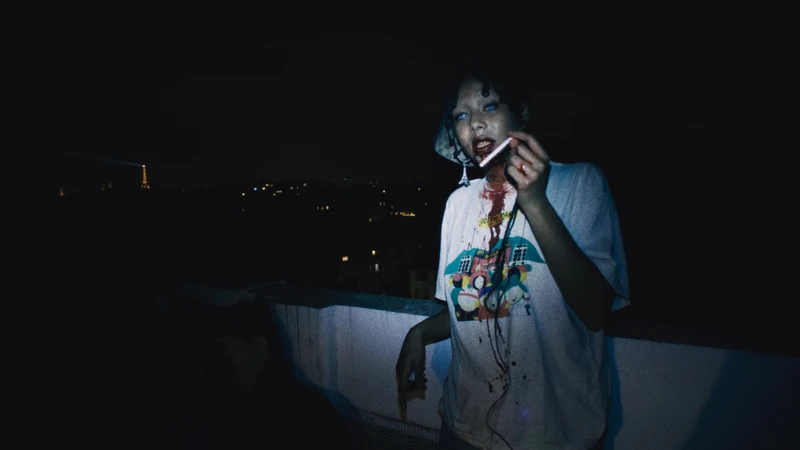
Directed by Nicky Murphy, I Love Paris offers a distinct twist on the well-established cinematic tropes of the vampire subgenre by employing a mockumentary format. The narrative centers on a rising pop star named Paris—yielding a deliberate double entendre with the city of the same name—whose pursuit of mainstream success is abruptly derailed by a supernatural affliction. After contracting vampirism, Paris is forced to balance the rigorous demands of the modern music industry with an eternal, nocturnal lifestyle.
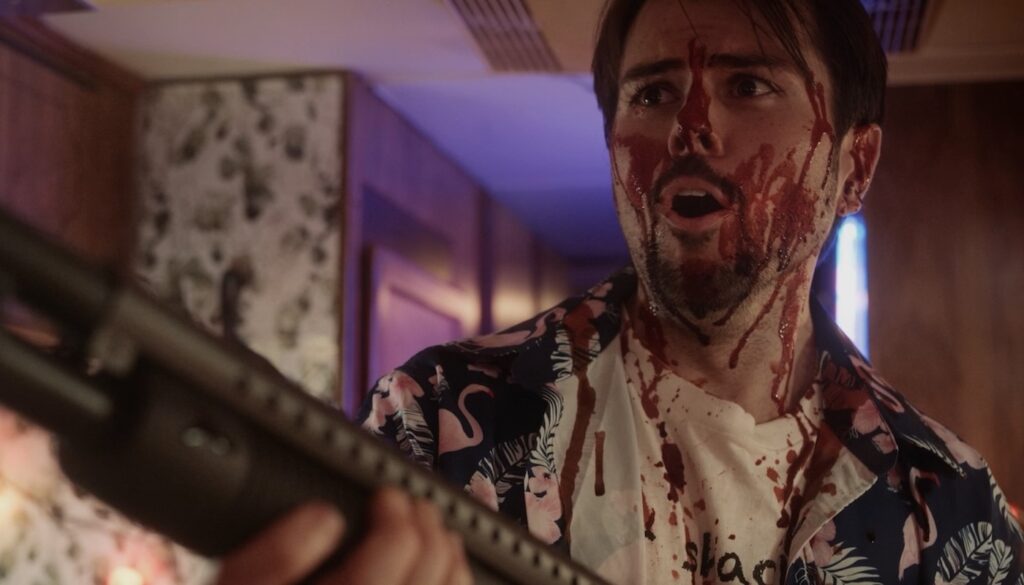
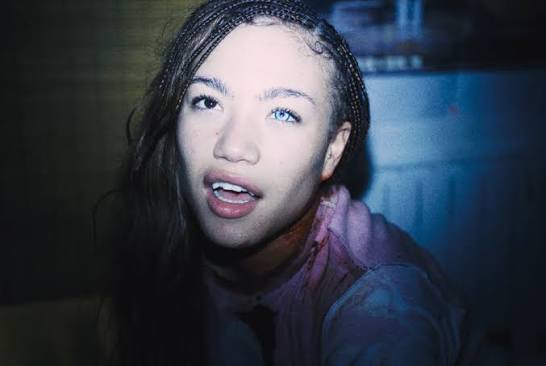
Unlike traditional mockumentaries that rely on rapid-fire, abrasive gags, I Love Paris distinguishes itself through a measured, character-driven comedic style. The film features a central performance by Aminata Thiboult as the titular pop star, supported by Leanor Oberson in the role of her maker, Lutece, and Louiza Aura as her artistic peer, Mimi. The dynamic among the three leads anchors the film, blending traditional horror elements with satirical commentary on contemporary celebrity culture, influencer marketing, and social media saturation.
Supporting Production Data and Guerrilla Filmmaking Techniques
During the post-screening discussions, the creative team revealed that a significant portion of I Love Paris was captured using guerrilla filmmaking techniques. Rather than relying entirely on controlled studio environments or closed sets, the production frequently utilized public spaces in New York and international locales, occasionally incorporating unsuspecting bystanders into the background of the shots.
This unscripted approach required a high degree of improvisation from the cast. The actors navigated unannounced public reactions while maintaining character consistency, leading to unscripted interactions that ultimately shaped the final cut of the film. Director Murphy balanced these spontaneous, improvisational sequences with tightly choreographed horror set-pieces, ensuring that the transition between satire and genuine gore remained structurally cohesive. This logistical achievement highlights a growing trend among independent horror productions seeking high production value under constrained operational budgets.
Broader Industry Implications and Festival Outlook
The strong public reception of I Love Paris on opening night provides positive indicators for the trajectory of independent horror-comedies within the current distribution landscape. Mockumentaries dealing with the supernatural have historically found niche audiences, but films that successfully integrate modern digital culture—such as social media algorithms and influencer economies—are increasingly resonating with younger demographic cohorts.
Furthermore, the robust attendance at Nitehawk Cinema reinforces the economic viability of regional genre festivals as crucial launchpads for independent features that lack major studio marketing backing. As the eleventh annual Brooklyn Horror Film Festival continues its multi-day run, the early success of its opening night sets a high benchmark for subsequent screenings, regional premieres, and filmmaker panels. Industry analysts will be monitoring audience reception across the remaining slate to gauge broader acquisition interest from specialty distributors operating within the North American horror market.