Steven Soderbergh to Complete Principal Photography on The Batman Part II Following Matt Reeves Family Matter

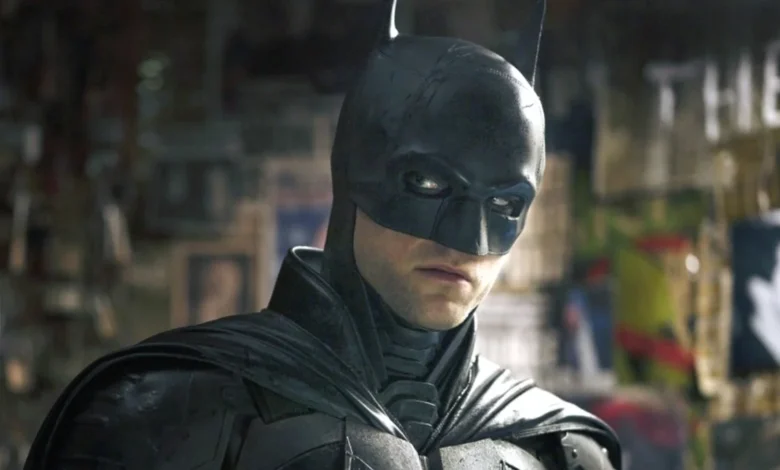
The landscape of modern blockbuster filmmaking shifted significantly this week as Warner Bros. and DC Studios confirmed a rare, collaborative transition in the production of The Batman Part II. Acclaimed director Steven Soderbergh has been tapped to oversee the final weeks of principal photography on the highly anticipated sequel, stepping in to support writer-director Matt Reeves, who has been forced to take an immediate leave of absence to attend to an urgent, ongoing family matter. This development, first reported by Deadline, marks a departure from traditional studio replacement practices, emphasizing a partnership rather than a substitution of creative vision.
A Chronology of the Production
The production of The Batman Part II has been a centerpiece of the DC Studios slate since its announcement. Following the critical and commercial success of the 2022 predecessor—which grossed over $770 million worldwide—expectations for the sequel reached a fever pitch. Principal photography commenced in June 2026, with Reeves establishing a rigorous visual language intended to deepen the noir-drenched atmosphere of Gotham City.
However, the production has faced several hurdles, including industry-wide scheduling adjustments that pushed the release date back to early 2028. As the production entered its final phase—a critical period for capturing complex sequences involving the film’s expansive ensemble cast—Reeves encountered a personal situation requiring his full attention. Recognizing the need for a seasoned professional capable of maintaining the specific, "rigorously coherent" tone established by the first film, the studio and Reeves reached out to Soderbergh. The transition is currently in effect, with both directors remaining in consistent communication to ensure the final footage aligns with Reeves’ original vision.
Official Statements and Professional Coordination
The nature of this collaboration is distinct in its transparency. Warner Bros. and DC Studios issued a formal statement clarifying the arrangement, emphasizing that the decision was made with the "full support" of the studio hierarchy. The statement reads, "As Matt Reeves continues to attend to an ongoing family matter, Steven Soderbergh, as an admirer of Matt’s work, approached Matt and will step in… to help the writer-director complete the final weeks of principal photography on The Batman – Part II."
Soderbergh, a director renowned for his technical precision and ability to work within various genres, provided his own perspective on the appointment. "I thought Matt Reeves’ work on The Batman was stunning; it was intentional, specific, and rigorously coherent," Soderbergh stated. "The goal here is to work with Matt and his team to generate footage that will integrate seamlessly with what’s already been shot so Matt can properly finish his film."
This emphasis on "seamless integration" suggests that the production is prioritizing technical continuity above all else. While it remains unclear if Soderbergh will seek a formal co-directing credit, industry analysts note that the primary focus is the completion of the film’s photography phase, after which Reeves is expected to resume full control of the post-production process, including editing, sound design, and color grading.
Contextualizing the Collaboration
To understand the significance of this move, it is necessary to examine the historical precedent of "director swaps" in the superhero genre. The most notable example remains the 2017 production of Justice League, where Zack Snyder was replaced by Joss Whedon during post-production. That event became a lightning rod for controversy, with cast members, including Ben Affleck, later criticizing the studio for how they handled the transition following a personal tragedy in Snyder’s life.

In contrast, the current situation with The Batman Part II appears to be a collaborative effort designed to protect the integrity of the project rather than pivot away from it. By bringing in a director of Soderbergh’s caliber—a filmmaker who has long championed the "intentional" and "specific" directorial style Reeves is known for—the studio is effectively signaling a commitment to the franchise’s established identity. Unlike the Justice League scenario, where the studio sought to fundamentally change the tone of the film, this move is framed as an act of stewardship, with the incoming director acting as a temporary custodian of an existing vision.
Production Data and Talent Roster
The Batman Part II features one of the most robust ensemble casts in recent DC history. Robert Pattinson returns as the titular Bruce Wayne, with Andy Serkis reprising his role as Alfred Pennyworth and Colin Farrell returning as the Penguin, following the success of his own spinoff series. The sequel also introduces several high-profile additions, including Scarlett Johansson, Sebastian Stan, and Brian Tyree Henry.
The logistical challenge of managing such a high-caliber cast during a directorial transition is immense. Principal photography, which has been ongoing since the summer of 2026, involves complex location work and intricate stunt sequences. The production budget, while not officially disclosed, is estimated to be in the range of $200–$250 million, reflecting the studio’s massive investment in the property. The current goal is to conclude the remaining photography to keep the February 18, 2028, release window viable. Whether the production will require a further delay remains a point of speculation among box office analysts, though industry reports indicate that the schedule has been managed with enough buffer time to accommodate such unforeseen circumstances.
Implications for the DC Studios Slate
This event highlights the evolving nature of studio management under the current DC Studios leadership. The willingness to be transparent about a director’s temporary absence suggests a more communicative approach to public relations than seen in years past. Furthermore, the selection of Steven Soderbergh—a director who is generally considered an "auteur" rather than a "studio hand"—reflects a desire to keep the film’s quality high rather than simply rushing to completion.
From an economic perspective, the stability of the Batman brand is crucial for Warner Bros. Discovery. The franchise is the anchor for the studio’s theatrical output, and the success of The Batman Part II is vital for the long-term health of the DC cinematic ecosystem. By ensuring that the vision remains consistent despite the disruption, the studio is attempting to mitigate the risks associated with production delays.
Looking Ahead: The Path to 2028
As the industry watches the final weeks of production unfold, the focus will likely remain on how effectively the "hand-off" between Reeves and Soderbergh is executed. For film historians and analysts, this represents a unique case study in collaborative filmmaking—a rare instance where the ego of the director is subordinate to the requirements of the narrative continuity.
The success of this endeavor will depend on the ability of the cast and crew to adapt to a temporary change in leadership. However, given the professional respect that exists between Reeves and Soderbergh, and the stated support of the studio, the outlook remains positive. The film is currently slated to be one of the major tentpoles of the 2028 calendar, and with the principal photography phase nearing its conclusion, the focus will soon shift toward the editing suite, where Matt Reeves will once again take the reins to finalize what is expected to be a definitive entry in the Batman canon.
Ultimately, the situation underscores the vulnerability of even the most massive film productions to the realities of life. The decision to prioritize Reeves’ personal well-being while ensuring the continuity of his creative work marks a notable shift in studio culture, potentially setting a new standard for how major franchises handle unexpected disruptions in the future. As of this writing, there have been no further changes to the production schedule, and the cast remains in place, continuing the work required to bring the next chapter of Gotham’s history to the big screen.