Freddie Prinze Jr. Discusses Horror Legacy, Villainous Roles, and Halloween Traditions on Bacardi and Uproxx Series Good Spirits

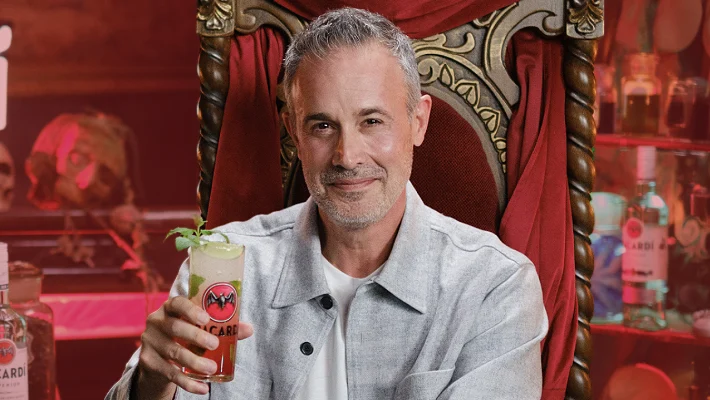
Actor Freddie Prinze Jr., a fixture of late-1990s and early-2000s cinema whose career spans blockbuster horror franchises, iconic teen romantic comedies, and beloved animated adaptations, recently appeared as a featured guest on the digital interview series Good Spirits. The collaborative production, developed jointly by rum brand Bacardi and entertainment media platform Uproxx, pairs celebrated figures from the horror genre with bespoke cocktails to discuss seasonal lore, personal histories, and industry experiences. During his appearance, Prinze offered extensive insights into his lifelong affinity for the horror genre, detailed his enduring childhood admiration for HBO’s landmark anthology series Tales from the Crypt, and reflected on the nuances of shifting from heroic leading man archetypes to antagonist roles within contemporary slasher cinema.
The interview highlights Prinze’s comprehensive familiarity with Halloween culture and horror tropes, drawing on a filmography that includes major contributions to the genre. As a central figure in modern horror history, Prinze’s commentary provides industry analysts and genre enthusiasts alike with a unique perspective on the evolution of cinematic fear, the mechanics of franchise longevity, and the cultural rituals surrounding the Halloween holiday.
Main Facts and Core Conversation Highlights
The conversation on Good Spirits centers on Prinze’s personal and professional relationship with horror, bridging his early fandom with his decades-long career in Hollywood. Among the primary subjects addressed during the broadcast are the actor’s preferred seasonal libations, his formative television influences, and his long-held professional ambitions regarding character alignment.
Prinze introduced viewers to his signature Halloween cocktail, playfully dubbed the "Spookito," a seasonal variation of the classic mojito tailored for autumn gatherings. Beyond mixology, the dialogue quickly pivoted toward television history, specifically focusing on the profound impact that the HBO series Tales from the Crypt exerted on Prinze during his youth. Running from 1989 to 1996, the horror-anthology series based on the EC Comics publications provided the young actor with a masterclass in atmospheric storytelling, dark humor, and practical monster effects. Prinze went so far as to identify the series’ iconic host, the Crypt Keeper, as a childhood hero, equating the cultural and artistic significance of Tales from the Crypt for horror aficionados to the monumental impact that Saturday Night Live held for devotees of sketch comedy.
A significant portion of the interview was dedicated to unpacking Prinze’s casting trajectory. Despite achieving international stardom in the late 1990s as the quintessential romantic lead—earning widespread recognition in films such as She’s All That and Head Over Heels—Prinze revealed that his professional aspirations initially leaned toward villainy rather than heroism.
Chronology and Professional Evolution in the Horror Genre
To fully contextualize Prinze’s statements regarding his career trajectory, it is necessary to examine the chronological milestones that defined his rise to prominence in Hollywood and his subsequent integration into the horror genre.
In the mid-to-late 1990s, the teen movie renaissance catalyzed a high demand for youthful, charismatic actors capable of anchoring commercial studio releases. Prinze secured his breakthrough role in the 1997 slasher film I Know What You Did Last Summer, directed by Jim Gillespie and written by Kevin Williamson. The film capitalised on the commercial success of Wes Craven’s Scream (1996), revitalizing the teen slasher subgenre and making household names of its young ensemble cast, which included Jennifer Love Hewitt, Ryan Phillippe, and Sarah Michelle Gellar. Prinze portrayed Ray Bronson, a young fisherman caught up in a web of lethal secrets and stalked by a hook-wielding adversary.
Following I Know What You Did Last Summer, Prinze reprised his role in the 1998 sequel, I Still Know What You Did Last Summer. During this foundational period, he also transitioned into romantic comedy, starring in She’s All That (1999), which became a defining cultural artifact of the era. Throughout the early 2000s, Prinze balanced various genres, including a memorable turn as Fred Jones in the live-action theatrical adaptations of Scooby-Doo (2002) and Scooby-Doo 2: Monsters Unleashed (2004), further cementing his association with mystery, investigation, and pop-culture creature features.
Decades later, the horror landscape underwent a wave of legacy sequels, reboots, and meta-narrative revivals. This shift created an opportunity for Prinze to fulfill his long-standing professional ambition: portraying a cinematic villain. In the continuation of the I Know What You Did Last Summer franchise, Prinze secured the role of the antagonist. Reflecting on this career milestone during the Good Spirits interview, the actor expressed immense satisfaction, noting that stepping into the shoes of the villain was the primary motivating factor behind his decision to join the project.
"Being a bad guy in a movie was always my dream when I started in this business," Prinze stated during the episode. "My career went a different path, and I was always the sweet boy that you wanted to take your daughter to the prom. I did get to be the bad guy in the new I Know What You Did Last Summer, and it was awesome. It was the reason I did the movie."
Supporting Data and Behind-the-Scenes Traditions
In addition to his professional credits, the Good Spirits episode explored Prinze’s domestic life and his family’s elaborate annual Halloween celebrations. The actor provided a detailed breakdown of how he and his household curate their October festivities, offering a glimpse into the logistical planning required to host a successful themed gathering.
The discussion touched on several key elements of the Prinze family celebration, including:
- The grand entrance choreography designed to set an eerie tone for arriving guests.
- The meticulous compilation of seasonal playlists intended to maintain a festive yet haunting atmosphere throughout the evening.
- The identification of the single largest "party foul" capable of disrupting the household’s carefully orchestrated Halloween events.
A point of particular interest for pop-culture historians during the segment was whether the ubiquitous late-90s anthem "Kiss Me" by Sixpence None the Richer—cemented in cinematic history by its prominent placement in She’s All That—is permitted on the household’s Halloween playlist rotation. Prinze playfully maintained an aura of mystery regarding the track’s inclusion, encouraging audiences to view the full episode to discover whether the romantic ballad survives the rigorous vetting process for a spooky-themed evening.
Official Responses, Industry Reception, and Brand Collaboration
The partnership between Bacardi and Uproxx to produce Good Spirits represents a growing trend in digital marketing and content creation: the fusion of branded entertainment with pop-culture nostalgia. By leveraging recognizable figures from genre film and television, brands can engage consumers through authentic storytelling and casual, conversational formats.
Industry observers note that horror remains one of the most reliable and culturally resonant genres in entertainment, boasting a dedicated global fanbase that values deep-cut references, behind-the-scenes anecdotes, and talent-driven retrospectives. Prinze’s participation in the series aligns with his ongoing engagement with his fan base through various digital platforms, podcasts, and convention appearances, where he frequently discusses his career in 90s cinema and his lifelong passion for geek culture, video games, and genre fiction.
Representatives for the production noted that the selection of guests for Good Spirits is deliberate, focusing on individuals whose real-world interests and professional histories intersect organically with the themes of Halloween, folklore, and celebratory gatherings. Prinze’s extensive résumé—spanning traditional slashers, mystery-solving animation, and contemporary genre revivals—positioned him as an ideal candidate to discuss the cultural weight of the holiday.
Broader Impact and Implications for the Horror Genre
Freddie Prinze Jr.’s reflections on Good Spirits offer a broader commentary on the cyclical nature of Hollywood franchises and the psychological appeal of antagonist roles for actors traditionally typecast as wholesome protagonists.
The willingness of actors from the 1990s teen-horror boom to return to their roots—often subverting their original personas by playing villains or victims in meta-narratives—reflects a maturing industry that actively deconstructs its own history. As legacy sequels continue to dominate box office projections and streaming metrics, performers who once defined the genre are finding new avenues for creative expression. For Prinze, transitioning from the besieged boyfriend of the 1990s to the narrative antagonist in modern horror revivals illustrates a successful evolution within an industry that frequently struggles to reinvent its former teen idols.
Furthermore, the emphasis on domestic traditions, community gatherings, and seasonal mixology highlighted in the Uproxx and Bacardi series underscores the cultural endurance of Halloween as a major economic and social driver. As consumer spending on seasonal entertainment, parties, and themed merchandise continues to expand annually, content that bridges classic horror nostalgia with modern lifestyle trends serves as a vital touchstone for audiences seeking both comfort and fright.
Viewers interested in replicating the Prinze family’s hospitality approach or studying the actor’s commentary on horror history can stream the complete episode of Good Spirits across Uproxx’s digital networks and associated streaming platforms.