The landscape of modern television and cinema is currently undergoing a significant resurgence of interest in vampire mythology, with high-profile projects such as AMC’s adaptation of Interview with the Vampire, the box-office success of Robert Eggers’ Nosferatu, and the forthcoming feature film Sinners signaling a renewed audience appetite for gothic horror. Amidst this cultural cycle, prolific producer Ryan Murphy has confirmed his next creative endeavor: a series titled Brides of Blood, which will shift the focus away from the traditional central figure of Count Dracula to explore the narratives of his enigmatic, immortal consorts.
The announcement, detailed in a recent interview with Vanity Fair, marks a notable departure for Murphy, who has spent the better part of the last decade defining the aesthetic of contemporary horror television through his work on American Horror Story, Monster, and Scream Queens. While the figure of the vampire has flirted with the edges of his filmography—most notably through Lady Gaga’s portrayal of The Countess in American Horror Story: Hotel—this new project represents his first dedicated foray into the traditional Bram Stoker-inspired lore of the nineteenth century.
Chronology of a Creative Shift
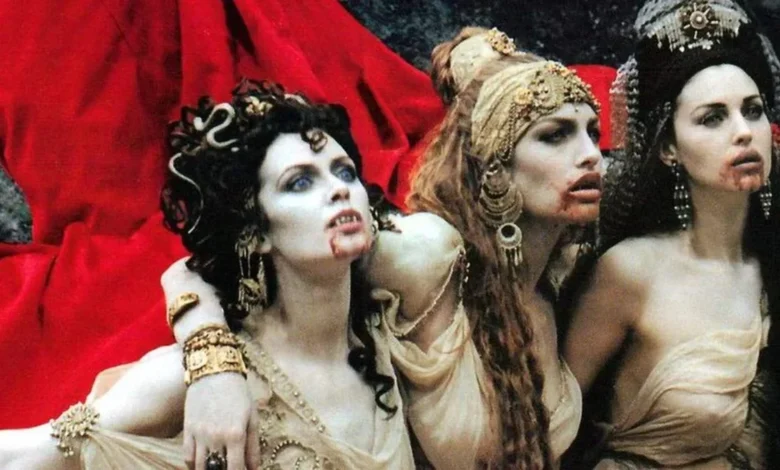
The genesis of the vampire narrative in popular media dates back to John Polidori’s The Vampyre (1819) and reached its zenith with Bram Stoker’s 1897 novel, Dracula. Throughout the twentieth century, the "Brides of Dracula"—the three female vampires who reside within the Count’s castle—have often been relegated to supporting roles or visual shorthand for the Count’s predatory nature.
The timeline of modern attempts to revitalize these characters is extensive. In 2020, showrunner Robert Aguirre-Sacasa, known for his work on Riverdale, pitched a project centered on the Brides to NBC. That pilot, which aimed to modernize the mythology, ultimately failed to move beyond the development stage. Murphy’s project, however, enters a media landscape that has become increasingly hospitable to dark, character-driven supernatural dramas. Production for Brides of Blood is scheduled to commence this December in Europe, a location that mirrors the historical and atmospheric roots of the source material.
Defining the Brides of Blood Narrative
Murphy’s interest in the project stems from a personal connection to the source material, citing a shared appreciation for the genre with his grandmother. In his statement to Vanity Fair, he noted, "I’m making a vampire tale called Brides of Blood, so I can pay homage to my grandmother and what she loved—what we loved together."
The thematic direction of the series suggests a divergence from the grittier, more visceral tone of recent horror hits. Murphy contrasted the project with the intensity of his existing portfolio, suggesting that while he remains committed to high-stakes storytelling, he intends to offer a variety of tones to his audience. He characterized the approach as being distinct from the darker, more polarizing narratives often associated with his brand, aiming for a production that functions as a sophisticated, atmospheric, and perhaps more stylized entry into the vampire canon.
The Evolution of Vampire Popularity in Media
Data regarding the success of supernatural horror suggests that the genre is currently experiencing a peak in commercial viability. According to industry tracking metrics, horror remains one of the most cost-effective and high-return genres for both streaming platforms and theatrical distributors. The success of the Interview with the Vampire series, which earned critical acclaim for its nuanced exploration of immortality and power dynamics, suggests that audiences are increasingly seeking character-focused dramas that use the vampire as a lens for exploring themes of identity, trauma, and history.
The decision to focus on the Brides—a trio that typically operates as a collective entity—opens up significant narrative opportunities. In literature and previous adaptations, the Brides are defined by their hunger and their complex, often subservient relationship to the Count. A series dedicated to them suggests a shift toward the "anti-heroine" or the "villain-protagonist" archetype, which has been a staple of recent television successes. By centering the narrative on these figures, Murphy has the creative agency to explore their origins, their agency, and their existence outside of the shadow of their master.
Industry Implications and Production Expectations
While official casting has not yet been announced, speculation within the industry centers on the likelihood of Murphy utilizing his established stable of frequent collaborators. His production companies have historically relied on a core group of actors who are adept at navigating his signature blend of camp, high drama, and visceral horror. The casting of the three leads will be critical to the project’s success, as the dynamic between the Brides is the cornerstone of the classic mythology.
From a distribution perspective, the project is widely expected to find a home on Netflix, given the extensive and lucrative production deal Murphy maintains with the streamer. Such a partnership would provide the budget necessary for high-end production design, which is essential for a period-piece vampire drama filmed in Europe.
The Role of Thematic Innovation
The project’s potential success rests on its ability to distinguish itself from the saturated market. With the vampire sub-genre being as old as film itself, the challenge lies in avoiding tropes that have become overly familiar. The shift toward the female perspective of the Brides of Blood allows for a potential subversion of the "damsel in distress" or the "temptress" archetype.
Analysis of Murphy’s past work indicates a propensity for visual excess and a focus on the subculture of the outcasts. In the context of 19th-century gothic horror, this could manifest as an exploration of gender roles, the constraints placed upon women during the Victorian era, and the violent liberation that vampirism represents within the lore. This thematic depth, if executed with the care Murphy has applied to his recent true-crime explorations, could elevate the series from a standard genre entry to a critical success.
Future Outlook and Cultural Impact
As filming approaches, the industry will be watching to see how Murphy balances his established "Murphy-esque" aesthetic—characterized by saturated color palettes, rhythmic dialogue, and sudden shifts in tone—with the traditional gothic requirements of a Stoker-inspired tale. If successful, Brides of Blood could establish a new template for "legacy horror," where established literary characters are revisited through a contemporary, character-first lens.
The project represents a calculated move to capitalize on the current resurgence of the vampire genre while asserting a unique creative voice. By shifting the focus from the titular Count to his Brides, Murphy is not merely retelling a classic story; he is expanding the scope of the mythos. As the production moves into its primary phase in Europe this winter, the details regarding the series’ plot, tone, and visual style will remain among the most anticipated developments in the horror television landscape for the coming year. Whether the show will lean into the campy, "white wine" fun described by its creator or embrace the darker roots of the horror genre, the arrival of Brides of Blood marks a definitive moment in the ongoing evolution of the vampire in modern entertainment.