Freak War Aims to Disrupt the Party Game Market by Merging Trading Card Mechanics with Accessible Chaos

The landscape of tabletop gaming is currently witnessing an intriguing intersection between the high-investment world of Trading Card Games (TCGs) and the low-barrier appeal of social party games. Sheltonshire Games, the publisher behind the new project Freak War, has officially launched a Kickstarter campaign that seeks to capture the excitement of monster-battling franchises while stripping away the complex deck-building requirements that often alienate casual players. Designed by cartoonist Nate Galbraith—professionally known as sketchnate—the game functions as a hybrid system that draws inspiration from the classic playing card game War, the evolving creature mechanics of Pokémon, and the unpredictable, interactive design of modern hits like Exploding Kittens.
Origins and Conceptual Development
The genesis of Freak War lies in an informal observation made by Galbraith. While observing children attempting to simulate complex Pokémon-style battles using nothing but standard Uno cards, Galbraith recognized a gap in the market. The children were attempting to impose a structured narrative of conflict onto a game system that lacked the necessary depth, while simultaneously avoiding the prohibitive cost and rule-heavy nature of professional TCGs.
Galbraith suggested they pivot to the classic game of War, a game predicated on simple numerical comparison. However, the cartoonist saw the potential for a more robust experience. By injecting a theme of bizarre, mutated creatures into a card-battling framework, Galbraith began drafting what would become Freak War. The core concept was to maintain the simplicity of the draw-and-compare mechanic while layering in "take-that" mechanics, evolution chains, and modifier cards that allow players to dynamically influence the outcome of a battle.
Mechanics and Gameplay Structure
At its core, Freak War is designed for groups of up to four players, though the game is flexible enough to accommodate larger numbers. The gameplay is primarily driven by a deck-splitting mechanic; players receive an equal portion of the deck, eliminating the need for time-consuming deck construction. This design choice aligns with contemporary trends in "pick-up-and-play" gaming, where consumers increasingly favor experiences that can be initiated within minutes of unboxing.
The game offers two primary modes: War and Battle. In the War mode, gameplay is rapid and chaotic, focusing on the luck of the draw. The Battle mode introduces a higher level of strategic depth, requiring players to make tactical choices from the cards in their hand rather than relying solely on the top card of their deck. Furthermore, these modes can be modified by supplemental rule sets such as King of the Hill or team-based variations, providing replayability for varied social settings.
The combat resolution follows a straightforward logic: players simultaneously reveal their chosen creatures, and the creature with the highest attack value claims the pot. In the event of a tie, players must discard a card and re-engage, mirroring the "war" mechanic of traditional card games. The ultimate objective is to secure all cards from opponents, effectively accumulating a win pile that is eventually cycled back into the player’s personal deck.
Thematic Elements and Artistic Influence
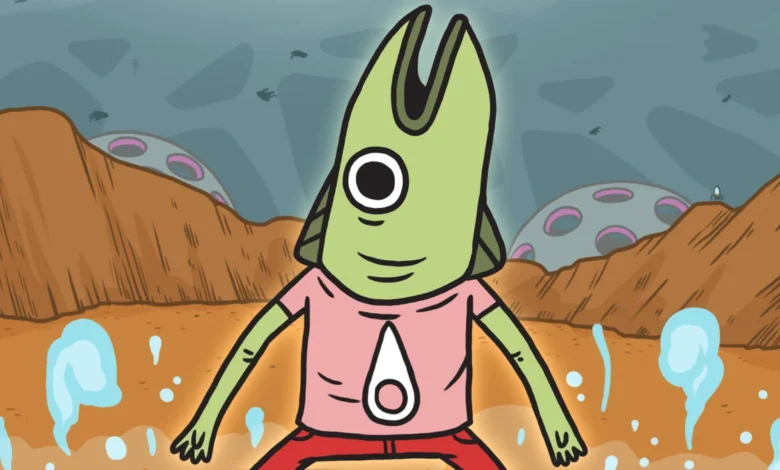
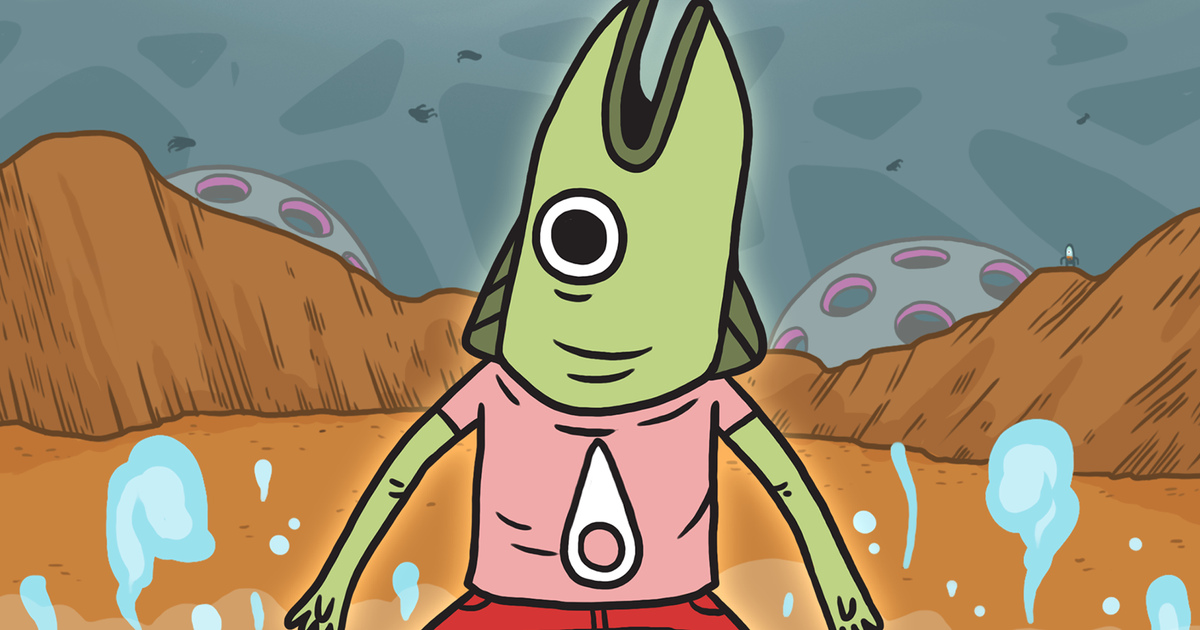
The lore of Freak War centers on an environmental shift triggered by the appearance of a second sun. This celestial event serves as the catalyst for the mutations that define the game’s creature roster. The artwork, produced by Galbraith, leans into the surreal and the absurd. Players will encounter a diverse array of mutated fauna, including fish-people with enhanced musculature, time-traveling tigers, and creatures as unconventional as a dog with a goldfish bowl for a head.
This thematic approach serves a dual purpose: it creates a distinct brand identity in a crowded market and allows for "meta" humor. For instance, specific creature cards, such as "Fly Guy," include environmental triggers where their power level fluctuates based on the presence of actual food in the gaming area. This inclusion of physical-world interaction is a staple of modern party games, designed to blur the line between the table and the environment, thereby fostering social engagement.
Crowdfunding and Financial Context
The Kickstarter campaign for Freak War launched with a modest financial goal of $10,000. As of mid-May, the project has successfully cleared its initial funding threshold, signaling a clear demand for light-hearted, affordable tabletop experiences. Priced at approximately $20 per deck, the game positions itself as an impulse buy for hobbyists and a gateway product for families.
The current funding period is scheduled to conclude on June 13. Following the close of the campaign, Sheltonshire Games anticipates a production and fulfillment timeline that targets a June 2025 delivery date for backers. This long-lead schedule is typical for independent game developers who must account for international logistics, manufacturing lead times, and the complexities of global distribution.
Market Implications and Competitive Analysis
The party game sector has been dominated for over a decade by titles like Cards Against Humanity, which popularized a "black-box" style of offensive humor. However, market data suggests a growing trend of "post-offensive" gaming. Consumers are increasingly migrating toward titles that prioritize mechanical engagement, artistic expression, and inclusive fun over shock value.

Freak War occupies a space that is theoretically competitive with the "filler game" market—a category of games meant to be played in 10 to 15 minutes between longer sessions. By utilizing a TCG-style layout, the game benefits from the visual language players already associate with Pokémon and Magic: The Gathering. This visual familiarity reduces the learning curve significantly, as players instinctively understand that a higher number or a special symbol indicates a superior card.
However, the game faces challenges regarding long-term retention. Unlike traditional TCGs, which thrive on the "collectibility" and secondary market value of rare cards, Freak War is marketed as a closed-system experience. Its success will depend on whether the community finds the core gameplay loop sufficiently satisfying to return to after the initial novelty of the creature designs fades.
Broader Industry Context
The rise of hybrid card games like Freak War reflects a broader shift in tabletop gaming toward accessibility. Over the last five years, the industry has moved away from the "gatekeeping" culture of complex rulebooks, embracing streamlined mechanics that allow for immediate play. This democratization of the hobby has been accelerated by social media platforms, where creators like Galbraith can build communities directly around their artistic output.
Furthermore, the integration of Kickstarter as a standard distribution channel for independent games has allowed developers to mitigate the risks of traditional publishing. By funding directly through the end-user, creators can maintain creative control over their unique, often niche, visions. In the case of Freak War, the campaign serves as a proof-of-concept for the "sketchnate" brand, suggesting that there is a viable path for artists to translate their visual style into functional, interactive tabletop products.
Conclusion and Future Outlook
As the campaign enters its final weeks, the focus for Sheltonshire Games will shift from promotion to the logistics of manufacturing. The inclusion of various expansion packs—ranging from buff penguins to peculiar snails—indicates that the developer intends to support the game with a modular content strategy.
Whether Freak War can achieve the sustained longevity of industry titans remains to be seen. However, as an exercise in design, it represents a successful synthesis of disparate gaming traditions. By stripping away the administrative burden of deck-building and focusing on the immediate gratification of combat-based party play, Nate Galbraith has positioned his project to appeal to a broad demographic. For families and casual gaming groups, the proposition of a low-cost, high-chaos card game that provides a creative twist on classic mechanics appears to be a compelling addition to the 2025 gaming calendar. The project serves as a reminder that in the crowded world of tabletop entertainment, sometimes the most successful ideas are those that return to the fundamental joy of simply flipping a card and seeing what happens next.