Microsoft Hands Halo Franchise to Activision in Major Strategic Restructuring of Xbox Operations

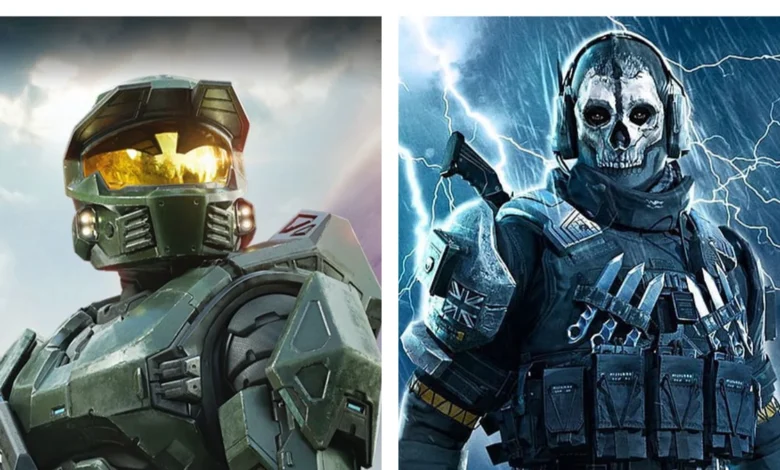
In a move that signals a profound shift in the architectural and operational hierarchy of Microsoft’s gaming division, the company has announced that the Halo franchise, long considered the crown jewel of the Xbox platform, will transition under the management of Activision. This organizational realignment comes alongside a broader restructuring of internal studios, including Rare Limited and World’s Edge, as Microsoft navigates a period of significant workforce reductions and internal reorganization under the guidance of new Xbox CEO Asha Sharma.
A New Chapter for the Master Chief
The transfer of Halo from its dedicated studio—which has seen substantial downsizing—to Activision marks the end of an era for the series’ internal development. While a skeleton crew will remain at the legacy studio to provide maintenance and ongoing support for existing titles such as Halo Infinite and The Master Chief Collection, the future of the franchise’s development will now be overseen by the teams responsible for the Call of Duty series.
This decision arrives after years of turbulent development cycles for the Halo brand, most notably the protracted and difficult production of Halo Infinite, which faced multiple delays and significant technical challenges before its eventual release in 2021. By folding the franchise into the Activision ecosystem, Microsoft is effectively leveraging a studio infrastructure that has historically demonstrated a high-frequency, high-output production model.
Chronology of the Restructuring
The current consolidation is the latest phase in a series of dramatic organizational changes within Microsoft Gaming. Following the acquisition of Activision Blizzard in a deal valued at approximately $69 billion, Microsoft has faced the arduous task of integrating massive development teams into its existing corporate structure.
The timeline of these changes can be traced back to early 2024, when Microsoft initiated a round of layoffs affecting 1,900 employees across its gaming divisions. This was followed by the announcement in mid-2024 that CEO Asha Sharma would spearhead a "reset" of Xbox operations. The latest phase of this initiative involves the following movements:
- Q3 2024: Announcement of a "reset" strategy by CEO Asha Sharma, targeting structural inefficiencies.
- Late 2024: Confirmation of further workforce reductions, totaling over 1,600 additional layoffs across Microsoft gaming subsidiaries.
- Current Date: Formal transition of Halo, Rare (developers of Sea of Thieves), and World’s Edge (developers of Age of Empires) under the direct operational umbrella of Activision.
Strategic Rationale and Corporate Objectives
The pivot toward centralizing development resources under the Activision banner appears to be a direct response to Microsoft’s broader fiscal requirements. Industry analysts have pointed to the immense capital expenditure Microsoft is currently pouring into its artificial intelligence infrastructure and data center expansion. With billions of dollars diverted toward AI, the gaming division is under increasing pressure to demonstrate consistent profitability and operational efficiency.
The integration of studios like Rare and World’s Edge into the Activision umbrella suggests that Microsoft intends to streamline its intellectual property management. By centralizing these diverse franchises—ranging from first-person shooters to real-time strategy games—within a single management layer, the company aims to reduce administrative overhead and cross-pollinate development talent.
Official Statements and Industry Reception
In a formal statement addressing the transition, Rob Kostich, President of Activision, framed the move as a commitment to the longevity of the acquired franchises.
"We are thrilled to welcome Halo, Rare, and World’s Edge to Activision," Kostich stated. "It is an honor and a responsibility that we do not take lightly. These teams and their games have inspired fans around the world for decades. For Halo, our goal is clear: make the greatest Halo game ever, worthy of its universe and legacy, while staying true to what made players love it in the first place. It is a bold ambition, one that this franchise deserves. We have already begun assembling a purpose-built team, unique in capability and talent, ready and excited to deliver this next chapter with the community."
Despite the optimistic tone of the announcement, the reaction from the broader gaming community has been polarized. Long-time Halo enthusiasts have expressed concern regarding the change in creative direction. Activision’s reputation for aggressive monetization and the "annualized" release cadence of the Call of Duty series has led some to fear that the unique identity of Halo may be diluted. Conversely, others argue that the franchise has struggled to find its footing for nearly a decade and that a total overhaul of the development process is a necessary, albeit painful, evolution.
Financial and Market Implications
The gaming market is currently witnessing a consolidation trend of unprecedented scale. Microsoft’s strategy appears to be focused on creating a "juggernaut" model—a centralized, massive entity capable of outputting high-value content at a scale that independent or mid-sized studios cannot replicate.
However, the financial results of this strategy remain under scrutiny. Despite the acquisition of massive franchises like Fallout, The Elder Scrolls, and now the full integration of Halo and Call of Duty, Microsoft has yet to report a transformative surge in gaming revenue that justifies the massive capital outlay of its recent acquisitions. The "all-in" strategy relies on the assumption that market dominance in content will eventually drive subscription growth for Xbox Game Pass and hardware sales.
Fact-Based Analysis of the "Reset"
The move to reduce the headcount at Halo Studios—formerly known as 343 Industries—represents a shift from a "standalone studio" model to a "shared resource" model. By stripping the studio down to a maintenance-only role, Microsoft is signaling that the era of a single, siloed team spending years on one Halo project is over.
This restructuring carries significant implications for the industry at large:
- Standardization of Development: The integration of diverse teams into Activision suggests that Microsoft is moving toward a standardized development pipeline, likely utilizing shared assets, engines, and project management methodologies across all its major studios.
- Resource Allocation: By focusing the remaining Halo staff on upkeep, Microsoft is prioritizing the maintenance of "live service" revenue streams while shifting the burden of new, high-risk development to the Activision-led teams.
- The AI Nexus: There is a growing narrative within financial circles that Microsoft’s gaming division must prove its worth in the context of the company’s broader AI-driven growth. If gaming cannot sustain itself through high-margin, high-volume releases, it risks further austerity measures as Microsoft prioritizes its more lucrative cloud and AI sectors.
Looking Ahead
The coming years will be critical in determining whether the transfer of Halo to Activision was a strategic masterstroke or a misstep that alienates the franchise’s core audience. For the Halo series, which has been a pillar of the Xbox brand since the launch of the original console in 2001, the stakes could not be higher.
The success of this transition will likely be measured by the ability of the new development team to balance the high-octane, multiplayer-focused sensibilities of the Activision house style with the narrative-driven, sci-fi legacy that defined the original Halo trilogy. As Microsoft continues to navigate the complexities of its massive portfolio, the company’s ability to foster creative health amidst a climate of drastic corporate downsizing remains the central question for stakeholders and players alike.
Whether this consolidation results in a resurgence for Halo or a further erosion of the brand’s unique identity, the move marks a definitive point of no return in the history of one of the most recognizable names in interactive entertainment.