Market Performance and Weekly Rankings
According to the latest data provided by Famitsu, the retail landscape remains heavily skewed toward Nintendo’s ecosystem, both in terms of current-generation hardware and the highly anticipated successor console, colloquially referred to as the "NSw 2." During the week of September 7-13, the top-ranked title was Nintendo’s Rhythm Heaven Groove, which achieved a monumental milestone by crossing the one-million-copy threshold in total sales, cementing its status as a breakout success of the summer season.
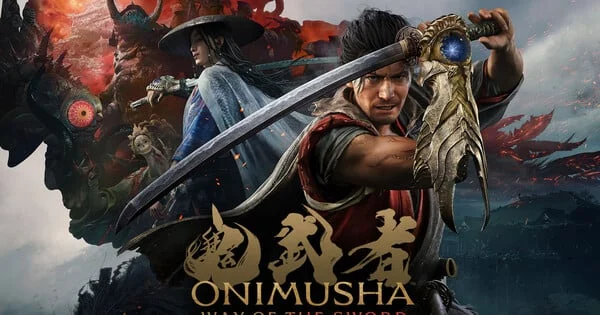
The performance of Onimusha: Way of the Sword is particularly noteworthy for Capcom. The PlayStation 5 version of the title moved 19,654 units during this tracking period, bringing its cumulative total to 96,184 units since its release on September 4. When accounting for the performance of the game on the NSw 2, which added another 7,070 copies to the total, it is clear that Capcom’s tactical action title is performing well across multiple demographics. However, the disparity in sales between the PS5 and the NSw 2 versions suggests that the title is currently finding its primary audience among Sony’s high-fidelity hardware base.
Chronology of the 2026 September Market
The week of September 7-13 followed a high-activity period at the start of the month. On September 10, several new titles entered the fray, including Gakkō de Atta Kowai Hanashi to Tsukikomori (published by D3 Publisher) and the latest iteration of the long-running simulation strategy series, Romance of the Three Kingdoms XIV with Power-Up Kit Complete Edition.
The introduction of these titles caused a minor shift in the bottom half of the top 20, though the top tier remained largely dominated by software released throughout the summer. The consistent performance of titles such as Nintendo’s Splatoon Raiders and the perennial bestseller Minecraft indicates that Japanese consumers are currently prioritizing long-term engagement titles over rapid-cycle software turnover.
Comparative Analysis of Hardware Ecosystems
The data illustrates a dual-track market. On one hand, the original Nintendo Switch continues to provide a massive install base for legacy software and evergreen hits like Minecraft and Super Smash Bros. Ultimate. On the other hand, the NSw 2 is rapidly carving out a space for premium experiences, with titles like Splatoon Raiders and Village in the Shade showing healthy, sustained sales momentum.
The presence of the PlayStation 5 in the top 20, represented by Onimusha and the newly released Romance of the Three Kingdoms XIV, highlights that while Nintendo maintains a numerical advantage in terms of software volume, there is a dedicated segment of the Japanese market that remains firmly committed to the high-performance hardware offered by Sony.
Industry Implications and Publisher Strategies
Capcom’s approach with Onimusha: Way of the Sword—a simultaneous release across both the PS5 and the NSw 2—serves as a case study for modern multi-platform strategy in Japan. By catering to both the high-fidelity expectations of the PlayStation audience and the portability-focused preferences of the Nintendo audience, Capcom has effectively mitigated the risks associated with hardware fragmentation.
Furthermore, the performance of Koei Tecmo’s Romance of the Three Kingdoms XIV demonstrates the continued viability of the "Complete Edition" model. By launching on both the NSw and the PS5 simultaneously, the publisher successfully tapped into two distinct buyer profiles, securing a top-15 position for both versions within their first few days of availability. This reflects a broader trend among major Japanese publishers: maximizing the lifecycle of core intellectual properties by ensuring accessibility across every major hardware platform currently in circulation.
Long-Term Trends: The Million-Seller Benchmark
The most significant headline of the week remains the achievement of Rhythm Heaven Groove. Reaching 1,000,045 units sold within approximately 10 weeks of its July 2 release highlights the enduring power of Nintendo’s first-party lineup. In a market often criticized for its volatility, Rhythm Heaven Groove’s steady climb to the million-unit mark serves as a testament to the effectiveness of Nintendo’s marketing and the inherent appeal of their rhythm-action gameplay loop.
Conversely, the performance of older titles like Minecraft, which has now reached 4,277,487 units, and Splatoon 3, with 4,578,028 units, underscores the phenomenon of "long-tail" sales. In Japan, these titles have transitioned from mere games into cultural staples that new hardware owners purchase as a matter of course. This creates a challenging environment for new intellectual properties, which must compete not only with other new releases but also with a massive library of established, highly discounted, or "must-own" software.
The Role of Niche and Specialty Titles
While major franchises hold the top positions, the list also highlights the niche market’s vitality. Titles like Seifuku Kanojo 3 and Black Wolves Saga: Weiβ und Schwarz represent the strength of the visual novel and adventure genre, which continues to find a loyal, albeit smaller, audience in Japan. These titles, while moving fewer units than the blockbusters, represent a vital component of the retail ecosystem, ensuring that publishers like Entergram and Idea Factory maintain a consistent presence on the charts.
Strategic Outlook for the Remainder of 2026
As the industry moves toward the final quarter of 2026, the data suggests that publishers will continue to balance the release of major sequels with "complete" editions of established hits. The hardware landscape is expected to remain stable, with the NSw 2 continuing to absorb more of the software market share from its predecessor.
For Capcom and other major developers, the success of Onimusha: Way of the Sword provides a blueprint for future releases. The ability to pivot between different hardware strengths—whether it is the graphical fidelity of the PS5 or the accessibility of the NSw 2—will likely be the defining factor for profitability in the coming months.
The retail environment, as tracked by Famitsu, remains a reliable barometer for the industry. While the top of the chart is often predictable, the movement of mid-tier titles provides insight into consumer sentiment and the success of various marketing campaigns. As we look toward the end of September and into October, the industry will be watching to see if any new releases can challenge the dominance of the current top-performing titles, or if the market will continue to consolidate around the current stable of hits.
In summary, the Japanese gaming market currently reflects a period of consolidation. The major players, particularly Nintendo and Capcom, have successfully leveraged their existing brands to maintain high levels of engagement. With the holiday season approaching, the industry is positioned for a period of sustained activity, provided that upcoming software can continue to meet the high expectations of a discerning and increasingly hardware-diverse consumer base. The data from the week of September 7-13 reinforces the reality that in the Japanese market, consistency and brand loyalty remain the most powerful drivers of commercial success.
Related posts: