Say Cheese 2 Unleashes Cursed Analog Horror Worldwide as Frank Palangi Expands His Supernatural Cinematic Universe

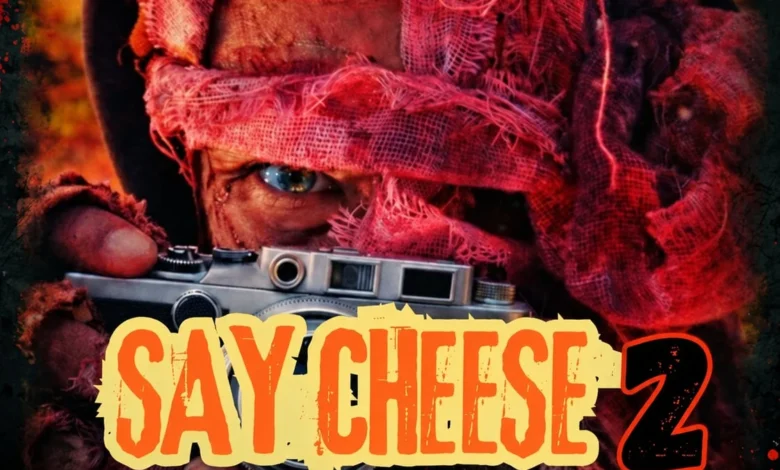
The landscape of independent horror cinema has shifted significantly with the release of Say Cheese 2, the highly anticipated sequel to the supernatural cult hit that redefined the analog horror aesthetic for modern streaming audiences. Directed, written, and edited by multi-hyphenate artist Frank Palangi, the film marks a strategic collaboration between Palangi Films and the distribution powerhouse Cinema Epoch. The sequel is now available for global consumption on Fawesome, an ad-supported streaming platform that provides free access to high-concept genre titles across various digital ecosystems, including Roku, Amazon Fire TV, and major mobile operating systems.
The Evolution of the Cursed Lens
The narrative of Say Cheese 2 continues the trajectory established by its predecessor, focusing on an infamous, cursed 80s-era camera that serves as a conduit for lethal supernatural forces. In the film’s established lore, the device acts as a harbinger of mortality; once the lens captures an image, the subject is marked for an inescapable, harrowing demise. The sequel leans heavily into the "analog horror" subgenre, a movement defined by its commitment to lo-fi aesthetics, VHS-style glitches, and a sense of dread that stems from the familiarity of outdated technology.
By returning to this premise, Palangi has opted to deepen the mythology surrounding the camera. While the first film acted as an introduction to the curse, the second installment aims to peel back the layers of its origin, transforming the device from a mere plot point into an active, malevolent antagonist. The tagline, "It’s not just a camera, it’s death," encapsulates the film’s shift toward a more aggressive, psychological narrative structure that focuses on the countdown to destruction for the central ensemble.
Cast and Creative Production
The production features a tightly knit ensemble cast tasked with navigating the film’s claustrophobic atmosphere. Jolie Wells leads the cast as Cassey, with Aaron Michael Lambert portraying the character of Just Rick. Frank Palangi reprises his role as Jeff, providing continuity between the two films, while Erica James rounds out the core cast as Crystal.
The production process for Say Cheese 2 was marked by a commitment to the "tactile feel" of horror. Palangi has emphasized that the goal was to maintain the authentic, retro texture that resonated with audiences during the first film’s release. By blending practical suspense techniques with the unsettling nature of digital-analog fusion, the production team sought to elevate the stakes, moving from the curiosity of the first film to a "darker, meaner" exploration of inevitability.
Chronology of the Franchise
The journey of the Say Cheese franchise reflects the shifting power dynamics of independent film distribution.
- Phase One: Development of the Original: Frank Palangi, already an established recording artist, leveraged his background in creative production to conceptualize a project that utilized the nostalgia of 80s photography. The original film relied on word-of-mouth growth and the increasing appetite of streaming audiences for low-budget, high-concept horror.
- Phase Two: Critical Reception: Upon its initial release, the first film was lauded for its ability to strip away the comfort of nostalgia, presenting a common, sentimental object—a vintage camera—as a tool for carnage. This success paved the way for a formal partnership with Cinema Epoch.
- Phase Three: The Partnership: The alignment with executive producer Gregory Hatanaka and Cinema Epoch allowed for a wider distribution strategy. Cinema Epoch, known for its extensive catalog of cult and genre cinema, provided the necessary infrastructure to bring the sequel to platforms like Fawesome.
- Phase Four: Global Release: The current release represents the culmination of this partnership, utilizing the Fawesome platform to bypass traditional barriers to entry, ensuring the film is accessible to viewers globally without subscription costs.
Analytical Context: The Rise of Analog Horror
The success of Say Cheese 2 is not an isolated event but rather a reflection of broader trends within the horror industry. Analog horror, a subgenre that gained prominence through viral video platforms and independent filmmakers, relies on the "uncanny valley" effect—the discomfort caused by things that look almost human or normal, but are slightly "off."
Data regarding independent streaming indicates a surge in demand for horror content that prioritizes atmosphere over high-budget visual effects. By utilizing an aesthetic that mimics the flaws of analog recording—tracking errors, static, and chromatic aberration—filmmakers like Palangi can evoke a sense of vulnerability in the viewer. Psychologically, this triggers a primal response to the unknown, as the viewer is forced to fill in the gaps of the low-resolution images provided on screen.
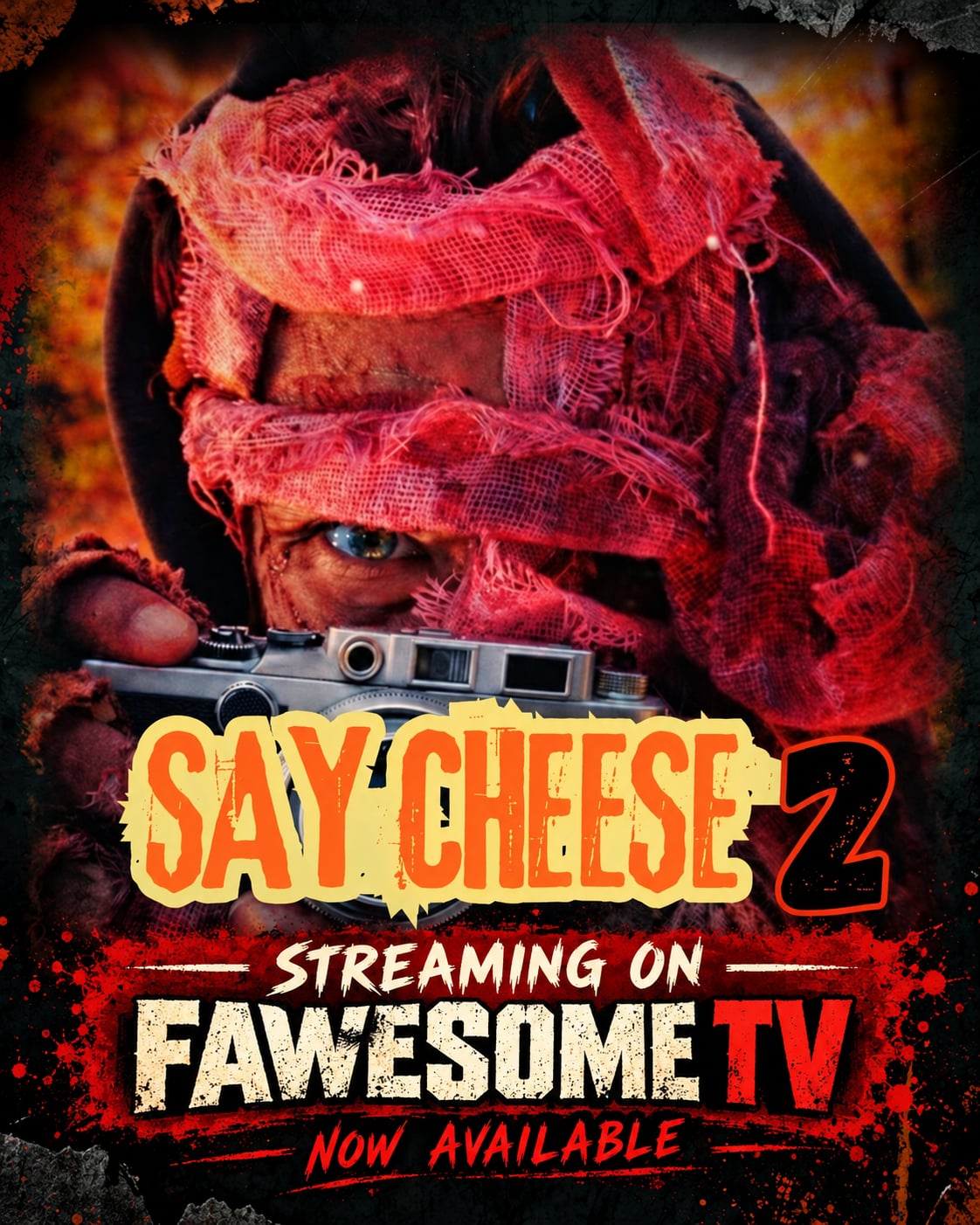
Furthermore, the choice to release on an ad-supported, free-to-watch platform is a strategic response to the current market saturation. With many households experiencing "subscription fatigue," free, ad-supported streaming TV (FAST) services have become the primary growth area for niche genre films. By securing a home on Fawesome, Palangi Films ensures the project reaches a demographic that is likely to engage with horror content but may not be willing to pay for premium streaming services to access independent features.
Official Statements and Industry Impact
In discussions regarding the film’s release, director Frank Palangi highlighted the collaborative nature of the project. "We wanted to expand the lore of the camera while honoring the retro, tactile feel that horror fans fell in love with in the first film," Palangi stated. He noted that the second film was designed to be a significant tonal shift, focusing on the "inevitability of the camera’s curse."
Industry analysts suggest that the model employed by Palangi and Cinema Epoch—combining independent production with targeted, free-to-access digital distribution—is becoming the blueprint for success in the modern indie horror circuit. By controlling the creative vision from script to screen and partnering with distributors who understand the specific needs of genre audiences, filmmakers can sustain a career in a hyper-competitive market.
Broader Implications for Indie Filmmakers
The release of Say Cheese 2 serves as a case study for aspiring filmmakers. It demonstrates that access to global audiences is no longer solely dependent on traditional studio gatekeepers. Instead, by cultivating a distinct visual style and building a brand around a specific subgenre, independent creators can build a loyal audience base.
The film’s availability on major platforms like Roku, Amazon Fire TV, and Apple TV also provides it with the legitimacy required to reach mainstream viewers, effectively bridging the gap between "indie" and "accessible." As the horror genre continues to dominate streaming charts, projects that leverage nostalgia while delivering a unique, self-contained story are likely to remain the most successful.
How to Access the Film
For viewers interested in the supernatural developments of the Say Cheese franchise, the film is currently available for streaming. The digital footprint of the release includes integration with the Fawesome app, which is accessible via the following hardware:
- Smart TVs: Native apps on most major smart television brands.
- Streaming Devices: Roku, Amazon Fire TV, and Apple TV.
- Mobile Devices: Dedicated applications for both iOS and Android.
Interested audiences can view the film directly through the official link provided by the distributor: https://fawesome.tv/movies/10841043/say-cheese-2.
As the horror community continues to digest the sequel, the focus will likely shift toward whether the lore of the cursed camera will be expanded further into a third installment or if the franchise will remain a duology that perfectly encapsulates the analog horror era. For now, the audience is left with the chilling reminder that in the world of Frank Palangi’s creation, every click of the shutter could be a final act.