Why Breaking Bad Season 5 Episode 14 Ozymandias Remains the Pinnacle of Television History

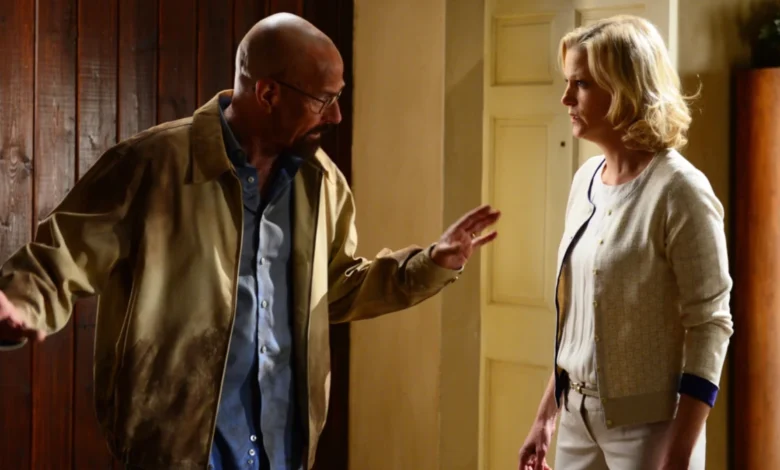
Widely regarded by critics and audiences alike as one of the greatest television series ever produced, Breaking Bad maintained an extraordinary standard of quality throughout its five-season run on AMC. While many critically acclaimed programs—such as HBO’s Game of Thrones—frequently struggle to deliver satisfying conclusions during their final chapters, Vince Gilligan’s crime drama achieved the rare feat of reaching its narrative and dramatic zenith near the very end of its broadcast history. Accumulating numerous accolades, including sixteen Primetime Emmy Awards, two Golden Globes, and two Peabody Awards, the series chronicled the harrowing transformation of high school chemistry teacher Walter White into the ruthless drug kingpin Heisenberg.
Amidst a critically praised final season, Season 5, Episode 14, titled “Ozymandias,” emerged as a masterclass in dramatic storytelling. Directed by acclaimed filmmaker Rian Johnson and written by Moira Walley-Beckett, the episode fundamentally altered the trajectory of the series, shattered its remaining narrative pillars, and established a benchmark for modern television that continues to be analyzed by critics and scholars more than a decade after its initial broadcast on September 15, 2013.
Anatomy of a Turning Point: How Ozymandias Redefined the Series
To understand the profound impact of “Ozymandias,” one must examine the narrative architecture of Breaking Bad leading up to its penultimate episodes. For five seasons, the series charted Walter White’s ascent within the methamphetamine underworld, propelled by a dangerous mix of financial desperation, repressed ambition, and unbridled ego. The consequences of Walter’s actions finally converged in the New Mexico desert in “Ozymandias,” an episode that systematically dismantled every facet of the protagonist’s double life.
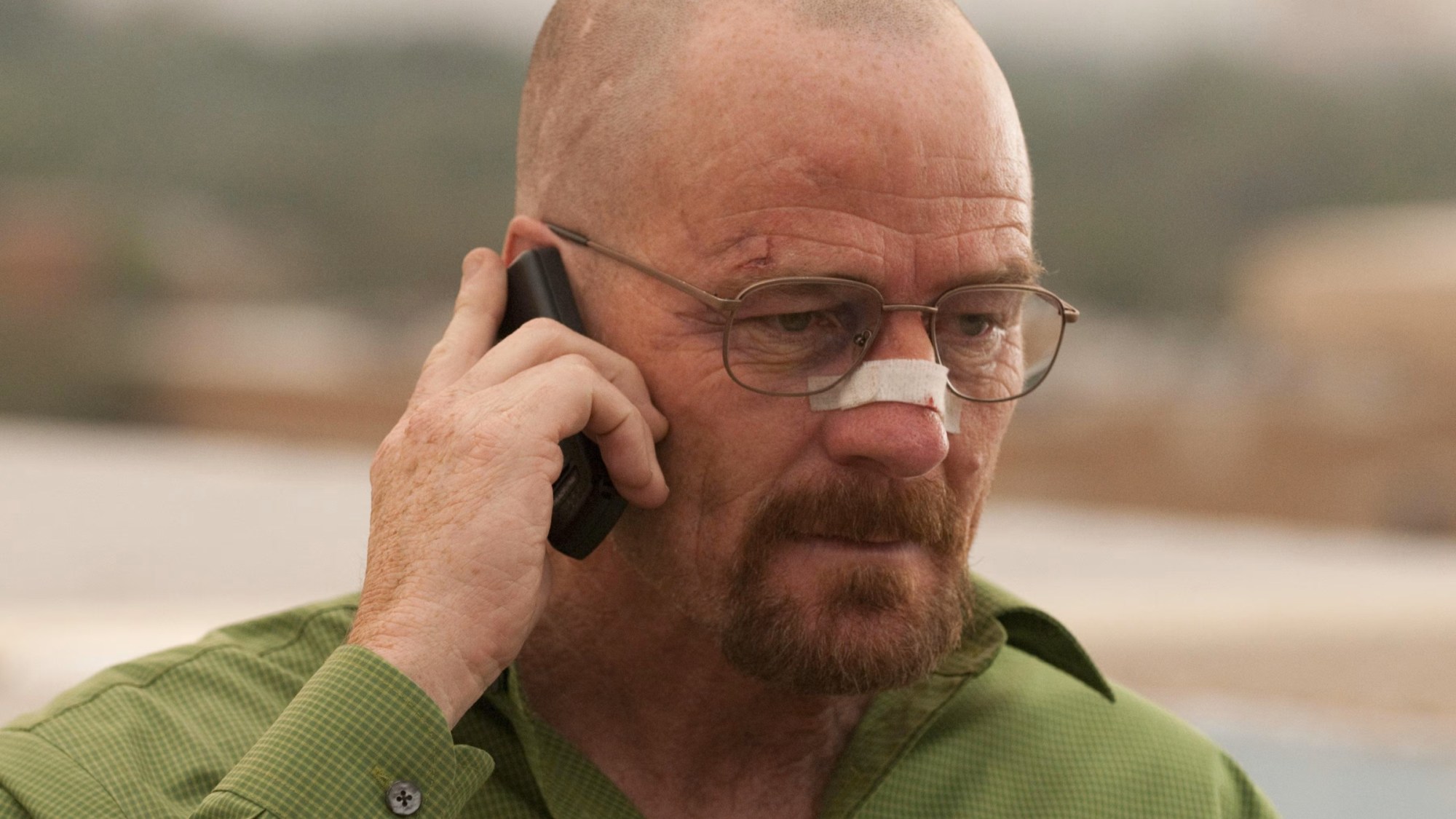
The structural turning point of the episode arrives early with the execution of DEA Agent Hank Schrader by Jack Welker’s gang. Hank’s death strips away whatever moral justification Walter had weaponized throughout the series—his persistent claim that everything he did was for the financial security of his family. Witnessing his brother-in-law murdered in cold blood shatters Walter’s carefully constructed world.
From that harrowing sequence forward, the pacing accelerates into relentless tragedy. Walter’s desperate attempt to assert control leads to the kidnapping of his infant daughter, Holly, an act intended to establish his criminal independence but which ultimately alienates his family permanently. In a moment of devastating emotional candor, Walter confesses to Jesse Pinkman over the phone that he watched Jane Margolis choke to death, dealing a fatal blow to any remaining sympathy the audience might hold for him. By the conclusion of the episode, Walter is forced to flee Albuquerque, adopting a completely new identity engineered by Ed Galbraith, the vacuum repairman turned relocation specialist.
Critical Reception and Audience Acclamation
The cultural resonance of “Ozymandias” is quantified not only by critical praise but by unprecedented audience metrics. Upon its release, the episode achieved a rare 10/10 rating on IMDb, maintaining a near-flawless user score across hundreds of thousands of votes for over a decade. While slight statistical fluctuations in crowdsourced review platforms occur over time, the consensus among television historians remains undisputed: “Ozymandias” stands as the defining hour of 21st-century dramatic television.
Industry publications, entertainment analysts, and peer directors have frequently cited Johnson’s direction and Walley-Beckett’s script as a masterclass in tension and release. Walley-Beckett captured the Primetime Emmy Award for Outstanding Writing for a Drama Series for her work on the episode, while Bryan Cranston and Anna Gunn delivered career-defining performances during the agonizing kitchen confrontation scene where the White family fractures irreversibly.

Literary Allusion and Structural Symbolism
The thematic depth of the episode is anchored by its title, which directly references Percy Bysshe Shelley’s classic 1818 sonnet, “Ozymandias.” The poem tells the story of a traveler from an antique land who encounters the ruined, colossal statue of a once-mighty king whose pedestal reads: “My name is Ozymandias, King of Kings: Look on my works, ye mighty, and despair.” Around the broken statue, nothing remains save for the boundless and bare desert sand.
The parallel to Walter White is intentional and precise. The poem serves as a meditation on the inevitable decay of mortal empires and the ultimate futility of human ego and tyranny. Creator Vince Gilligan and his writers utilized the poem to signify that Heisenberg’s vast drug empire, built on hubris and violence, was destined to be reclaimed by the elements. This literary motif was heavily featured in the promotional marketing for the final block of episodes, where Bryan Cranston recited the poem’s stark lines over sweeping vistas of the New Mexico desert. The visual of Walter stranded in the barren landscape, pushing a single metal barrel containing his remaining wealth, mirrors the imagery of Shelley’s fallen monarch.
Full-Circle Narrative: The Pilot Episode Easter Egg
Beyond its heavy dramatic weight and literary callbacks, “Ozymandias” incorporates subtle visual storytelling that connects the final season back to the very origins of the series. Midway through the episode, as a desperate Walter White traverses the scorching desert hauling his barrel of cash, he trudges past a discarded pair of khaki trousers lying alone on the dirt.
For attentive viewers, this moment serves as a direct visual callback to the pilot episode of Breaking Bad, which premiered on AMC in January 2008. In the iconic opening sequence of the series premiere, Walter is seen driving an RV through the New Mexico desert in his underwear, wearing a gas mask while those same khaki pants fly haphazardly through the air from the vehicle’s window.
Reintroducing those exact trousers in the desert during “Ozymandias” acts as a brilliant, melancholic bookend. It reminds the audience of how far Walter has fallen—from a mild-mannered chemistry teacher making a panicked, desperate escape in his underwear, to a fugitive kingpin stripped of his family, his fortune, and his humanity. Despite every criminal enterprise he built and every life he destroyed, Walter returns metaphorically to where he started, though his situation is now unimaginably worse.
Broader Impact and Legacy on Modern Television
The broadcast of “Ozymandias” set a high standard for how contemporary prestige television handles its endgame. By compressing the emotional fallout of the series into a single, relentless hour of television, the production team successfully cleared the board of all standard narrative tropes, leaving the final two episodes—titled “Granite State” and “Felina”—to explore the desolate aftermath of an empire’s collapse.
In the wake of Breaking Bad, serialized television has increasingly favored tightly mapped, finite narratives over endless syndication. The show’s ability to maintain high creative integrity and deliver a universally praised conclusion has influenced subsequent prestige dramas. For fans revisiting the complete series—all five seasons of which remain available for streaming on Netflix—“Ozymandias” continues to stand as the undisputed apex of a modern television masterpiece, proving that actions have irreversible consequences and that even the mightiest empires must eventually turn to dust.