New Avengers: Doomsday Theory Suggests Tony Stark Never Existed, “Insane in the Best Way”

The Catalyst: Avengers: Doomsday Trailer and Robert Downey Jr.’s Return
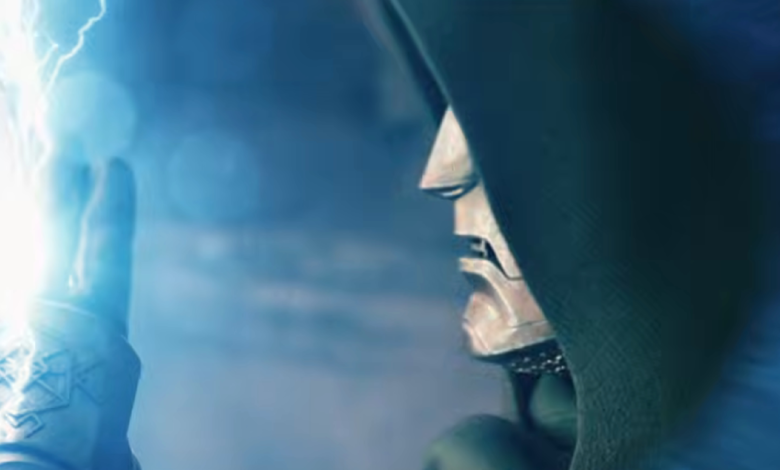
The release of the Avengers: Doomsday trailer marks a critical juncture for the MCU, signalling a potential return to the epic scale and emotional depth that characterized its earlier phases. After a period of mixed reception for some post-Endgame projects, the prospect of another major Avengers ensemble film, especially one featuring the return of an actor as beloved and central to the MCU’s identity as Robert Downey Jr., has galvanized the fanbase. Downey’s portrayal of Tony Stark, alias Iron Man, was instrumental in launching the MCU into global phenomenon status, with his character arc from arrogant billionaire to self-sacrificing hero resonating deeply with millions. His death in Avengers: Endgame was widely considered a definitive conclusion to one of cinema’s most impactful superhero journeys. The announcement of his return, not as Iron Man but as the formidable villain Doctor Doom, immediately presented a profound narrative challenge and opportunity for Marvel Studios. The decision to cast Downey in such a pivotal antagonist role, especially one that visually evokes his former character, immediately signaled that Avengers: Doomsday would confront established MCU history in unexpected ways. This strategic casting choice is not merely a fan-pleasing cameo but a deliberate narrative device designed to provoke questions about identity, legacy, and the very fabric of the multiverse.
The Heart of the Mystery: Tony Stark and Doctor Doom’s Uncanny Resemblance
The core enigma driving much of the current fan discourse revolves around the visual similarity between Robert Downey Jr.’s Doctor Doom and his previous incarnation as Tony Stark. In the intricate tapestry of the Marvel Multiverse, the concept of variants – alternate versions of characters from different timelines – has been firmly established through series like Loki and films such as Doctor Strange in the Multiverse of Madness. This precedent theoretically allows for different characters to share the same actor without necessarily implying a direct familial or identity link. However, the specific framing and the stated intent by the filmmakers to "directly address" this resemblance suggest that it is more than a mere multiversal coincidence or an actor’s dual role. This narrative promise elevates the visual similarity from a casting choice to a central plot point, demanding a complex explanation within the MCU’s evolving mythology. The potential implications of this connection are vast, capable of retroactively altering perceptions of Tony Stark’s entire character arc or fundamentally reshaping the introduction of one of Marvel Comics’ most iconic villains.
Deep Dive into Fan Theories: The Variant Hypothesis
The vacuum created by this promised explanation has been rapidly filled by an array of intricate fan theories, each attempting to reconcile the past and future of the MCU. These theories often draw upon obscure comic book lore, subtle cinematic details, and the established rules of the Multiverse Saga.
-
Theory 1: The Adopted Stark/Doom Variant: One of the most persistent and widely discussed theories posits that Tony Stark was never the biological son of Howard and Maria Stark. According to this hypothesis, the Starks tragically lost their own child and secretly adopted a replacement, a child who was, in fact, a Victor Von Doom variant. Believers in this theory frequently cite a specific scene in Avengers: Endgame where Tony interacts with his father, Howard Stark. They meticulously analyze the timeline of Maria Stark’s pregnancy as presented in various MCU productions, arguing that it does not align perfectly with Tony’s established age. This perceived discrepancy, some fans contend, could be a deliberate narrative breadcrumb, with new footage potentially introduced in Avengers: Endgame Encore serving to finally confirm this long-held suspicion. If true, this revelation would mean that the man audiences knew as Iron Man, the hero who saved the universe, was unknowingly a variant of one of its most formidable future threats, adding a profound layer of tragic irony to his entire journey.
-
Theory 2: Kang’s Erasure and Loki’s Restoration: Another compelling theory weaves in elements from the ongoing Multiverse Saga, specifically involving Kang the Conqueror (Jonathan Majors) and Loki (Tom Hiddleston). This interpretation suggests that Kang, a being obsessed with maintaining a specific timeline and eliminating rivals, deliberately erased Victor Von Doom from the multiverse to remove a significant threat to his dominion. Following Loki’s dramatic ascension to the "God of Stories" at the conclusion of Loki Season 2 – a powerful entity capable of weaving and restoring timelines – this theory posits that Loki’s actions inadvertently (or perhaps intentionally) restored Doom to existence. Under this reading, Tony Stark’s recurring and often prophetic visions of a dark future, which plagued him throughout his heroic career and drove many of his decisions, were not mere anxieties but fragmented memories of Victor Von Doom’s own past, resurfacing within the consciousness of his variant. This theory effectively connects the perceived future threat of Doom to the foundational heroics of Stark, intertwining their destinies through the machinations of multiversal forces.
The Multiverse Saga: Contextualizing the Speculation
The very existence of these complex variant theories is deeply rooted in the thematic framework of the MCU’s Multiverse Saga, encompassing Phases 4, 5, and 6. Following the Infinity Saga’s focus on cosmic threats and interconnected hero narratives, the Multiverse Saga pivoted to exploring alternate realities, branching timelines, and the implications of infinite possibilities. Shows like Loki not only introduced the concept of variants but also established the TVA’s role in policing the "Sacred Timeline" and the subsequent chaos unleashed by its collapse. Films like Spider-Man: No Way Home and Doctor Strange in the Multiverse of Madness showcased the emotional and existential ramifications of encountering alternate versions of oneself and loved ones. This narrative shift has primed the audience to accept radical reinterpretations of beloved characters and timelines, making theories about Tony Stark being a Doom variant not just plausible but almost expected within the current storytelling paradigm. The Multiverse provides a canvas where such dramatic identity twists can be explored without necessarily invalidating past events, instead recontextualizing them.
The Legacy of Iron Man: Weighing the Narrative Impact
The prospect of Tony Stark being a Doctor Doom variant carries immense narrative weight, sparking passionate debate among fans and critics alike regarding its potential impact on Iron Man’s enduring legacy.
-
Arguments for the Variant Theory: Proponents of the variant theory argue that it could profoundly deepen Tony Stark’s character arc. Framing his heroism as a conscious, arduous struggle against a darker, predetermined path – the inherent villainy of a Victor Von Doom variant – would elevate his choices and sacrifices. His journey from self-absorbed industrialist to selfless saviour would be reinterpreted as a triumph over a formidable internal destiny, making his ultimate sacrifice in Avengers: Endgame even more poignant and impactful. It would transform his narrative from a personal redemption story into a cosmic battle against an innate, multiversal predisposition, highlighting the power of free will and choice even in the face of predestination. This perspective suggests that such a twist could add layers of tragedy and complexity that would solidify Tony Stark’s place as one of the most intricately developed characters in cinematic history.
-
Arguments Against the Variant Theory: Conversely, a significant portion of the fanbase vehemently opposes this theory, viewing it as a potential disservice to Tony Stark’s established character. Their primary concern is that portraying Tony as a Victor Von Doom variant would diminish his individual agency and the authenticity of his character development over eleven years and numerous films. His sacrifice at the end of Avengers: Endgame, a moment that elicited global emotional responses, would risk being reduced to a mere footnote in someone else’s story, rather than the culminating act of his own hard-won journey. Critics argue that such a twist would retroactively invalidate the core themes of responsibility, redemption, and self-made heroism that defined Iron Man. They fear it would subtly erase a decade of meticulous character work built around Tony Stark’s unique flaws, genius, and ultimately, his choices, replacing it with a predetermined lineage that undermines his personal evolution. The emotional investment of the audience in Tony’s specific journey could be severely compromised.
-
The "Coincidence" Camp: A third perspective questions the fundamental necessity of explaining the resemblance at all. This camp argues that the very nature of the multiverse inherently allows for multiple distinct characters to share the same face (and actor) without requiring an intricate, interwoven backstory. They point to instances like Mahershala Ali’s previous role as Cornell "Cottonmouth" Stokes in Luke Cage before being cast as Blade, or Gemma Chan playing both Minn-Erva in Captain Marvel and Sersi in Eternals. In these cases, the shared actor is simply a feature of the casting process within a vast multiversal landscape. This viewpoint suggests that Marvel Studios may have inadvertently created a problem for itself by promising an explanation, thereby raising expectations for a complex resolution when a simpler, multiversal "coincidence" might have sufficed. Regardless of the solution Marvel chooses, this camp believes there’s a risk of disappointing a segment of the audience, either by overcomplicating a simple matter or by failing to meet the elaborate expectations now circulating.
Doctor Doom in the MCU: A Villain’s Introduction
Beyond the implications for Tony Stark, the introduction of Doctor Doom is a monumental event for the MCU. Victor Von Doom is not merely a villain; he is one of Marvel Comics’ most iconic, complex, and enduring antagonists, often considered the archenemy of the Fantastic Four and a formidable threat to the entire Marvel universe. His character is defined by his unparalleled genius, mastery of both science and sorcery, his iron-fisted rule over the fictional nation of Latveria, and a deeply complicated psyche often driven by a twisted sense of honour and a profound devotion to his deceased mother. His signature armoured suit and mask are not just for protection but are symbols of his formidable will and hidden vulnerability.
The concern among long-time comic readers, initially upon Downey’s casting announcement, was that Marvel Studios might take an "easy route" by simplifying Doom’s character, portraying him merely as an "evil Tony Stark" variant. Such an approach, they fear, would strip Victor Von Doom of the unique traits that have made him such a compelling antagonist for decades, including his sovereign rule over Latveria, his distinct blend of scientific and mystical prowess, and the intricate psychological motivations that set him apart from other villains. His introduction demands a nuanced portrayal that respects his comic book origins, establishing him as a standalone, formidable force rather than merely a reflection of a past hero. The challenge for Marvel is to deliver a Doctor Doom that satisfies both the expectations derived from the comics and the narrative demands of the variant theory, if it proves true.
Marvel Studios’ Challenge: Balancing Legacy and Innovation
Marvel Studios faces a significant challenge in Avengers: Doomsday: how to introduce a character as monumental as Doctor Doom, potentially played by an actor synonymous with its foundational hero, while simultaneously respecting and enhancing the legacy of that hero. The studio’s track record demonstrates a willingness to adapt and reinterpret comic book lore for the screen, often with great success. However, the emotional investment in Tony Stark’s journey and sacrifice is unparalleled within the franchise. The solution chosen for the Doom/Stark resemblance will not only define the character of Doctor Doom for a new generation of viewers but will also retroactively colour the perception of Iron Man’s entire saga.
This balancing act requires careful storytelling that acknowledges the weight of the past while boldly forging new paths. Whether the film opts for a profound multiversal twist, a subtle nod to comic book variants, or a more straightforward explanation, the resolution will undoubtedly become a touchstone moment in MCU history. The risk of alienating a segment of the audience is high, regardless of the path chosen, underscoring the delicate narrative tightrope Marvel Studios is walking. The outcome will be a testament to their ability to innovate within their established universe while honouring the characters that built it.
As the release date of Avengers: Doomsday on December 18th draws closer, the fervor surrounding these theories will only intensify. The film is poised to deliver not just another superhero epic, but a narrative that could fundamentally reshape our understanding of the MCU’s past, present, and future, all through the lens of one of its most surprising and anticipated character revelations.