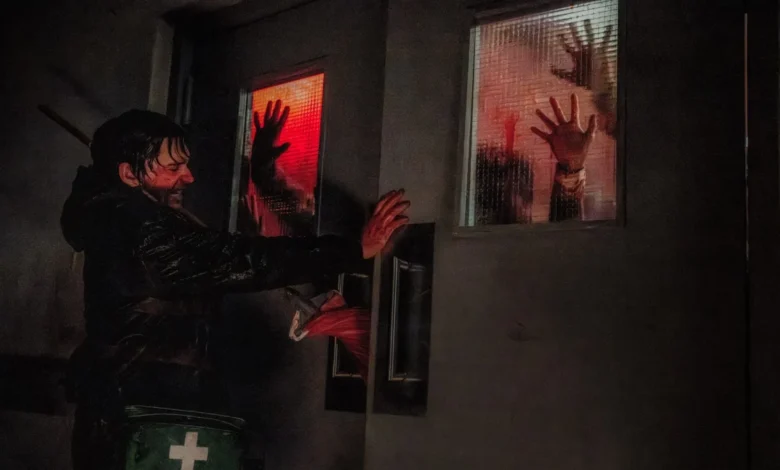
The latest trailer for the upcoming Resident Evil film has sent ripples of excitement through the gaming community, with many observers noting a palpable shift in approach. Unlike previous cinematic attempts that have been criticized for straying too far from the source material or conversely, for being overly reliant on fan service without a coherent narrative, this new trailer suggests a director deeply invested in the franchise’s roots. Director Zach Cregger appears poised to deliver an adaptation that resonates with both casual viewers and the dedicated fanbase who have followed the Resident Evil saga for decades.
Historically, the transition of video games to the silver screen has been a precarious endeavor, often marked by a fundamental misunderstanding of the source material by filmmakers. Early adaptations of beloved gaming franchises like Super Mario Bros. and Double Dragon are frequently cited as cautionary tales, showcasing a divergence from the core elements that made the games popular. The Resident Evil trailer, however, seems to signal a departure from this trend, indicating a directorial vision that prioritizes authenticity and respect for the original games.
A Glimpse into the Horror: Trailer Breakdown
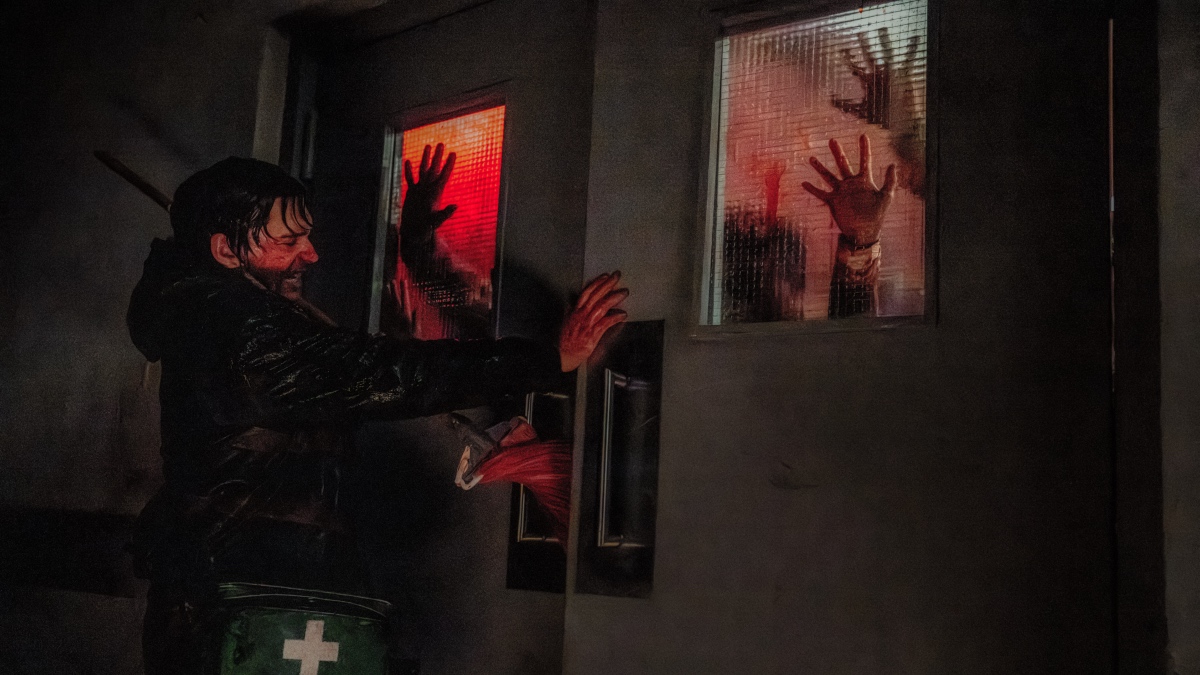
The trailer introduces Bryan, portrayed by Austin Abrams, a character described as a medical supply delivery guy. For those unfamiliar with the Resident Evil universe, Bryan’s predicament—a dangerous assignment undertaken for extra cash, leading to a car crash in a snow-laden, unfamiliar territory while dealing with a zombie outbreak—presents a compelling hook for a horror film. However, for longtime Resident Evil players, this scenario is replete with subtle nods and direct references that speak volumes about the film’s commitment to its origins.
One of the most striking details for fans is the appearance of an old-timey typewriter in an office setting. While this might seem like a mere prop to the uninitiated, for Resident Evil veterans, it’s an immediate signal of a safe room and a crucial save point. In the original games, the presence of a typewriter was a beacon of hope, a place where players could preserve their hard-earned progress before facing the next horrifying encounter. This mechanic was not merely about convenience; it was intrinsically linked to the genre’s core tenets of survival and resource management. Early installments of the franchise even introduced an added layer of tension by requiring ink ribbons to use these typewriters, forcing players to make difficult decisions about when to save and when to press onward. The trailer’s depiction of the typewriter, without the immediate availability of ink ribbons, hints at a narrative that embraces these survival mechanics, albeit with potential modern adaptations.
The Scarcity of Survival: Resource Management in the Trailer
Beyond the save points, the trailer emphasizes another hallmark of the Resident Evil series: the scarcity of resources. Bryan’s discovery of a shotgun, a weapon that should offer a sense of security, is quickly undercut by the realization that he is missing the necessary ammunition. The subsequent frantic search for shells, culminating in their discovery in a drawer and a green box, directly mirrors the gameplay loop of the original games. Players were consistently tasked with scavenging for every bullet, every healing item, and every component needed to craft essential tools for survival.
This emphasis on limited ammunition is not merely a gameplay mechanic; it is fundamental to the psychological horror that the Resident Evil franchise is known for. The games masterfully instilled a sense of vulnerability in players, forcing them to constantly assess risks, manage their inventory, and make every shot count. The trailer’s portrayal of Bryan scrambling to load his shotgun as a zombie advances towards him powerfully recaptures this feeling of precariousness. It underscores the film’s intention to replicate the tension and desperation that defined the early Resident Evil experiences, where even a powerful weapon could be rendered useless without the foresight to secure its ammunition.
Raccoon City’s Shadow: Chronology and Setting
The trailer’s climax delivers a significant revelation that anchors the film within the established lore of the Resident Evil universe. The flashback sequence, depicting Bryan accepting the dangerous delivery assignment, culminates with the doctor’s ominous pronouncement: "Raccoon City General." This, coupled with a line from Paul Walter Hauser’s character stating, "Everything that has happened in this town transpired in a matter of hours," firmly places the film’s narrative in the vicinity of the catastrophic events of Raccoon City.
Director Zach Cregger has previously elaborated on the film’s temporal and spatial placement, stating that it occurs "on the periphery" of Resident Evil 2. This is a crucial detail, as the 1998 game saw players step into the shoes of rookie cop Leon S. Kennedy and college student Claire Redfield as they navigated a city overrun by the undead, uncovering the sinister machinations of the Umbrella Corporation. While those games explored iconic Raccoon City locations such as the police department headquarters and City Hall, Cregger’s film introduces Raccoon City General Hospital as a new, unexplored territory within this established timeline. This provides an opportunity to expand upon the established narrative, offering a fresh perspective on the unfolding disaster.
A New Era for Resident Evil Cinema
The history of Resident Evil films has been a mixed bag. Early entries, such as those directed by Paul W.S. Anderson, are often criticized for leveraging the Resident Evil brand as a mere jumping-off point for a distinct action-oriented cinematic experience, rather than a faithful adaptation of the games. Conversely, the 2021 reboot, Resident Evil: Welcome to Raccoon City, while attempting to incorporate more fan service and specific game elements, was perceived by some critics as prioritizing this fan engagement over a cohesive and compelling story.
Cregger’s approach, as evidenced by the trailer, appears to be a strategic attempt to strike a delicate balance. The film seems designed to be accessible to a general audience while simultaneously weaving in intricate details and references that will reward longtime fans. This dual focus suggests a commitment to creating a cinematic experience that is both broadly appealing and deeply resonant with the core identity of the Resident Evil franchise.
Supporting Data and Industry Context
The Resident Evil franchise, since its inception in 1996, has been a titan in the survival horror genre, selling over 130 million units worldwide. Its impact extends beyond gaming, influencing countless other media and solidifying the survival horror subgenre. The success of the games has consistently demonstrated a demand for narratives that blend suspense, puzzle-solving, and resource management with visceral horror.
The film industry’s ongoing exploration of video game adaptations has seen a recent uptick in critical and commercial success. Titles like The Super Mario Bros. Movie and Sonic the Hedgehog have achieved significant box office returns, indicating a growing audience appetite for well-executed adaptations. The financial performance of these films, coupled with the critical reception of others like Arcane (a League of Legends animated series), suggests that studios are increasingly willing to invest in projects that demonstrate a genuine understanding and respect for their source material. The trailer for Cregger’s Resident Evil aligns with this evolving trend, hinting at a film that could potentially join the ranks of successful video game adaptations by prioritizing narrative integrity and fan appreciation.
Broader Impact and Implications
The success of this new Resident Evil film could have significant implications for future video game adaptations. If Cregger’s approach proves effective, it could further encourage studios to collaborate more closely with game developers and veteran fans during the adaptation process. This collaborative model, focused on respecting the established lore and gameplay mechanics, may become a blueprint for future projects, leading to a higher quality and more authentic cinematic output from the gaming world.
The film’s commitment to survival horror elements, particularly resource scarcity and the psychological tension it generates, could also signal a resurgence of interest in more traditional horror storytelling within blockbuster cinema. In an era often dominated by jump scares and creature features, a film that leans into the strategic dread and vulnerability inherent in survival horror could offer a refreshing alternative for audiences.
Official Statements and Future Outlook
While specific statements from the cast and crew beyond Cregger’s prior comments have been limited, the trailer itself serves as a powerful communication to the fanbase. The inclusion of specific gameplay elements, the explicit connection to Raccoon City, and the apparent focus on character vulnerability all suggest a deliberate strategy to engage with the core Resident Evil experience.
As Resident Evil is slated for release on September 18, 2026, anticipation within the fan community is palpable. The trailer has successfully ignited a conversation about the film’s potential to honor the legacy of the games while forging its own cinematic identity. The careful integration of iconic elements, the promise of a narrative that respects the franchise’s roots, and the directorial vision of Zach Cregger collectively suggest that this adaptation may finally deliver the Resident Evil cinematic experience that fans have long awaited. The success of this film will undoubtedly be closely watched, not only for its own merits but also for what it might signify for the future of video game adaptations in Hollywood.