The landscape of horror cinema has undergone a significant evolution since its nascent days, particularly in the post-World War II era. Initially conceived as a vibrant, pulpy genre largely catering to younger audiences, the 1950s and 60s witnessed the proliferation of B-movies designed primarily for entertainment. These films, while often low-budget, embraced a spirit of fun and imaginative storytelling. However, the subsequent decades brought a notable escalation in graphic depictions of gore, ushering in a new wave of filmmakers in the 1980s. These directors, drawing heavily from the pulp fiction they had consumed in their youth, infused their work with an amplified intensity of visceral horror.
Among the most iconic examples from this transformative period is Sam Raimi’s Evil Dead franchise. The original The Evil Dead (1981) masterfully captured the playful, almost theatrical essence of the pulp era while boldly embracing the newfound freedom of post-Hays Code filmmaking, which allowed for more explicit content. This balance between over-the-top gore and a sense of mischievous fun became a hallmark of the series. The franchise continued this tradition with sequels like Evil Dead II (1987) and Army of Darkness (1992), solidifying its reputation for a unique blend of terror and dark comedy.
When the series was rebooted in 2013 with Fede Álvarez’s Evil Dead, the approach leaned further into visceral intensity. While the violence became notably stronger and more brutal, the film managed to remain largely rooted in the pulp film tradition, offering a cathartic, albeit gruesome, cinematic experience. This commitment to a specific brand of horror, characterized by its energetic, blood-soaked mayhem, defined the Evil Dead universe for decades.
The Shifting Tides of Modern Horror
In recent years, a discernible shift has occurred within the broader horror genre. There’s a growing tendency to move away from the playful, pulp-inspired roots towards a darker, more psychologically disturbing, and often relentlessly grim style. This evolution is exemplified by studios like A24, which have carved out a niche in art-house filmmaking. Their productions frequently eschew overt playfulness or joy, instead focusing on creating an atmosphere of unease and profound disturbance, often through subtle dread and thematic exploration rather than jump scares.
Concurrently, the emergence and popularization of "torture porn" as a subgenre have significantly contributed to this shift. This style of horror deliberately revels in extended, often gratuitous sequences of physical and psychological pain and suffering. While some films within this subgenre may aim for social commentary or character study, the emphasis often lies on the explicit depiction of agony, pushing the boundaries of what audiences are willing to witness on screen.
The Evil Dead films, in navigating this modern horror landscape, have often found themselves walking a tightrope. They have attempted to incorporate the wrenching, visceral imagery demanded by contemporary tastes while striving to retain a modicum of the franchise’s signature playfulness. This balancing act has yielded varying degrees of success across different installments, as the genre continues to redefine itself.
Evil Dead Burn: A Departure From Form
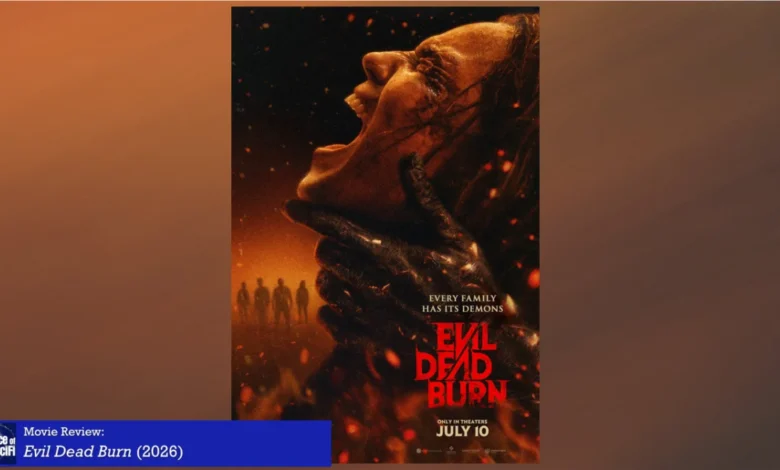
The latest installment, Evil Dead Burn, represents a particularly stark departure from the series’ traditional roots and the established tone that has defined the franchise for decades. Instead of prioritizing a sense of shared, albeit terrifying, good time with the audience, the film opts for an almost unremittingly bleak and brutal depiction of violence. This relentless focus on gore and suffering results in a runtime that, for many viewers, feels insufferable, stretching towards two hours without offering substantial narrative respite.
A significant critique leveled against Evil Dead Burn is its apparent neglect of plot and character development. The narrative scaffolding and the emotional arcs of the individuals within the story are largely sidelined in favor of a constant barrage of violent set pieces. This prioritization of visceral impact over substance leaves the audience with a sense of disconnection and disinterest, as there are few anchors to engage with beyond the sheer spectacle of the horror.
The characters themselves are frequently portrayed as making poor, often inexplicable, choices, which further alienates the audience. There is little opportunity to empathize with or even to passively root for them. This lack of audience investment, coupled with the unrelenting nature of the on-screen torment, leads to the film feeling less like a genuine Evil Dead experience and more akin to a run-of-the-mill modern torture porn exercise.
The involvement of Sam Raimi and Bruce Campbell as producers on Evil Dead Burn is particularly baffling to many critics and long-time fans. Their names are inextricably linked to the franchise’s legacy of blending inventive scares with a distinct brand of dark humor and a certain anarchic spirit. The film, in its current iteration, appears to largely diverge from this established legacy, raising questions about the creative direction and the adherence to the franchise’s core tenets.
A Comparative Look: Evil Dead Rise
In stark contrast to the reception of Evil Dead Burn, the 2023 release Evil Dead Rise offered a different experience for audiences and critics alike. While undeniably brutal and graphic, Evil Dead Rise managed to retain elements of suspense, genuine fun, and overall entertainment value. The film allowed for moments of respite, providing breathing room for the narrative and character interactions to develop. Crucially, it felt more closely aligned with the franchise’s pulp roots, offering a familiar yet fresh take on the Evil Dead mythology. This success highlighted that brutality does not have to come at the expense of engagement or the franchise’s inherent spirit.
Evil Dead Burn, on the other hand, has been widely criticized as the least entertaining entry in the series. It’s characterized by a near-constant bombardment of disturbing imagery and extreme violence, to the point where it barely qualifies as a horror movie in the traditional sense. Instead, it often veers into the territory of an action film, albeit one whose primary objective is to upset and gross out the viewer rather than to thrill or engage them on a deeper level. This aggressive approach, while technically showcasing gore, lacks the narrative coherence and character drive that often elevates effective horror.
Broader Implications for the Franchise
The trajectory of Evil Dead Burn signals a potentially significant shift away from the old-school roots that have historically defined the Evil Dead brand. This departure is a disappointing development for many fans who have come to appreciate the franchise for its unique blend of extreme horror and anarchic, pulpy fun. The film’s reception suggests a potential miscalculation in understanding what makes the Evil Dead universe resonate with its audience.
The implications of this shift are far-reaching for the franchise’s future. If Evil Dead Burn is indicative of the direction the series intends to take, it risks alienating a core demographic of fans who have been loyal to its distinctive style. The challenge for the franchise moving forward will be to find a way to evolve and incorporate contemporary horror sensibilities without sacrificing the elements that made it a beloved and enduring entity in the first place. Recommending Evil Dead Burn to long-time fans of the franchise becomes a difficult proposition, given its apparent departure from the very qualities that have cemented its legacy.
Rating: 1.5 out of 5 stars
Evil Dead Burn Production and Narrative Details
Evil Dead Burn, directed by Sébastien Vaniçek and co-written by Vaniçek and Florent Bernard, stars Souheila Yacoub, Tandi Wright, Hunter Doohan, Luciane Buchanan, Errol Shand, and Maude Davey. The film’s narrative centers on a woman seeking solace with her in-laws in their secluded family home following the loss of her husband. The situation devolves into a nightmarish family reunion as individuals are transformed into Deadites, entities possessed by demons. The synopsis hints at a dark exploration of life and death vows, suggesting a thematic undercurrent that, according to critics, remains largely underdeveloped amidst the overwhelming violence. The film’s trailer, released prior to its wider distribution, showcased a high level of graphic content, aligning with the critical reception that emphasizes its brutal and disturbing nature.
Analysis of Franchise Evolution and Audience Expectations
The Evil Dead franchise has a storied history, beginning with Sam Raimi’s independent horror classic The Evil Dead in 1981. This film, shot on 16mm film, quickly gained a cult following for its raw energy, inventive gore effects, and a relentless pace that compensated for its limited budget. Its sequels, Evil Dead II and Army of Darkness, saw the franchise lean more into slapstick horror-comedy, further solidifying its unique identity. The 2013 remake, Evil Dead, directed by Fede Álvarez, successfully revitalized the series by returning to a more serious and intensely gory tone, while still retaining a sense of the franchise’s over-the-top spirit.
The critical consensus around Evil Dead Burn suggests a departure from this established formula. While the horror genre has certainly evolved, with audiences increasingly exposed to and, in some cases, seeking out more extreme forms of horror, the Evil Dead franchise has historically offered a specific kind of experience. This experience was not just about gore, but about the way the gore was presented: often with a kinetic, almost cartoonish energy, driven by memorable characters and a sense of gleeful, transgressive fun.
The success of Evil Dead Rise in 2023 demonstrated that there is still a strong appetite for Evil Dead films that can balance brutal horror with engaging storytelling and a sense of entertainment. Its ability to deliver visceral scares while also providing suspense, character moments, and even a degree of levity allowed it to connect with both long-time fans and newer audiences.
The critical reception of Evil Dead Burn, therefore, raises pertinent questions about the future direction of the franchise. Is the intent to fully embrace the grim, relentless nature of modern "elevated horror" or "torture porn" subgenres, or is this a misstep in attempting to cater to a perceived shift in audience taste? The involvement of Raimi and Campbell, figures so intrinsically linked to the franchise’s original spirit, further complicates this narrative. Their producer roles typically imply a degree of creative oversight or endorsement of the project’s direction. However, the stark contrast between Evil Dead Burn and the franchise’s established tone suggests a significant divergence in creative vision.
The broader implications for the horror genre itself are also worth noting. The success of films that prioritize psychological dread, atmospheric tension, and thematic depth has led to a perception that "elevated horror" is the new benchmark. However, the enduring appeal of franchises like Evil Dead demonstrates that there is still a significant audience for more visceral, genre-driven horror that embraces its pulpy origins. The challenge for filmmakers and studios is to understand the nuances of audience desire and to avoid the trap of assuming that brutality alone equates to compelling horror. For the Evil Dead franchise, the path forward will likely involve a careful consideration of its legacy and a renewed focus on the elements that have made it a beloved icon of the horror landscape for over four decades.
Related posts: