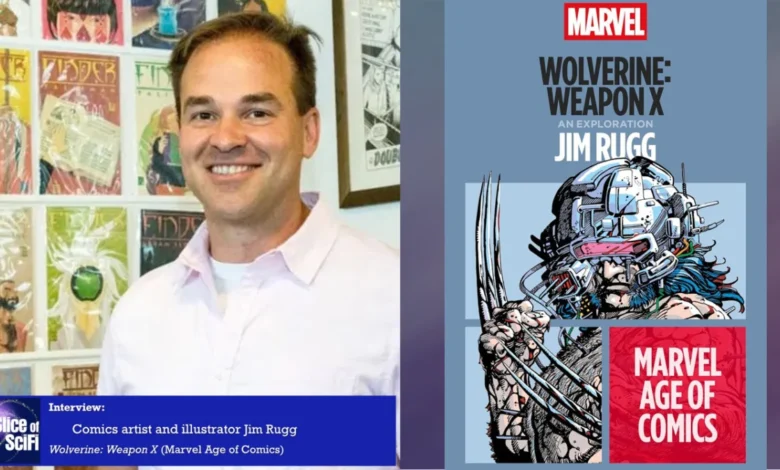
Comic artist and illustrator Jim Rugg has delved into the profound impact of Barry Windsor-Smith’s seminal "Wolverine: Weapon X" storyline, offering his insights in a recent interview and through his new book for Bloomsbury Academic’s "Marvel Age of Comics" series. Rugg’s examination focuses on how Windsor-Smith’s groundbreaking work not only defined Wolverine’s origin but also left an indelible mark on the Marvel Universe and inspired a generation of creators.
The "Marvel Age of Comics" series, curated by Bloomsbury Academic, aims to provide in-depth analyses of pivotal moments and creations within Marvel’s storied history. Rugg’s contribution, "Wolverine: Weapon X," serves as a testament to the enduring power of this particular narrative, exploring its artistic merit, thematic depth, and its lasting influence on comic book storytelling.
The Genesis of a Legend: The Weapon X Experiment
"Wolverine: Weapon X," originally published in The Incredible Hulk #180-181 and Marvel Comics Presents #72-84, meticulously details the clandestine Weapon X program’s brutal experimentation on James "Logan" Howlett. This arc is widely credited with establishing Wolverine’s core identity: a fiercely independent mutant with a violent past, a regenerative healing factor, and adamantium-laced bones and claws.
Barry Windsor-Smith, both as writer and artist for the Marvel Comics Presents run, brought a gritty, visceral, and psychologically complex vision to Wolverine’s tortured genesis. His artwork, characterized by a detailed, often macabre style, perfectly captured the horror and trauma of Logan’s transformation. Rugg highlights this artistic contribution as a key factor in the story’s enduring appeal, noting that for many readers, the visual storytelling often precedes the narrative in initial engagement with comic books.
"For me, and I think for many artists who came up reading comics, it was the artwork that initially drew us in," Rugg explained in the interview. "You’d follow the artists. You’d pick up a comic because you knew who drew it. Windsor-Smith’s work on ‘Weapon X’ was just stunning. It was unlike anything else at the time. It had a maturity and a darkness that really resonated."
A Deeper Context: The Characters and Experiments
Rugg’s analysis extends beyond the immediate depiction of Wolverine’s transformation. He emphasizes the importance of the surrounding characters and the broader context of the Weapon X program as presented in the narrative. The story introduced or further developed key figures associated with Logan’s past and the clandestine operations, such as Dr. Cornelius, Professor X (in hints of his early involvement with mutant research), and the shadowy operatives of the program.
The narrative explored not only the physical alteration of Wolverine but also the psychological toll it took, delving into themes of identity, control, and the very nature of humanity. The experiments were portrayed as a systematic dehumanization process, stripping Logan of his memories and agency in an attempt to create a perfect weapon. This focus on the internal struggle, coupled with the external brutality, elevated "Wolverine: Weapon X" beyond a simple superhero origin story.
"Windsor-Smith wasn’t just showing us a guy getting metal claws," Rugg stated. "He was exploring the idea of what happens when you try to weaponize a living being, what that does to their mind, their soul. The surrounding characters, even those who were just part of the machinery of the program, added layers to that. They represented different facets of control and exploitation."
Enduring Relevance: The Legacy of Weapon X
Decades after its initial publication, "Wolverine: Weapon X" continues to hold up remarkably well, a testament to its innovative storytelling and artistic execution. The story laid the groundwork for countless future narratives involving Wolverine, shaping his character arc and defining his relationship with the wider Marvel Universe.
Rugg posits that the story’s inherent power lies in its unflinching portrayal of trauma and resilience. Wolverine’s survival and eventual escape from the Weapon X program, despite the horrific ordeal, established him as a survivor, a figure who could endure unimaginable pain and still fight back. This core characteristic has made him one of Marvel’s most enduring and popular characters.
"The impact of ‘Weapon X’ is undeniable," Rugg observed. "It gave us the Wolverine we know and love, but it also gave us a blueprint for how to tell darker, more complex stories within the superhero genre. It showed that you could explore the psychological ramifications of these powers and these origins, and readers would respond to it."

Influence on a Generation of Creators
For artists like Jim Rugg, "Wolverine: Weapon X" was more than just a compelling story; it was a formative influence. The raw power of Windsor-Smith’s linework, the innovative panel layouts, and the mature thematic content all contributed to a desire to emulate that level of creative expression.
Rugg himself has a distinct artistic style that often embraces a raw, energetic, and sometimes unconventional approach, echoing the spirit of creators who pushed boundaries. His engagement with "Wolverine: Weapon X" in his book for Bloomsbury Academic is not just an academic exercise but a personal acknowledgment of the work’s profound impact on his own creative journey.
"It absolutely inspired me," Rugg admitted. "It made me want to draw comics. It made me want to tell stories that had weight and consequence. Barry Windsor-Smith showed us what was possible, not just in terms of drawing but in terms of what a comic book story could be."
The Unseen Threads: Claremont’s Vision and the 80s/90s X-Men
While Barry Windsor-Smith’s "Weapon X" storyline is definitive, Rugg acknowledges that the full scope of Wolverine’s origins may still hold undiscovered elements. He references the potential for Chris Claremont, a pivotal writer in X-Men history, to have had an even more expansive vision for Wolverine’s backstory.
Claremont’s tenure on Uncanny X-Men in the 1980s and 1990s saw Wolverine become a central figure, his past frequently alluded to and explored. The ripple effect of the "Weapon X" narrative, even with its potential for further elaboration by Claremont, was profound. It informed the character’s interactions, motivations, and his often-conflicted role within the X-Men team. The gritty, anti-heroic persona that emerged from "Weapon X" became a defining characteristic of the X-Men’s evolution during this highly successful period, influencing characters and storylines for years to come.
Expanding the "Marvel Age of Comics" Series
The success of Rugg’s "Wolverine: Weapon X" book within the "Marvel Age of Comics" series has naturally led to speculation about future installments. The interviewer expressed a desire to see Rugg tackle another significant Marvel work, specifically mentioning "Elektra: Assassin" as a potential subject. This suggests a broader appetite for such deep dives into iconic Marvel narratives, potentially extending to other seminal runs or character-defining arcs.
The "Marvel Age of Comics" series, by commissioning analyses from respected creators and critics, aims to provide valuable context and appreciation for the historical and artistic significance of these works. It serves as an educational resource for both long-time fans and newcomers looking to understand the foundational elements of the Marvel Universe.
The Broader Implications for Comic Scholarship
Jim Rugg’s examination of "Wolverine: Weapon X" contributes to a growing body of academic and critical work dedicated to the study of comic books as a legitimate art form and cultural artifact. By focusing on specific, influential storylines and creators, the "Marvel Age of Comics" series elevates the discourse surrounding comic book history and its impact on popular culture.
The implications of this approach are significant. It encourages a more nuanced understanding of how individual works contribute to the larger tapestry of a comic book universe, how artistic choices shape narrative impact, and how these stories resonate with audiences and creators across generations. Rugg’s work underscores that the study of comics is not merely about plot summaries but about dissecting the artistic intent, historical context, and enduring legacy of these powerful narratives.
The article also serves as a call to action for readers to engage with the ongoing conversation about comic book scholarship. Questions posed to the audience about other iconic storylines they’d like to see examined, and whether the series should expand to cover DC Comics or independent titles, indicate a desire to foster community and dialogue around these important cultural works. This interactive element highlights the dynamic nature of fandom and critical appreciation, encouraging a broader engagement with the history and future of the comic book medium.
Ultimately, Jim Rugg’s exploration of "Wolverine: Weapon X" offers a compelling case for the enduring power of Barry Windsor-Smith’s creation. It is a story that transcended its genre, providing a template for complex character development and visceral storytelling that continues to influence comic book creators and captivate audiences to this day. The "Marvel Age of Comics" series, with contributions like Rugg’s, plays a crucial role in preserving and celebrating this rich artistic heritage.