Robert Downey Jr. Hints at Spider-Man Appearance in Avengers Doomsday Through Cryptic Thanksgiving Social Media Post

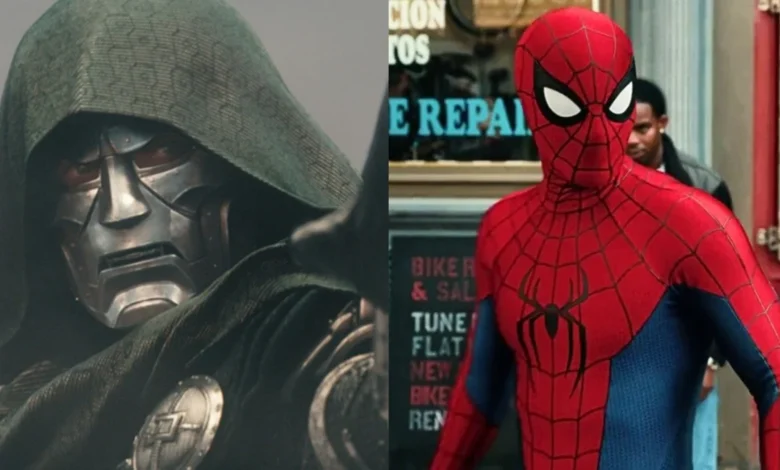
The promotional cycle for Marvel Studios’ upcoming blockbuster, Avengers: Doomsday, reached a fever pitch this week as Robert Downey Jr., who is set to portray the formidable antagonist Doctor Doom, utilized his official Instagram account to share a holiday-themed teaser. The post, which depicts a stylized, Jack Kirby-inspired illustration of Doctor Doom attempting to organize a Thanksgiving seating chart, has ignited widespread speculation among the Marvel Cinematic Universe (MCU) fan base. Analysts suggest the image serves as more than a festive greeting; it appears to be a carefully curated breadcrumb trail that may confirm the inclusion of Spider-Man in the film’s narrative.
Decoding the Seating Chart
At the center of the controversy is a handwritten seating list featured in the illustration. While the image explicitly names several characters already confirmed for the ensemble, a strategic placement of Doom’s hand partially obscures one specific entry. Forensic examination of the obscured text has led to the consensus that the name reads either "Peter" or "Spider."
If the inclusion of the web-slinging hero is confirmed, it raises the immediate question of which iteration of the character will appear. Given the current trajectory of the Multiverse Saga, the possibilities range from Tom Holland’s established MCU Spider-Man to Tobey Maguire’s version, the latter of which has been the subject of persistent rumors regarding an appearance in the upcoming Secret Wars storyline. The potential for a cross-timeline interaction between a variant Spider-Man and Doctor Doom provides a significant narrative anchor for the film, potentially tying into the ongoing incursion events that have defined the post-Endgame era of the MCU.
Chronology of the Multiverse Saga
To understand the significance of this potential reveal, one must examine the timeline of recent MCU developments:
- 2021: The release of Spider-Man: No Way Home established the precedent for live-action multiversal crossovers, bringing together three generations of Spider-Man actors.
- 2022: Doctor Strange in the Multiverse of Madness introduced the concept of incursions—the catastrophic collision of two realities—which remains the primary catalyst for the current phase of the Avengers franchise.
- 2024: The announcement of Robert Downey Jr.’s casting as Doctor Doom sent shockwaves through the industry, signaling a pivot toward more complex, character-driven villainy.
- 2025: The re-release of Spider-Man: Brand New Day and the inclusion of post-credits scenes in supplemental content like Endgame Encore have served to bridge the gap between legacy films and the upcoming Doomsday release.
The upcoming theatrical re-release of Brand New Day is widely expected by industry insiders to feature an updated post-credits sequence. Historically, Marvel Studios has used these platform-specific updates to provide essential connective tissue between films, and the timing of this re-release strongly suggests a teaser for Doomsday is imminent.
Strategic Narrative Cues and Character Dynamics
Beyond the potential Spider-Man reveal, the seating chart offers a wealth of information regarding the film’s ensemble cast and potential plot beats. Doom’s list includes a note inquiring, "Invite Bruce. Enough room??" confirming that Dr. Bruce Banner, the Hulk, is a component of the film’s narrative. This resolves long-standing questions about whether the Hulk’s role would be reserved for the later Secret Wars film or integrated into the Doomsday conflict.
The inclusion of "Boris catering, 4 p.m." is equally significant. In Marvel Comics lore, Boris serves as Doctor Doom’s loyal valet and confidant. However, fans have noted that a mysterious, masked Latverian figure with a third eye has been present in recent marketing material. If this figure is indeed the cinematic adaptation of Boris, it suggests a departure from the comics, potentially blending elements of Doctor Strange into the role of Doom’s right-hand man.
Furthermore, the seating arrangements themselves imply complex interpersonal dynamics:
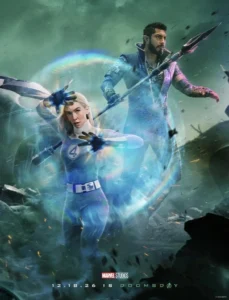
- The Fantastic Four: By placing Susan Storm at the head table while relegating the rest of the Fantastic Four to the "kids’ table," the film appears to be establishing a power dynamic that highlights Doom’s arrogance and desire to isolate members of the team.
- Wanda Maximoff and Charles Xavier: Placing the Scarlet Witch next to Professor X is a provocative choice given the events of Multiverse of Madness, where Wanda was responsible for the death of the Professor X variant. This suggests a film that will not shy away from the trauma and lingering animosity of previous multiversal encounters.
- Loki and Magneto: Perhaps the most intriguing detail is the placement of Magneto adjacent to Loki. This pairing suggests a high-level diplomatic or adversarial dialogue between two of the most iconic figures in Marvel history, signaling that Doomsday will focus heavily on political maneuvering within the multiverse.
The Role of Supplemental Marketing
The effectiveness of this social media campaign lies in its subtlety. By presenting the information as a "humorous" holiday post, Marvel Studios avoids the rigidity of a formal press release while still controlling the narrative. This strategy has been a hallmark of the studio’s success, allowing for organic engagement within fan communities while keeping the core plot points of Avengers: Doomsday shrouded in mystery until the official premiere.
Data from social media analytics platforms indicates that the engagement on this post has already surpassed similar promotional efforts for recent Marvel releases. The "potatoes" reference—a nod to a conversation between Yelena Belova and Peter Parker in the upcoming Brand New Day—further ties the promotional efforts together, creating a unified narrative across various media platforms.
Broader Implications for the Cinematic Universe
The focus on an incursion event—specifically the conflict between the Earth inhabited by the X-Men and the Earth of the Sam Raimi-directed Spider-Man films—suggests that Avengers: Doomsday will serve as a definitive synthesis of the last twenty years of comic book cinema. By utilizing the multiverse as a mechanism to bring together disparate franchises, Marvel Studios is positioning this film to be the most ambitious project in the history of the genre.
From an analytical standpoint, the inclusion of characters like Yelena, Bruce Banner, and the X-Men indicates that the film will maintain a grounded, character-focused tone despite its high-stakes multiversal premise. The decision to emphasize internal conflicts, such as the seating chart dynamics, suggests that the film will explore the psychological toll of the impending incursion on the heroes and villains alike.
As the December 18 release date approaches, the industry expectation is that the promotional cycle will shift from cryptic social media posts to more direct marketing. However, for now, the seating chart remains the most valuable piece of evidence for those attempting to map out the complex web of characters that will define the next chapter of the Marvel Cinematic Universe. Whether the name obscured by Doom’s hand is Peter Parker or another iteration of the web-slinger, it is clear that the creative team is placing heavy emphasis on the intersection of personal relationships and cosmic destruction. The intersection of these characters, combined with the presence of legacy figures like Magneto and the established threat of Doctor Doom, suggests that Avengers: Doomsday is poised to be a watershed moment for the franchise.