The release of Grand Theft Auto VI has sparked an intense dialogue within the global gaming community, centering not only on its expansive open-world mechanics but, more significantly, on the branching narrative paths that dictate the ultimate fate of protagonists Jason and Lucia. Unlike previous entries in the Rockstar Games franchise, which typically funneled players toward a canonical conclusion, Grand Theft Auto VI utilizes a complex system of player choices, relationship management, and criminal profiling to determine the narrative resolution. The accumulation of these decisions during the final sequence of the game—and throughout the preceding story missions—leads to a variety of outcomes that range from tragic downfalls to surprisingly hopeful resolutions.

The Mechanics of Consequence: How Narrative Branches Function
The conclusion of Grand Theft Auto VI is not a singular event but rather the culmination of a sophisticated, behind-the-scenes tracking system. Rockstar Games has implemented a multi-variable architecture that monitors the player’s interactions, specifically focusing on the romantic development between Jason and Lucia and the "criminal profile" assigned to each character based on their actions throughout the campaign.
According to player reports and community-sourced data, the game evaluates several key factors during the climactic "bridge" and "tower" missions. These include the amount of in-game capital accumulated, the status of the duo’s criminal network, and the specific dialogue choices made during moments of high stress. This system ensures that the ending is not merely a binary switch at the final moment, but a reflection of the player’s agency across the entirety of the narrative arc.

Chronology of the Final Sequences
The narrative trajectory begins to fracture definitively during the penultimate mission, where the duo faces a critical confrontation involving the antagonist Mendez and the recovery of a sensitive hard drive. As the story progresses toward the finale, players are forced to navigate two primary geographical locations that trigger unique sets of endings: the bridge and the base of the tower.
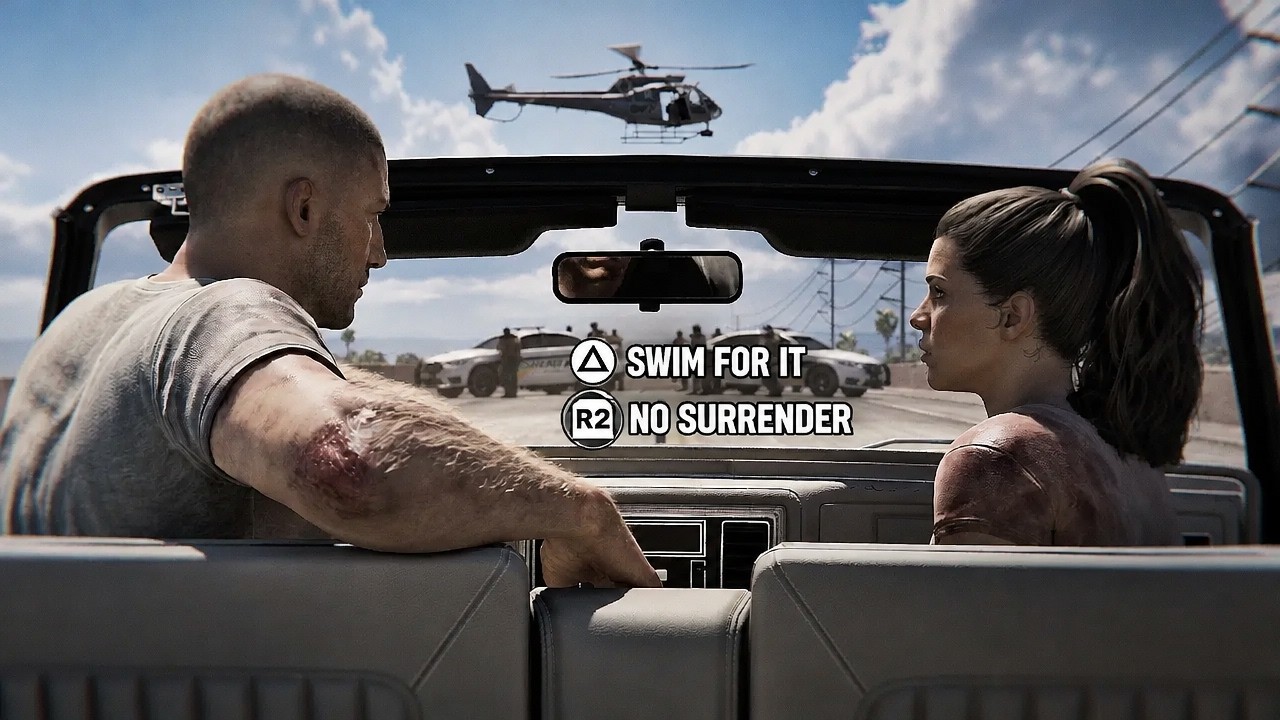
At the bridge, the narrative tension reaches its apex. Having secured the hard drive from the penthouse, Jason and Lucia find themselves cornered by a police blockade. It is here that the game presents the pivotal choice between "Swim For It" or "No Surrender." This choice acts as a filter for several subsequent, more nuanced outcomes. If the player opts for "No Surrender," the narrative trajectory is generally grim, leading to the demise of the protagonists. Conversely, "Swim For It" opens up the possibility of survival, provided the player has adequately prepared their resources and relationship dynamics.

The tower sequence represents a different narrative path, typically triggered when the relationship between Jason and Lucia has not reached a high-affinity threshold. This sequence moves the final confrontation to the base of the skyscraper, where the couple faces overwhelming law enforcement pressure. Here, the player’s choice shifts from survival strategy to tactical combat or surrender, leading to drastically different epilogues for both characters.
Analysis of Ending Variations
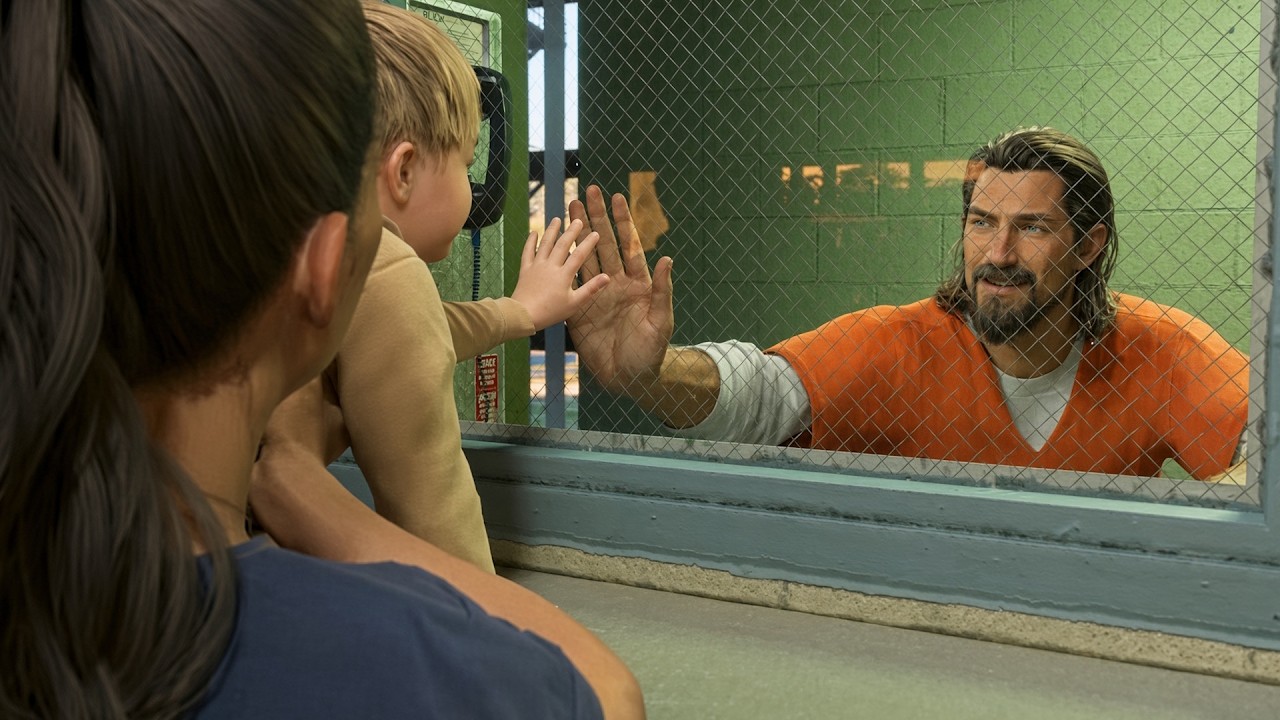
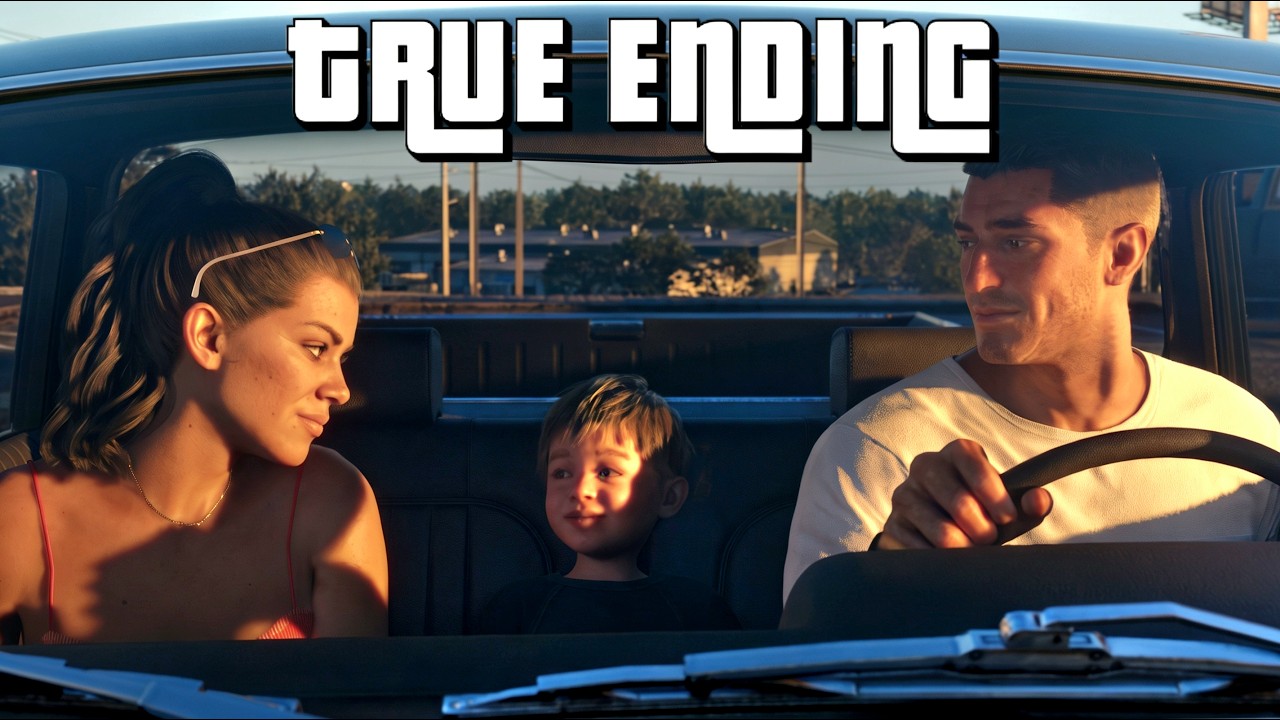
The breadth of these endings demonstrates the developers’ commitment to player agency. Among the most discussed outcomes is the "Happiest Ending," which involves the "Swim for it" path followed by a strategic decision to exit the vehicle and surrender rather than engage in a firefight. This leads to a multi-year time jump where, through careful management of a savings account built throughout the game, Lucia is able to secure legal counsel to facilitate Jason’s release from prison. The emotional payoff—a scene of the reunited family—stands in stark contrast to the "Darkest Ending," the "Make a Deal" path.
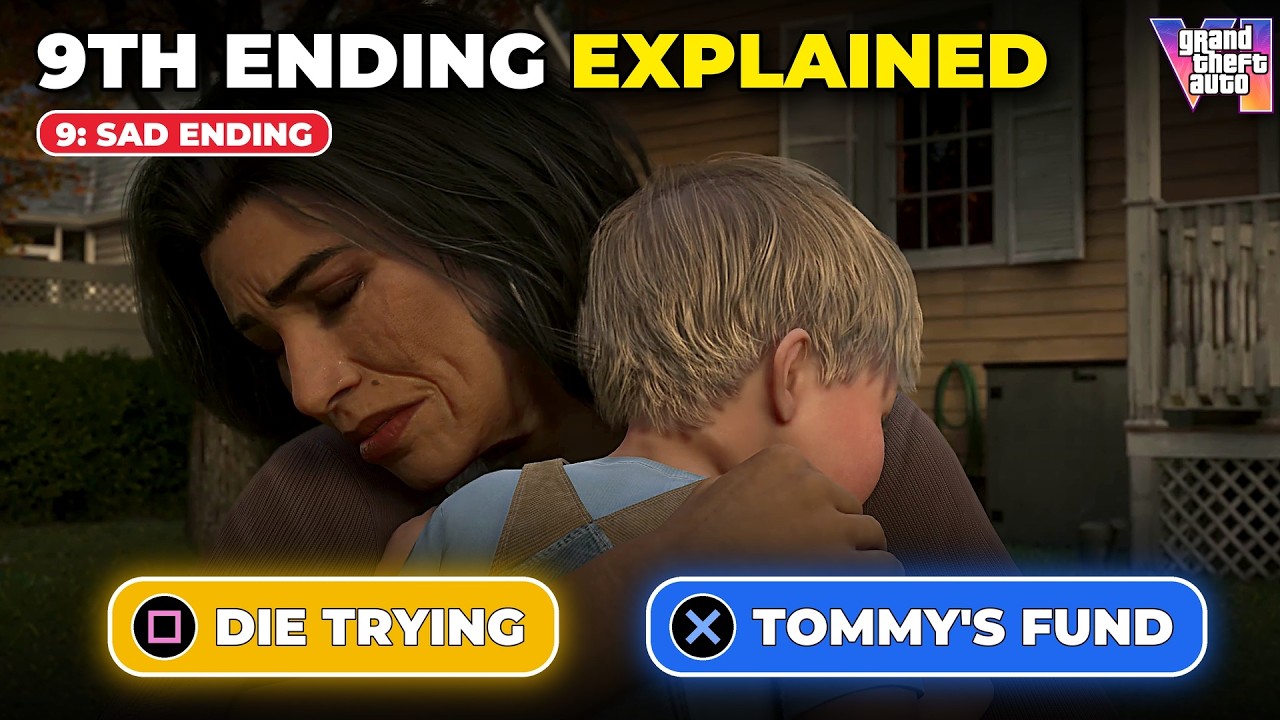
In the "Make a Deal" scenario, the protagonists attempt to negotiate their freedom with the antagonist Mendez. This path consistently results in a tragic conclusion, where the couple is transported to the swamp by their former enemy, resulting in their death. The presence of two skulls in the swamp during the credits serves as a grim punctuation mark for players who prioritize self-preservation over the bond between the two leads.
Other variations, such as the "Jason Escapes" scenario, offer a more surreal departure from the main plot. In this ending, while Lucia is arrested and faces the consequences of their shared life of crime, Jason manages to flee the scene, eventually reaching a new life with the assistance of an unexpected companion—Rocco, the drug-sniffing dog encountered earlier in the game. These variations suggest that Rockstar has built a narrative environment where the player’s past actions are truly reflected in their future.
Supporting Data and Community Observations
While Rockstar Games has remained tight-lipped regarding the total number of permutations, the community has documented at least nine distinct ending variations. Data suggests that the "Professional" criminal profile—achieved through high-stakes, methodical gameplay—is a prerequisite for the more favorable, survival-based outcomes. Players who lean into a "Chaotic" or "Reckless" profile are statistically more likely to trigger the tragic, "No Surrender" endings.
Furthermore, the financial component plays a tangible role. Endings involving the $2 million payout provide clear visual evidence of the narrative impact, such as the quality of the safe house where Tomas, the couple’s son, is raised. In the versions where the money is successfully secured, the environment is visibly more secure and affluent, illustrating the long-term consequences of the player’s illicit activities.
Implications of Player-Driven Narratives
The inclusion of these branching paths marks a significant shift for the Grand Theft Auto series. Historically, the franchise has been criticized for its "on-rails" storytelling, where the player is an observer to the protagonists’ pre-ordained fates. By moving toward a model where the conclusion is earned through gameplay decisions, Rockstar has increased the replayability of the title significantly.
This structure also invites a deeper analysis of the characters themselves. When a player chooses to "Defend Jason" rather than "Stay Down" at the tower, they are making a moral calculation that influences the tone of the entire game’s climax. This shifts the focus from simple mission completion to character-driven storytelling, where the player’s prioritization of the protagonists’ relationship becomes the core engine of the plot.
Official Stance and Future Updates
Rockstar Games has not yet released an official guide detailing the specific requirements for every ending, likely preferring to let the community uncover these secrets through collaborative exploration. However, industry analysts note that such complex narrative systems are often subject to "soft" patches or updates. It is possible that the game may receive future content that introduces additional variables, potentially expanding the current list of endings even further.
For now, the consensus among players is that the "True" or "Best" ending—where the couple survives and reunites—requires a level of discipline and resource management that contrasts with the series’ reputation for unbridled chaos. It challenges the player to view the game not just as a playground for destruction, but as a narrative puzzle where every choice carries a heavy, often permanent, weight.

Broader Impact on the Industry
The success of the Grand Theft Auto VI narrative model is likely to influence upcoming open-world titles. By proving that a massive, systemic sandbox can effectively house a deep, choice-driven narrative, Rockstar has set a new benchmark for narrative design. Other developers will undoubtedly observe how the audience engages with these endings, particularly the emotional resonance of the "happiest" outcome versus the harsh reality of the "darkest" ones.
As the community continues to dissect the game’s code and test various playthrough strategies, the conversation surrounding the endings will likely continue to evolve. For a title that has been arguably the most anticipated in the history of the medium, the ability to deliver not just one, but a multitude of satisfying, meaningful conclusions, cements its place as a landmark in interactive storytelling. Players are encouraged to revisit their saves, experiment with different profiles, and test the limits of the game’s decision-making engine to uncover the remaining secrets that likely still lie within the streets of the fictionalized state of Leonida.