Yuuto Suzuki Hit Manga Sakamoto Days Concludes After Six-Year Run in Weekly Shounen Jump

The popular action-comedy manga Sakamoto Days, created by Yuuto Suzuki, has officially reached its conclusion. The series ended its successful six-year run with the publication of its 284th chapter in the 52nd issue of Shueisha’s flagship magazine, Weekly Shounen Jump, released on Monday. The finale brings closure to the adventures of Tarou Sakamoto, a legendary former hitman-turned-family man whose transition to a peaceful suburban life captured the imaginations of millions of readers worldwide.
Over the course of its serialization, Sakamoto Days established itself as a cornerstone of modern manga, celebrated for its high-octane choreography, deadpan humor, and distinctive character dynamics. Its conclusion marks the end of a significant chapter for Weekly Shounen Jump, which has seen several of its major titles wrap up in recent years, prompting a generational shift within the influential publication.
Chronology and Publishing History
The genesis of Sakamoto Days dates back to December 2019, when Yuuto Suzuki first introduced the concept as a one-shot published in Jump GIGA, a seasonal sister magazine to Weekly Shounen Jump. The one-shot resonated strongly with readers and editorial staff alike, paving the way for a full serialization.
In November 2020, the weekly serialization officially kicked off in Weekly Shounen Jump. Almost concurrently, publisher Shueisha expanded the series’ global reach by launching an English simulpublication on its Manga Plus digital platform, ensuring that international fans could follow the story week by week.
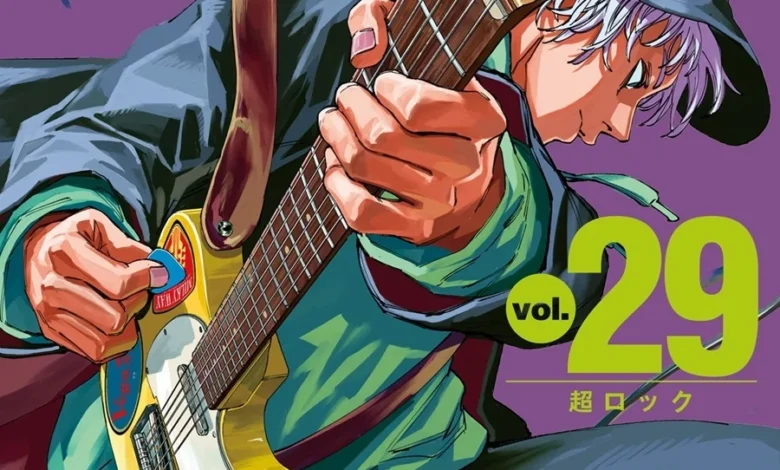
As the manga’s popularity surged, physical volumes followed suit. Shueisha released the 29th collected tankobon volume on November 4, cementing the series’ extensive physical footprint. In the international market, Viz Media licensed the English-language print edition in July 2021. Viz Media has steadily advanced its localization schedule, having released the 23rd volume on September 15, with the 24th volume slated for distribution on December 15.
Sales and Circulation Milestones
Sakamoto Days leaves behind an impressive commercial legacy. According to official figures released by Shueisha, the series boasts over 18 million copies in circulation worldwide. This robust circulation places the manga in elite company among contemporary action titles, reflecting its strong domestic sales in Japan as well as a thriving international readership.
The title’s commercial viability was further amplified by strategic multi-media expansions, most notably its transition into animation. TMS Entertainment adapted the manga into an anime television series, with the first season broadcast in split cours across the Winter 2025 and Summer 2025 anime seasons. Capitalizing on the momentum of both the anime’s success and the manga’s climax, production committees have already confirmed a second season, scheduled to premiere in January 2027. This multi-year pipeline ensures that the Sakamoto Days intellectual property will maintain a prominent presence in the pop culture landscape long after the final chapter’s publication in Weekly Shounen Jump.

Synopsis and Narrative Framework
At the heart of Sakamoto Days is a high-concept premise that subverts traditional shonen tropes. The story centers on Tarou Sakamoto, who was widely regarded as the greatest hitman in the history of the underground world. Feared by syndicates, rivals, and law enforcement alike, Sakamoto sat uncontested at the pinnacle of the criminal underworld until a fateful encounter changed the trajectory of his life forever.
After falling in love with a civilian woman, Sakamoto abruptly abandoned his career in contract killing, chose a quiet domestic life, and settled down to run a neighborhood convenience store. However, leaving the mafia and assassination syndicates behind proved considerably more difficult than anticipated. Former rivals, jealous colleagues, and ambitious newcomers refuse to believe that the legendary killer has truly gone soft.
Bound by a strict personal vow to never kill again, Sakamoto must rely on his formidable intellect, improvised weapons, and uncanny reflexes to subdue his attackers. The narrative stakes are consistently grounded in his desire to protect what matters most: his wife, his daughter, his convenience store, and the peaceful small town he now calls home. This blend of mundane domesticity and explosive, expertly choreographed martial arts action formed the comedic and dramatic backbone of the series throughout its run.
Industry Implications and Broader Impact
The conclusion of Sakamoto Days carries notable implications for the broader manga industry and Shueisha’s editorial strategy. Weekly Shounen Jump has historically relied on long-running battle action franchises to drive its circulation and global subscriber base. With several veteran titles having concluded in recent years, the departure of Sakamoto Days removes another reliable anchor from the magazine’s current roster.
However, the manner in which Sakamoto Days concluded—maintaining high circulation figures, securing a multi-season anime adaptation, and retaining a dedicated global fanbase—underscores the viability of modern action-comedy hybrids within the Shonen demographic. Suzuki’s unique artistic style, characterized by fluid action sequences reminiscent of classic Hong Kong cinema combined with expressive, cartoonish character reactions, has left a noticeable stylistic imprint on aspiring creators within the industry.
Furthermore, the simultaneous availability of the manga via digital platforms like Manga Plus highlights the ongoing globalization of the manga market. The coordinated efforts between Japanese publishers and international distributors to release chapters concurrently have fostered a borderless fandom, ensuring that milestones like the series finale are celebrated simultaneously in Tokyo, New York, and beyond.
As fans digest the final chapters and look ahead to the second season of the anime adaptation in January 2027, the legacy of Sakamoto Days is secure. Yuuto Suzuki’s creation has firmly established itself as a defining manga of the 2020s, proving that even the most feared assassin can find enduring appeal in the quiet rhythm of convenience store retail and family life.