The intersection of medical history, cinematic horror, and human identity is set to be explored in a unique upcoming program in downtown Chicago. The International Museum of Surgical Science (IMSS) has officially unveiled its latest repertory film series, titled Face Value: We Are All Made of Scars. Scheduled to run monthly from January through March 2027, the curated program examines the themes of facial surgery, bodily transformation, personal identity, and psychological obsession through the lens of mid-century international cinema. Developed in partnership with Chicago-based film programmer Stephanie Sack, the program offers audiences a rare opportunity to engage with classic cinematic depictions of surgical horror inside an authentic medical history institution. Given the visceral nature of the subject matter and the intimate venue constraints, public interest in the exclusive screenings is expected to be high among cinephiles and medical history enthusiasts alike.
Main Facts and Venue Context
The setting for Face Value: We Are All Made of Scars is as integral to the experience as the films themselves. Housed within a stately 1917 lakefront mansion located in Chicago’s prestigious Gold Coast neighborhood, the International Museum of Surgical Science stands as a singular cultural landmark. Established in 1954 by Dr. Max Thorek—a pioneering surgeon and founder of the International College of Surgeons—the institution remains North America’s only museum dedicated entirely to the art and science of surgery.
To bridge the gap between the physical reality of medical history and the cinematic narratives presented on screen, each screening in the three-part series will be preceded by a guided, half-hour tour of the museum’s specialized exhibitions. Attendees will have the opportunity to view historical collections such as The Dawn of Modern Plastic Surgery: The Faces of the Great Wars and The Art of Facial Sculpting prior to settling in for the films. Organizers have emphasized the exclusivity of the events, noting that each screening is strictly capped at a mere 30 seats to accommodate the unique spatial layout of the museum environment. Tickets are priced at $20 per screening, with comprehensive scheduling, tour coordination, and reservation details managed directly through the official museum website at imss.org.
Chronology of the Repertory Series

The carefully sequenced three-film slate spans the 1960s, a decade defined by shifting cultural anxieties regarding bodily autonomy, rapid advancements in reconstructive medical technologies, and a growing cinematic appetite for psychological dread. The chronological lineup maps an escalating trajectory from poetic tragedy to outright exploitation and psychological violence.
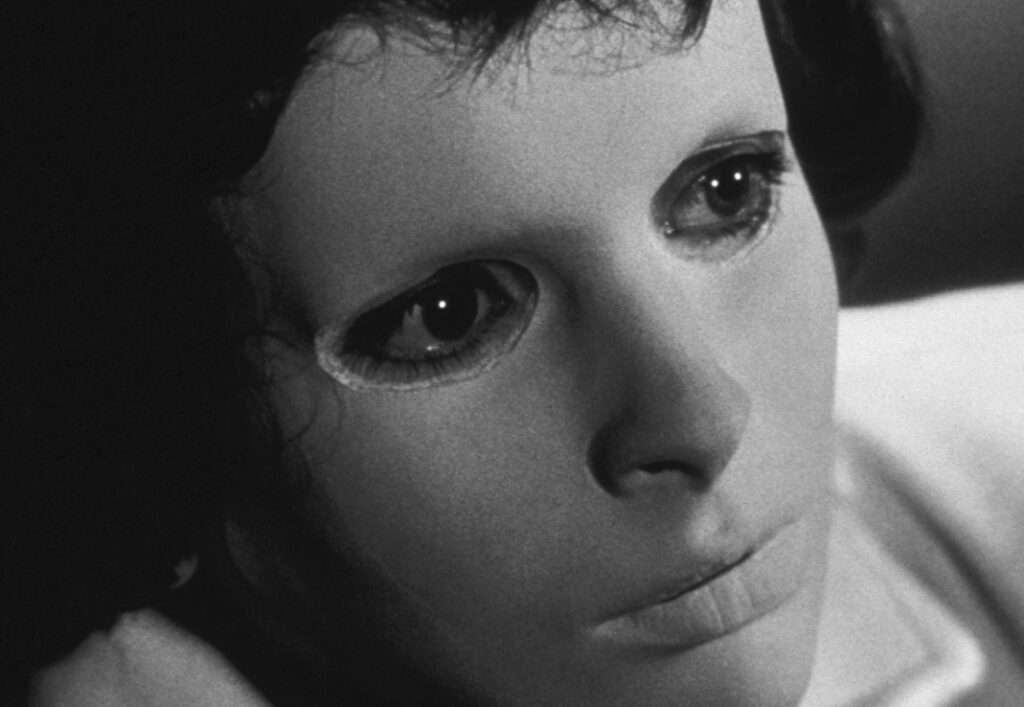
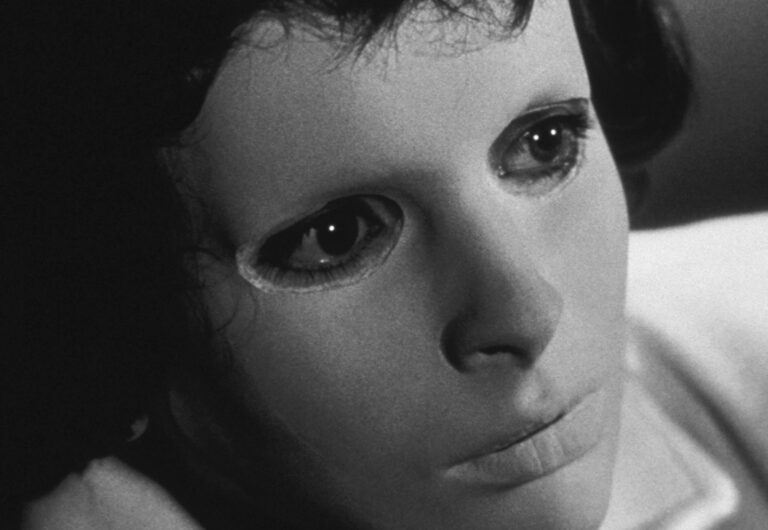
The series opens on January 28, 2027, with a screening of Georges Franju’s 1960 French classic, Eyes Without a Face (Les Yeux sans visage). The film centers on a guilt-ridden surgeon who, driven by remorse over a catastrophic automobile accident that disfigured his daughter, abducts young women in a macabre effort to graft their faces onto his child. Blending lyricism with stark horror, Franju’s masterpiece established a high benchmark for cinematic treatments of surgical obsession.

The program continues on February 25, 2027, with the screening of Hiroshi Teshigahara’s 1966 Japanese psychological drama, The Face of Another. Adapted from the philosophical novel by Kōbō Abe, the narrative follows a disfigured research scientist whose personality unravels after he is fitted with a remarkably lifelike prosthetic mask. This screening will be accompanied by an exclusive post-film Q&A session featuring IMSS curator Mami Takahasi, who will contextualize the film’s themes within the broader history of prosthetics and psychological identity.
The series concludes on March 25, 2027, with Robert Hartford-Davis’s 1968 British horror film, Corruption. Starring legendary horror icon Peter Cushing as a desperate surgeon willing to commit murder to harvest facial tissue and restore his fiancée’s ruined visage, the film provides a gritty, exploitation-adjacent capstone to the retrospective, highlighting the destructive lengths to which obsession can drive an individual.

Supporting Data and Medical Background
The thematic foundation of Face Value: We Are All Made of Scars draws heavily upon the historical realities of reconstructive medicine, particularly the profound psychological and physical impacts of facial trauma. The First World War marked a watershed moment in the history of medicine; trench warfare and the widespread use of artillery produced unprecedented numbers of severe facial injuries, giving rise to modern plastic surgery. Pioneers such as Sir Harold Gillies in the United Kingdom developed radical new grafting and reconstructive techniques out of urgent necessity.

However, medical historians note that the restoration of a physical visage did not always equate to the restoration of an integrated identity. Soldiers returning from the Great War with severe facial disfigurements frequently faced profound social isolation, psychological trauma, and questions of selfhood that literature and cinema would spend decades attempting to unpack. By pairing cinematic works of fiction with archival exhibitions like The Dawn of Modern Plastic Surgery, the IMSS provides visitors with empirical context regarding the physical toll and ethical dilemmas historically associated with altering the human face.
Official Responses and Curator Perspectives

While direct public statements from individual municipal bodies are absent, cultural programmers and museum representatives have framed the series as an exploration of the porous boundary between medical science and bodily vulnerability. Stephanie Sack, collaborating closely with the museum on the programming, selected films that interrogate the human compulsion to manipulate appearance as a means of controlling identity.
Furthermore, the involvement of IMSS curator Mami Takahasi for the February screening of The Face of Another underscores the educational mandate of the institution. Museum leadership has consistently emphasized that public programming must serve to contextualize the historical artifacts on display. By utilizing narrative film as a pedagogical tool, the museum encourages viewers to reflect on the ethical boundaries of surgical intervention, the stigma historically attached to physical differences, and the philosophical implications of facial transplantation long before modern medical science made such procedures a reality.
Broader Impact and Cultural Implications
The decision by the International Museum of Surgical Science to host a specialized horror and art-house repertory series reflects a growing trend among non-traditional cultural institutions: the utilization of genre cinema to engage new audiences with archival collections. By stepping outside the traditional boundaries of museum curation, institutions like the IMSS are finding innovative ways to animate static historical displays through interdisciplinary programming.

From a cultural standpoint, the series arrives at a time when societal conversations surrounding cosmetic alteration, digital identity, and bodily modification are increasingly prominent. Although the films selected for Face Value reflect the anxieties of the mid-20th century—an era defined by post-war reconstruction and the dawn of modern transplant ethics—their core inquiries remain remarkably prescient. The exploration of how an altered appearance dictates social interaction, psychological stability, and internal self-worth resonates deeply within contemporary discourse.
Ultimately, the program serves as a reminder that the fear of losing one’s identity, paired with the desperate desire to reshape the physical self, is a universal and timeless source of human dread. Through this targeted three-month series, Chicago audiences are afforded a rare intersection of academic curation and cinematic exploration, securely anchored within a historic mansion dedicated to the very scalpels and sutures that have shaped modern medicine.