Supergirl: New Trailer and Poster Ignite Renewed Conversation Surrounding the DC Universe Slate

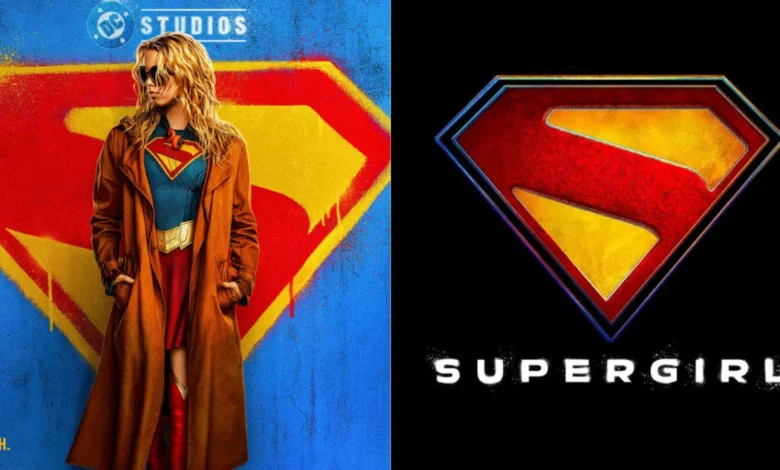
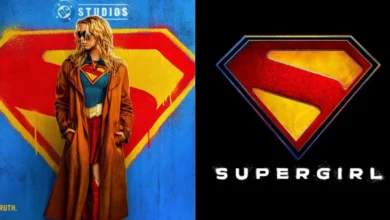
The latest marketing push for the upcoming DC Universe (DCU) feature Supergirl: Woman of Tomorrow has arrived, bringing with it a fresh wave of scrutiny and anticipation regarding the studio’s strategic direction. As the film approaches its scheduled theatrical release on June 26, 2026, the debut of a new trailer and an accompanying promotional poster has reignited public interest in the project, which remains a cornerstone of the rebooted DC cinematic landscape. Led by Milly Alcock in the titular role, the film represents a critical test for DC Studios co-heads James Gunn and Peter Safran as they attempt to define the aesthetic and tonal identity of their new shared universe.
The Evolution of the Supergirl Marketing Campaign
Since the initial teaser for Supergirl dropped late last year, the project has occupied a complex space in the public consciousness. While the casting of Milly Alcock—following her breakout performance in HBO’s House of the Dragon—has received near-unanimous praise from both critics and the core DC fanbase, the broader reception of the film’s visual language has been markedly more polarized.
The initial promotional footage, characterized by a somber and somewhat muted color palette, drew criticism from audiences who expected a more vibrant, cosmic aesthetic in line with Tom King’s acclaimed 2022 comic book miniseries, Supergirl: Woman of Tomorrow, which serves as the film’s primary source material. This disconnect prompted a period of intense online discourse, with many fans noting that the film’s visual tone appeared to contrast sharply with the source material’s bold, space-faring imagery.
The release of the latest trailer appears to be a concerted effort by Warner Bros. Discovery and DC Studios to address these concerns. The new footage features a more dynamic editing pace, highlighting Alcock’s portrayal of Kara Zor-El’s emotional depth while providing glimpses of new environments that hint at a more expansive, intergalactic scale. By emphasizing the "punk rock" sensibilities and the hardened, weary nature of the character, the studio seems to be leaning into the specific nuances of the Woman of Tomorrow narrative rather than attempting a traditional "origin story" framework.
Contextualizing the DCU Reset
To understand the stakes surrounding the release of Supergirl, one must look at the broader timeline of the DCU. Following the conclusion of the previous iteration of the cinematic universe, James Gunn and Peter Safran were tasked with establishing a cohesive, long-form narrative structure. The release of Superman (formerly titled Superman: Legacy) serves as the formal launchpad for this continuity.
Supergirl occupies a vital position in this hierarchy. As the second major film in the new slate, it must prove that the DCU can support diverse character arcs beyond the central Superman narrative.
- December 2025: The first teaser trailer is released to mixed reception.
- Early 2026: Reports emerge regarding test screenings, suggesting that while Alcock’s performance is a highlight, the overall structure of the film underwent revisions to better balance tone and pacing.
- May 2026: DC Studios initiates the final phase of the marketing campaign, including new posters and digital assets.
- June 26, 2026: The official theatrical release date.
These milestones highlight the iterative nature of modern blockbuster filmmaking. The reports of early test screenings—which noted a desire for more focus on Alcock’s character—are common in the development of tentpole franchises, yet they carry added weight here as the studio seeks to build trust with a skeptical audience.
Analyzing the Creative Pivot
The recent promotional materials provide a window into the potential adjustments made by director Craig Gillespie and the production team. By pivoting the focus toward the character-driven elements of the script, the studio is signaling a shift toward a more intimate, character-focused film, even within the confines of a high-budget sci-fi spectacle.
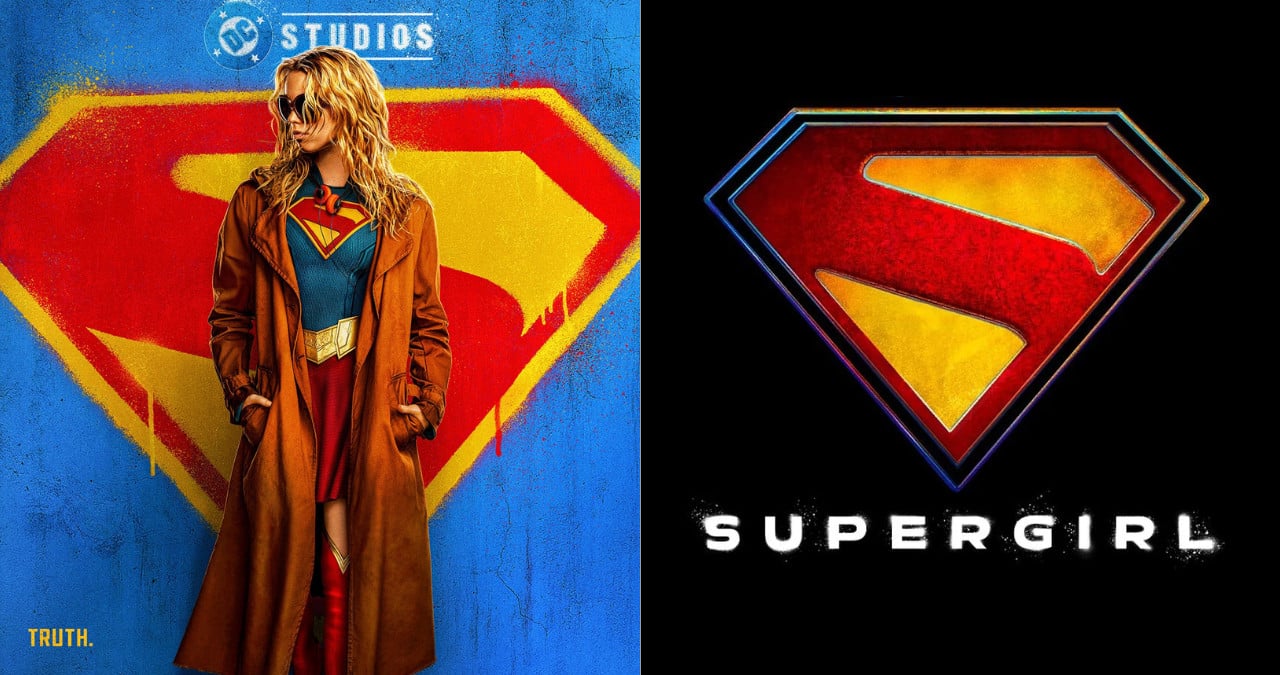
Supporting data from industry tracking firms suggests that "intent-to-view" metrics for Supergirl remain high, bolstered largely by the strength of the casting. However, the conversion from interest to ticket sales remains contingent on the film’s ability to shed the reputation established by the initial, less-received footage. The inclusion of new, vibrant sequences in the latest trailer serves as a visual correction, suggesting that the film’s final cut may feature a broader range of color and tone than the early teasers indicated.
The Role of Leadership and Public Perception
James Gunn has been notably active in managing the discourse surrounding his slate of films. Through his personal social media channels, he has frequently emphasized that the creative process is an ongoing dialogue with the source material and the audience’s expectations. By unveiling the new poster directly, Gunn continues to maintain a personal connection to the marketing strategy, a hallmark of his management style since taking over DC Studios.
The studio’s reliance on incremental reveals—teasers, posters, and brief snippets of footage—is a calculated strategy to maintain momentum without exhausting the audience. This "drip-feed" approach is expected to continue through the month of June, with additional behind-the-scenes content and character vignettes likely to drop in the weeks leading up to the premiere.
Implications for the Future of the DCU
The success of Supergirl is not merely a matter of box office returns; it is a fundamental indicator of the DCU’s viability. If the film performs well, it validates the "Chapter One: Gods and Monsters" strategy, proving that the studio can successfully adapt unconventional comic book stories for a general audience. Conversely, a failure to meet expectations could force a recalibration of the studio’s long-term planning.
Industry analysts point out that the superhero genre is currently experiencing a period of "superhero fatigue," where audiences are increasingly selective about which films warrant a trip to the cinema. For Supergirl to succeed, it must offer a distinct value proposition—something the new trailer attempts to establish by highlighting the character’s unique, cynical, and ultimately heroic journey.
The shift in marketing, moving from the initial muted tones to the current, more vibrant and character-centric approach, suggests that Warner Bros. is sensitive to audience feedback. This agility is a significant departure from the rigidity often associated with previous DC film cycles. Whether this responsiveness will translate into critical and commercial success remains to be seen, but it marks a definitive change in how the studio engages with its consumer base.
Moving Toward the Premiere
As June 26 approaches, the industry will be watching closely to see if the latest promotional efforts successfully coalesce the fragmented sentiment surrounding the film. The focus on Milly Alcock as the emotional anchor of the movie is a strategic decision that places the success of the project squarely on the quality of the performance and the character’s resonance with the audience.
For the DC Universe, Supergirl is more than just a summer release; it is a proof-of-concept for the future. With the marketing now hitting its final, most intense phase, the studio has set the stage for what will undoubtedly be one of the most closely watched cinematic events of the 2026 summer season. Fans and stakeholders alike are now waiting to see if the final product, as seen on the big screen, delivers on the promise of this renewed promotional vision.