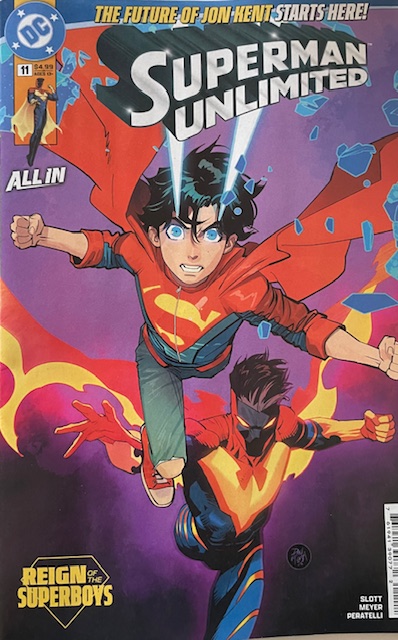
The latest installment of the DC Comics series Superman Unlimited, issue number 11, arrives at a critical juncture for the character of Jon Kent, navigating the complex narrative landscape of his evolution from the fan-favorite pre-teen hero to his current status as a young adult. Written by Dan Slott with interior art provided by Lucas Meyer, the issue serves as both a retrospective of the protagonist’s history and a high-stakes confrontation with a fourth-dimensional antagonist, Master Txyz. As the narrative bridges the gap between the character’s past iterations and his present-day development, the creative team addresses long-standing fan discourse regarding the character’s trajectory within the broader DC Multiverse.
Narrative Framework and Chronology
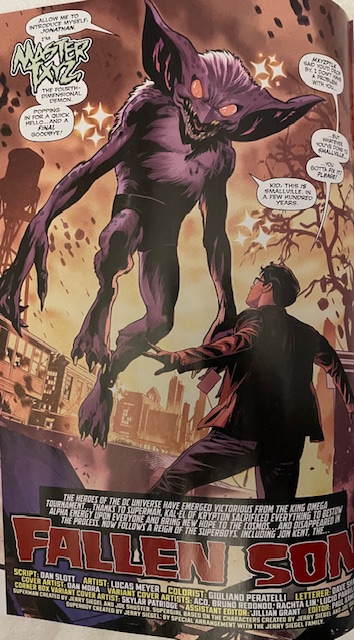
The plot of Superman Unlimited 11 centers on Jon Kent’s struggle against a formidable foe from the future. The script utilizes a structural device that forces the protagonist to reconcile his current reality with his formative years. This is achieved through a series of sequences that act as a chronological audit of Jon’s life, utilizing the Fourth Dimensional Demon, Master Txyz, as the catalyst for this temporal journey.
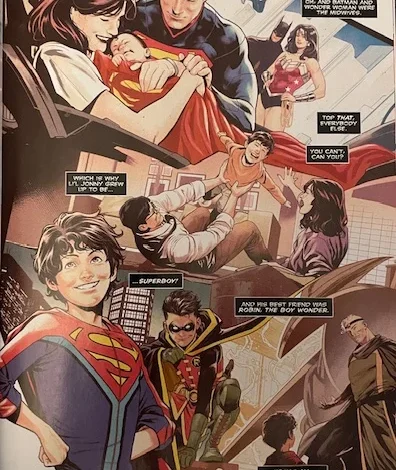
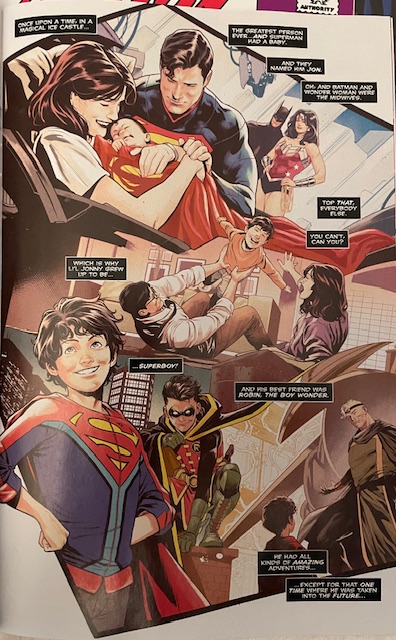
The issue functions as a pivotal point in the ongoing Superman Unlimited run. By placing Jon in a situation where he must confront the "Super-Sons" era of his history—a period defined by his partnership with Damian Wayne—Slott provides a structural acknowledgement of the character’s origins. This integration is not merely nostalgic; it is framed as a necessary development for Jon to reclaim agency over his identity. The narrative progression suggests that in order to move forward, the character must integrate the emotional weight of his youth, effectively synthesizing his past experiences with his future responsibilities.
Character Evolution and The Agency Question
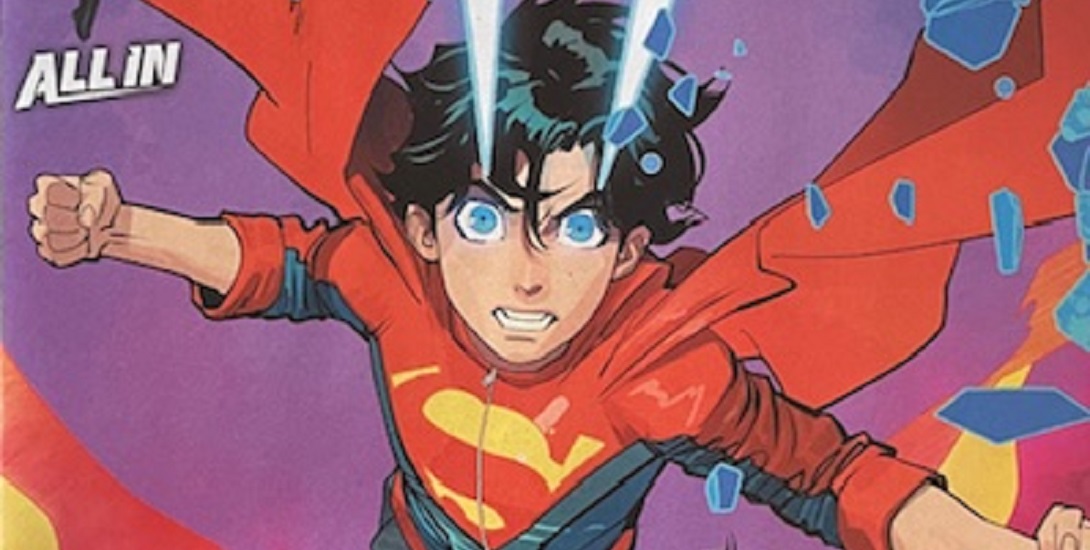
Since the significant temporal aging of Jon Kent during the Brian Michael Bendis tenure, the character has faced considerable criticism from a segment of the reader base that favored the younger, pre-teen version of the hero. Dan Slott’s approach in issue 11 appears to be a concerted effort to provide narrative justification for this transition. By granting Jon a newfound intensity and a clearly defined sense of agency, the script attempts to move beyond the controversy of the "aging up" decision and instead focuses on the psychological depth of a character who has been forced to mature at an accelerated rate.
The introduction of a new heroic moniker, which the character adopts within these pages, is presented as a strategic attempt to solidify his identity. This is not the first time a change in codename has been attempted, but the narrative weight placed on this specific iteration indicates a potential long-term shift in the character’s status quo. The issue implies that this name carries symbolic significance, suggesting that the creative team is positioning this development as a foundational element for future storylines rather than a transient editorial change.
Artistic Execution and Visual Storytelling
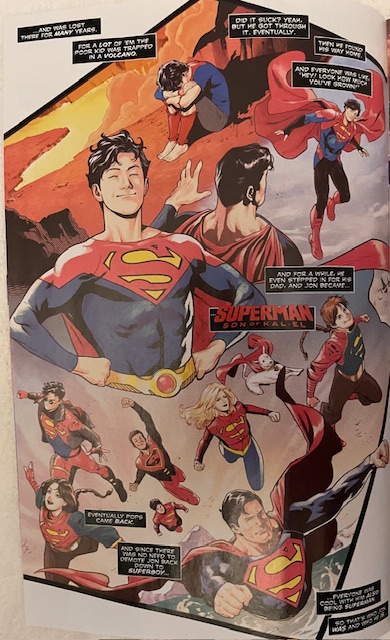
The visual narrative, spearheaded by artist Lucas Meyer and colorist Giuliano Peratelli, is instrumental in carrying the weight of the script. Meyer’s work is particularly notable during the montage sequences, which condense years of character history into accessible, emotionally resonant panels. The art serves as a visual shorthand for the character’s journey, allowing the reader to observe the transition from his childhood to his current state without the need for extensive exposition.
The color palette utilized by Peratelli complements the high-concept nature of the Fourth Dimension, grounding the surreal elements of Master Txyz’s influence against the more intimate, character-driven moments of the protagonist’s life. Letters by Dave Sharpe maintain a clear, consistent flow, ensuring that the dialogue-heavy sequences—which are essential for the character’s internal monologue—remain readable despite the dense script.
Contextual Background and Broader Implications
The "Super-Sons" dynamic has historically been one of the most commercially and critically successful facets of the modern DC landscape. The inclusion of these elements in Superman Unlimited 11 acts as a thematic anchor. When examining the broader DC Comics publication history, the transition from the Super-Sons dynamic to the young adult Superman has been a point of contention regarding character continuity.
Historically, editorial decisions regarding character aging in comics have served as a barometer for the publisher’s intent to reach new demographics versus retaining long-term legacy fans. By revisiting the Super-Sons era, Dan Slott provides a bridge that respects the history of the character while simultaneously demanding that the reader engage with the current, more mature version of Jon Kent. This dual-focus approach serves as a litmus test for the series; the success of the title in the coming months will likely depend on whether this integration of old and new can sustain long-term engagement.
Industry Reception and Analytical Analysis
From an analytical standpoint, Superman Unlimited 11 is a dense, fast-paced issue that prioritizes character growth over static action. While some critics of modern comic book pacing may find the narrative density to be an issue—as the story unfolds quickly despite the complexity of its themes—it is evident that the creative team is working within a constrained page count to deliver significant character development.
The issue’s climax leaves several plot threads open-ended, particularly concerning the long-term impact of Master Txyz and the nature of Jon’s new identity. This "teaser" structure is indicative of a broader editorial strategy aimed at fostering anticipation for subsequent arcs. The primary question remaining for industry observers is whether this development will finally quell the debate surrounding the character’s history or if it will merely serve as a temporary detour before returning to established norms.

Conclusion and Future Trajectory
The verdict for Superman Unlimited 11 rests largely on the audience’s willingness to accept the evolution of Jon Kent. By utilizing a high-concept temporal threat to force a psychological reckoning, the issue successfully creates a bridge between the character’s past and his future. Whether the adoption of the new heroic mantle will "stick" remains to be seen, but the narrative effort to provide depth and agency to the character is an objective step forward for the title.
As the series continues, the implications of these events will be measured against the durability of the current status quo. If the creative team can maintain the balance between the emotional resonance of the Super-Sons era and the intensity of the character’s current path, Superman Unlimited could emerge as a definitive title for the next generation of DC heroes. However, the reliance on past nostalgia as a vehicle for current development remains a delicate tightrope walk that will continue to be evaluated by the comic book community in the months ahead. For now, the issue stands as a bold attempt to reconcile a fractured history and establish a more stable, compelling future for the Son of Kal-El.
Related posts: