Sam Raimi Teams With Decentralized Pictures to Launch the Sam Raimi Horror Award for Emerging Filmmakers

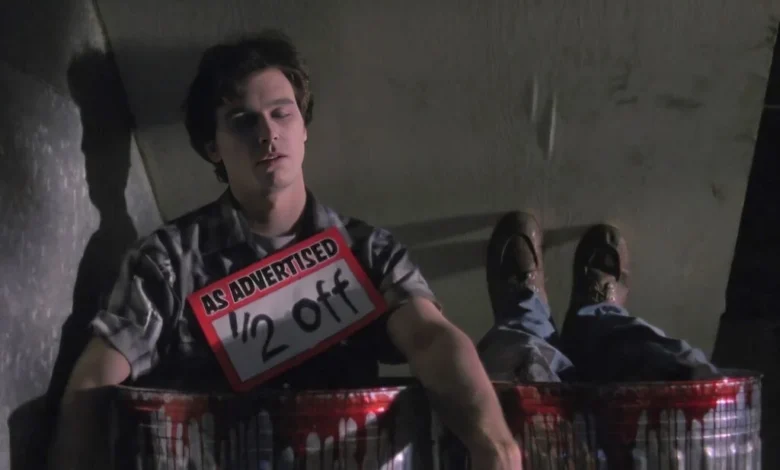
Legendary filmmaker Sam Raimi is stepping forward to champion the next generation of cinematic terror. In a major partnership with the non-profit film financing and distribution platform Decentralized Pictures (DCP), Raimi has officially announced the launch of the Sam Raimi Horror Award. Designed to unearth fresh, distinct voices within the horror genre, the initiative aims to bridge the gap between independent hopefuls and mainstream industry distribution by offering a comprehensive package of financial backing, professional mentorship, and guaranteed platform visibility.
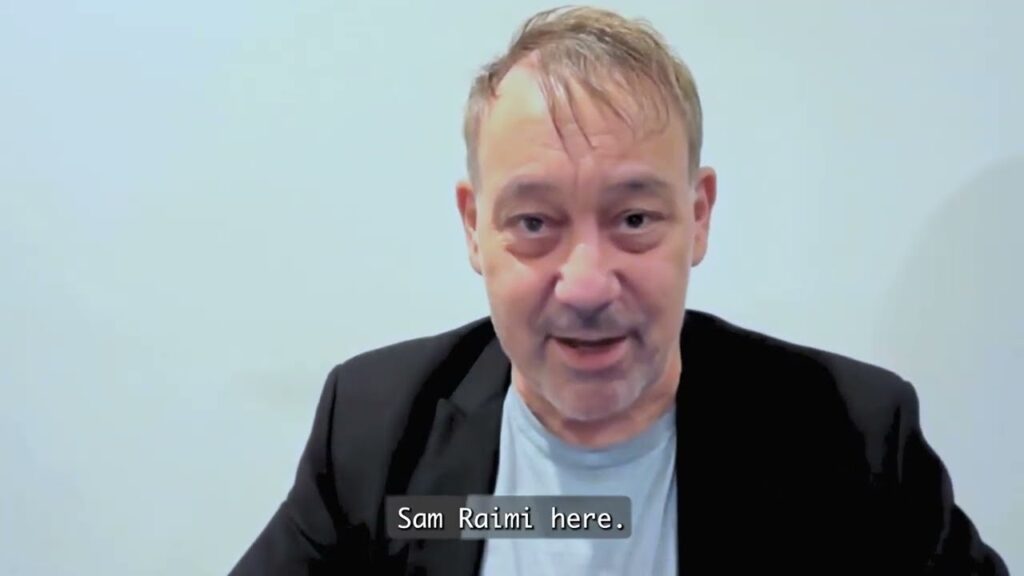
The announcement, which cleared its embargo period on November 4, 2026, marks another high-profile collaboration for Decentralized Pictures. The non-profit organization has steadily built a reputation for democratizing access to the film industry through community-driven curation, previously spearheading similar talent-spotting initiatives such as the Sofia Coppola Short Film Award and the Kevin Smith Casting Award.
An Overview of the Prize Package and Submissions
The newly minted Sam Raimi Horror Award is structured to provide an emerging filmmaker with the foundational resources necessary to bring a visionary short-form project to life. The chosen winner will receive a $25,000 production grant specifically earmarked for the creation of a new short horror film. Beyond direct financing, the package includes hands-on mentorship from established industry veterans, prints and advertising (P&A) support, and secured distribution of the completed short film on the upcoming DCP+ streaming platform.
Submissions for the inaugural award are currently open and will run through December 31, 2026. Aspiring applicants are encouraged to interpret the horror genre through original, unconventional lenses—whether their concepts lean toward psychological dread, supernatural terror, visceral gore, dark comedy, or experimental storytelling.

To maintain the decentralized and community-centric ethos of the platform, the submission process requires a $25 entry fee. In keeping with DCP’s operational model, these fees are directly redistributed to compensate the platform’s community reviewers, who play an active role in vetting and scoring submitted projects.
Chronology and Selection Committee

Following the December 31 submission deadline, a rigorous two-week community review period will commence. During this window, registered reviewers on the Decentralized Pictures platform will evaluate the pool of applicants, narrowing the field down to a select group of finalists.
Once the finalists are determined, a high-profile panel of industry leaders will step in to select the ultimate winner. Sam Raimi will head the judging panel, joined by an eclectic mix of filmmakers, producers, and genre authorities, including Roman Coppola, Jed Shepherd, Eduardo Sanchez, Leo Matchett, and Emma Raimi. The ultimate winner is expected to be announced shortly after the conclusion of the community review phase.

Background and Context: The Rise of Decentralized Filmmaking
Decentralized Pictures was founded with a clear mandate: to dismantle traditional, often opaque Hollywood gatekeeping by leveraging blockchain-adjacent or community-driven voting systems. By allowing peers and cinephiles to review and champion projects, the platform bypasses conventional executive bottlenecks that frequently leave innovative, micro-budget projects unseen.

The introduction of genre-specific awards bearing the names of master filmmakers has significantly accelerated DCP’s visibility. By attaching names like Sam Raimi—whose contributions to horror range from the groundbreaking, low-budget DIY triumph The Evil Dead (1981) to studio blockbusters like Drag Me to Hell and Doctor Strange in the Multiverse of Madness—the initiative offers participants a rare stamp of approval from a true pioneer of the craft.
"This collaboration with Decentralized Pictures to help elevate promising filmmaking talent has been both a professional and personal passion of mine," Sam Raimi said in a statement accompanying the launch. "I can’t wait to discover the next standout horror visionary that will have audiences screaming in fright and delight."
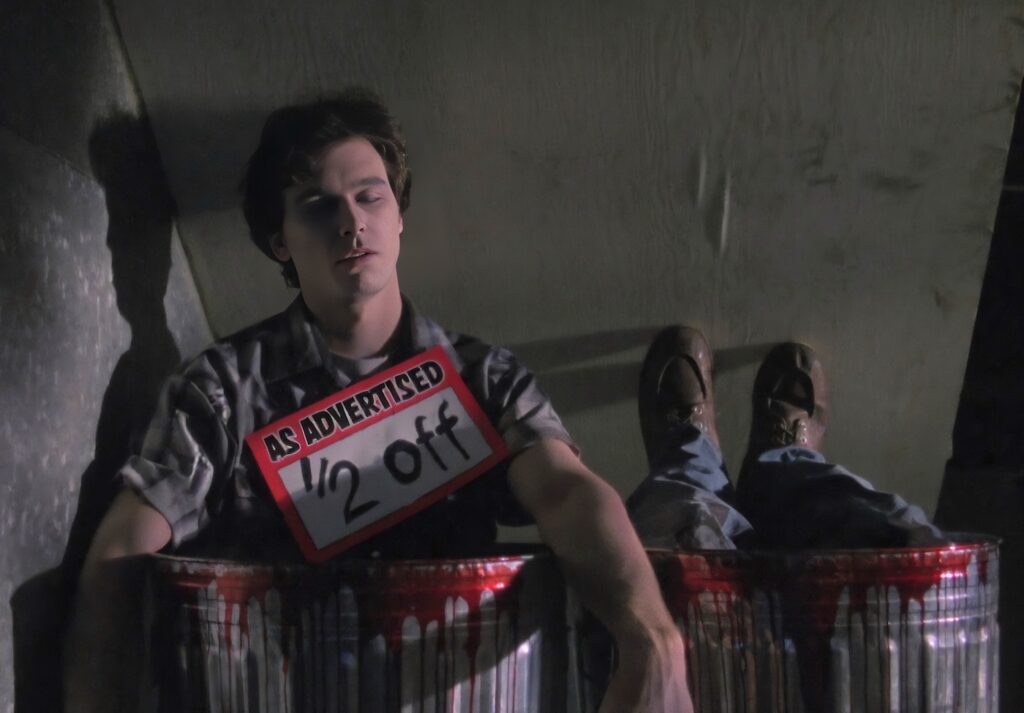
Implications for Independent Horror and Streaming
The launch of the Sam Raimi Horror Award arrives at a time of robust commercial and critical health for the horror genre. In recent years, micro-budget and independent horror features—such as Curry Barker’s viral sensation Milk & Serial and Zach Cregger’s upcoming projects—have demonstrated that audiences increasingly crave authentic, untraditional, and risk-taking visions over recycled studio formulas.
By targeting short-film creators, the award addresses a critical bottleneck in the modern film ecosystem: the transition from making a calling-card short to securing financing and distribution for a sustainable career. The inclusion of DCP+ streaming distribution ensures that the winner’s work will not merely sit on a shelf after a festival run, but will find an active, targeted audience of horror enthusiasts.
Furthermore, the involvement of diverse judges ensures a multifaceted evaluation process. Eduardo Sanchez brings the foundational found-footage expertise of The Blair Witch Project, while Jed Shepherd brings contemporary insight into digital-age horror and viral storytelling. Combined with the production acumen of Roman Coppola and Leo Matchett, the panel offers mentorship uniquely suited to navigating both traditional Hollywood expectations and modern digital distribution landscapes.

How to Apply
Filmmakers interested in submitting their work to the Sam Raimi Horror Award must do so before the December 31 deadline. Complete guidelines, eligibility criteria, and submission portals are currently accessible via the official Decentralized Pictures award page at app.decentralized.pictures/awards.

As the horror genre continues to evolve through technological innovation and shifting distribution models, initiatives like the Sam Raimi Horror Award ensure that the next generation of terrifying storytellers have the institutional backing, financial resources, and creative freedom to haunt audiences for decades to come.
Related posts: