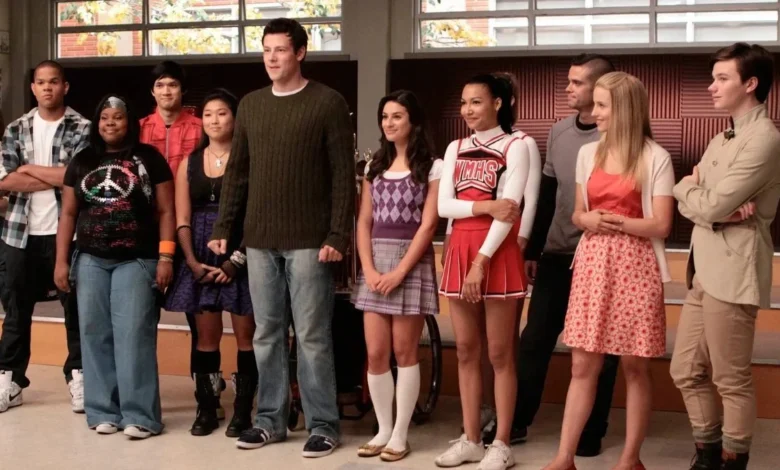
The television landscape is set for a significant shift as Disney+ and Hulu have officially confirmed the production of a reboot of the critically acclaimed and commercially successful musical dramedy, Glee. The announcement, disseminated via the platforms’ official social media channels, confirms that the series, which originally aired on Fox from 2009 to 2015, will be revived to reach a new generation of viewers. The original production, which spanned six seasons and 121 episodes, garnered six Emmy Awards, four Golden Globes, and a Peabody Award, leaving an indelible mark on 21st-century pop culture.
A Chronology of the Glee Phenomenon
The trajectory of Glee began in May 2009 with a pilot episode that immediately captured a broad demographic, blending high school social dynamics with sophisticated musical arrangements. Created by Ryan Murphy, Brad Falchuk, and Ian Brennan, the show followed the McKinley High School glee club, New Directions, as they competed in the cutthroat world of show choir competitions.
Throughout its six-season tenure, the series evolved from a quirky satire into a global media franchise. By 2010, the show’s success led to the "Glee Live! In Concert!" tour, which played to sold-out arenas across North America and Europe. The musical output of the series was equally influential; the show’s cover versions of contemporary and classic songs dominated the Billboard charts. Notably, the Glee cast holds the record for the most entries on the Billboard Hot 100 by any act in the chart’s history, with over 200 charted songs.
The series concluded its run in March 2015, leaving behind a legacy that bridged the gap between traditional broadcast television and the burgeoning digital streaming era. Now, nearly a decade after its finale, the property is being integrated into the Disney-owned streaming ecosystem, marking a strategic move to capitalize on the enduring nostalgia of millennial and Gen Z audiences.
Production and Creative Direction
According to reports, the foundational creative team—Ryan Murphy, Brad Falchuk, and Ian Brennan—have already completed a script for the reboot. While details regarding the plot remain under tight embargo, the involvement of the original creators suggests a continuity in tone and narrative structure.

Industry sources indicate that the production has entered preliminary stages, with Murphy reportedly in active dialogue with approximately ten core cast members from the original run. While the full roster of returning actors has not been finalized, official acknowledgments from Lea Michele, who portrayed the central character Rachel Berry, alongside Heather Morris (Brittany S. Pierce) and Chord Overstreet (Sam Evans), signal a heavy emphasis on reuniting the original ensemble.
The integration of the reboot into Disney+ and Hulu reflects a broader industry trend of "legacy sequels," where streaming services leverage established intellectual property to secure high-engagement content for their platforms. By utilizing the existing fan base of the original series, which continues to maintain a significant presence on Spotify and social media platforms, the studios aim to minimize the risks associated with launching original, unproven concepts.
The Cultural Impact and Legacy Challenges
The return of Glee presents a complex challenge regarding the show’s thematic content. When it premiered in 2009, the series was lauded for its frank, often provocative, approach to sensitive societal issues, including LGBTQ+ rights, racial identity, disability, and socioeconomic inequality. The show’s signature style involved using satire to lampoon high school archetypes, a technique that was highly effective in the pre-social media saturation era.
However, modern television standards have evolved significantly. The blunt, often biting humor that defined the original series—frequently categorized as "camp"—faces a different reception in the contemporary cultural climate. Analysts note that the writing team will need to navigate a delicate balance: maintaining the irreverent, high-energy tone that defined the original while ensuring the content aligns with current social consciousness and inclusivity standards.
Furthermore, the reboot faces the unavoidable challenge of addressing the absence of two of its most prominent stars. The passing of Cory Monteith in 2013 and Naya Rivera in 2020 left a void in the series’ legacy that was felt deeply by both the cast and the global audience. The characters of Finn Hudson and Santana Lopez were central to the show’s emotional arc. The production team is expected to handle the acknowledgment of these losses with extreme sensitivity, likely incorporating the characters’ absences into the narrative structure of the new iteration.
Data and Streaming Trends
The financial viability of the Glee reboot is supported by consistent consumption data. Even years after the show left the air, the series has remained a staple on streaming platforms. Recent metrics suggest that the show continues to average millions of listeners on digital music streaming services, confirming that the "Glee sound"—the polished, high-production-value choral arrangements—remains a marketable commodity.

Market analysts observe that the decision to bring back Glee is part of a larger trend of "nostalgia programming." Following the disruptions of the global pandemic, streaming services have observed a marked increase in the viewership of comfort content—shows that provide a sense of continuity and familiarity. The Glee reboot is positioned to capitalize on this, as it offers a blend of familiar musical tropes and an established fictional world that requires little introduction for returning viewers.
Implications for the Television Industry
The revival of such a high-profile series serves as a litmus test for the industry’s approach to the 2010s era of television. If the Glee reboot succeeds in attracting both the legacy fan base and a new generation of subscribers, it could trigger a wave of similar revivals for other mid-2010s hits.
However, the success of this project is not guaranteed. Recent years have seen a high attrition rate for rebooted series that fail to modernize their approach effectively. The central question remains: can a show that was defined by the specific social and cultural anxieties of 2009 translate into the digital-first, fast-paced environment of the late 2020s?
The creative team’s choice to involve the original actors suggests a "passing of the torch" approach, which may mitigate the risk of alienating long-term fans. The inclusion of new, younger cast members, while not yet officially confirmed, is considered a logical step to ensure the show appeals to current high-school-aged audiences.
Looking Ahead
As of this writing, there is no confirmed release date for the series. Fans are encouraged to utilize the current availability of the original series on Hulu to catch up on the narrative developments of the first six seasons. While the industry awaits further updates on casting and plot specifics, the announcement has already generated a significant volume of discourse online.
The project remains a centerpiece of the Disney/Hulu content strategy, reflecting the high stakes of modern streaming wars. By betting on a known quantity, the studio is signaling a desire to capture the "event television" energy that Glee once provided—a rarity in the current fragmented media landscape. Whether the reboot can replicate the lightning-in-a-bottle success of its predecessor or if it will simply serve as a trip down memory lane remains to be seen. For now, the focus rests on the creators’ ability to weave a new story that respects the past while firmly addressing the realities of the present.