The Demise of BioWare: An Analysis of a Legendary Studio’s Closure and Its Lasting Legacy


The closure of BioWare marks the end of an era for the video game industry, signaling the dissolution of one of the most influential RPG developers in history after years of corporate restructuring and shifting market demands. For decades, the Edmonton-based studio served as the gold standard for narrative-driven role-playing games, pioneering mechanics and storytelling techniques that became foundational to the genre. However, following a protracted period of internal turbulence and a series of commercial disappointments, parent company Electronic Arts has officially shuttered the developer, concluding a storied 30-year journey.
A Chronology of Innovation and Transition
Founded in 1995 by Ray Muzyka, Greg Zeschuk, and Augustine Yip, BioWare initially focused on medical software before transitioning into game development. Their early success came with the 1998 release of Baldur’s Gate, a title that revitalized the computer role-playing game (CRPG) market. The studio’s mastery of the Infinity Engine allowed for a level of depth and tactical complexity previously unseen in the medium.
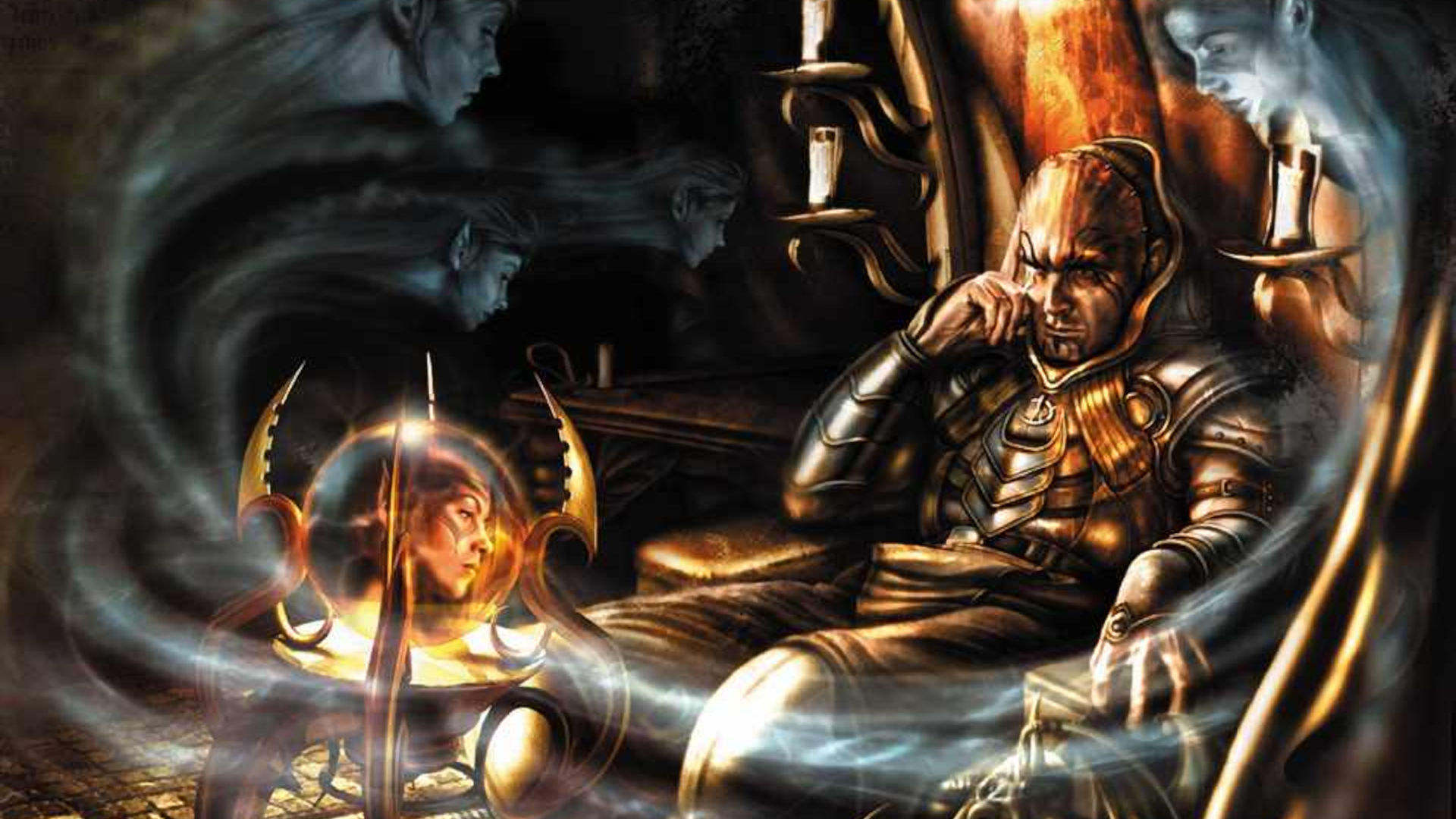
The early 2000s saw the studio expand its reach beyond traditional PC markets. The 2002 release of Neverwinter Nights introduced the Aurora Engine and, crucially, a robust toolset that empowered players to create their own content, fostering a community that remains active to this day. This period also marked the studio’s entry into console development with Star Wars: Knights of the Old Republic (2003), which successfully translated CRPG complexity into an accessible, cinematic format.
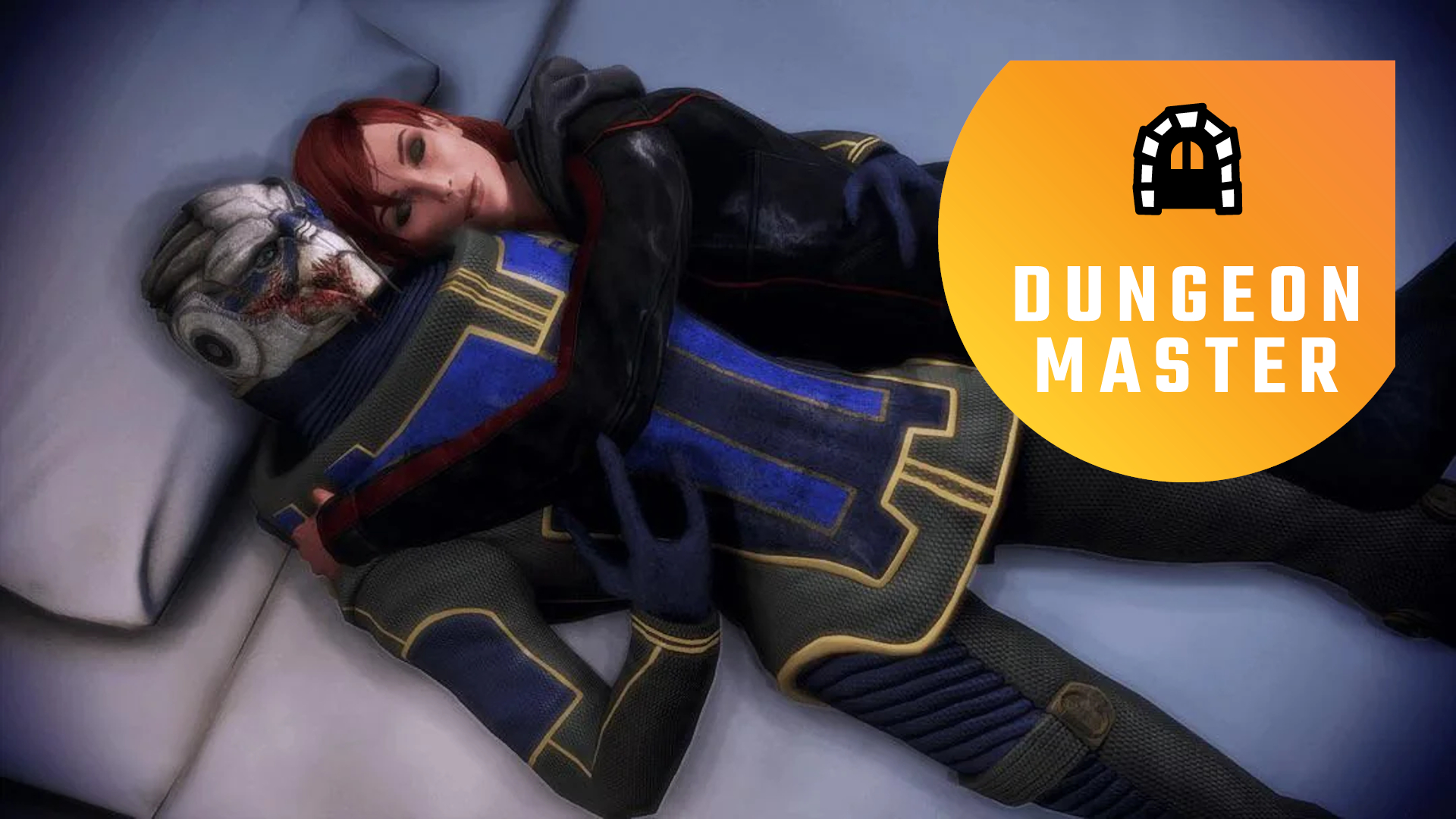
The studio’s trajectory shifted significantly in 2007 when it was acquired by Electronic Arts. Under the EA banner, BioWare leaned heavily into blockbuster, high-fidelity experiences. The Mass Effect trilogy (2007–2012) redefined the player’s relationship with narrative agency, introducing complex morality systems and character-driven subplots that set a new benchmark for AAA titles. Following this, Dragon Age: Origins (2009) proved that there was still a massive, eager audience for tactical, party-based RPGs, even in the age of fast-paced action games.
Corporate Integration and Declining Fortunes
The latter half of the 2010s was defined by internal challenges, many of which stemmed from the mandate to transition all EA-owned studios to the Frostbite engine. Originally designed for the Battlefield series, the engine was notoriously difficult for RPG development, leading to prolonged development cycles and severe "crunch" culture, as seen during the production of Dragon Age: Inquisition and Mass Effect: Andromeda.

Financial data from the period reflects the instability. While titles like Inquisition were commercial successes—selling over 6 million copies—later projects faced mounting criticism. Mass Effect: Andromeda (2017) struggled with technical issues and a lukewarm reception, while the multiplayer-focused Anthem (2019) failed to meet EA’s internal sales expectations, leading to a significant loss of public trust and internal morale.
The release of Dragon Age: The Veilguard in 2024 served as the final chapter. Despite being positioned as a return to form for the studio, the game’s reception was polarized. The shift toward a more action-oriented combat style and a departure from the traditional tactical roots of the series left a portion of the long-term fanbase disillusioned. The commercial performance of the title failed to reverse the long-term decline in the studio’s standing within the industry.
Industry Impact and the Legacy of the "BioWare Style"
The impact of BioWare on the modern gaming landscape cannot be overstated. The studio popularized the concept of "companion relationships," where party members are not merely combat assets but characters with distinct goals, backstories, and the potential for romantic entanglements. This design philosophy is now ubiquitous in modern RPGs, from Larian Studios’ Baldur’s Gate 3 to CD Projekt Red’s The Witcher series.
The studio was also a pioneer in inclusive storytelling. By providing players with the ability to engage in queer romances and explore non-binary character identities, BioWare pushed the boundaries of representation in mainstream gaming. While these design choices frequently drew ire from conservative segments of the audience, the industry at large followed suit, normalizing the inclusion of diverse characters as a standard of modern game development.

Furthermore, BioWare’s influence extends to the very structure of the industry. Many developers who honed their craft at the studio have moved on to form their own influential companies, including Obsidian Entertainment and Archetype Entertainment. These studios continue to build upon the foundation BioWare laid, ensuring that the spirit of the "BioWare-style" choice-and-consequence system remains a pillar of the RPG genre.
Official Responses and Future Implications
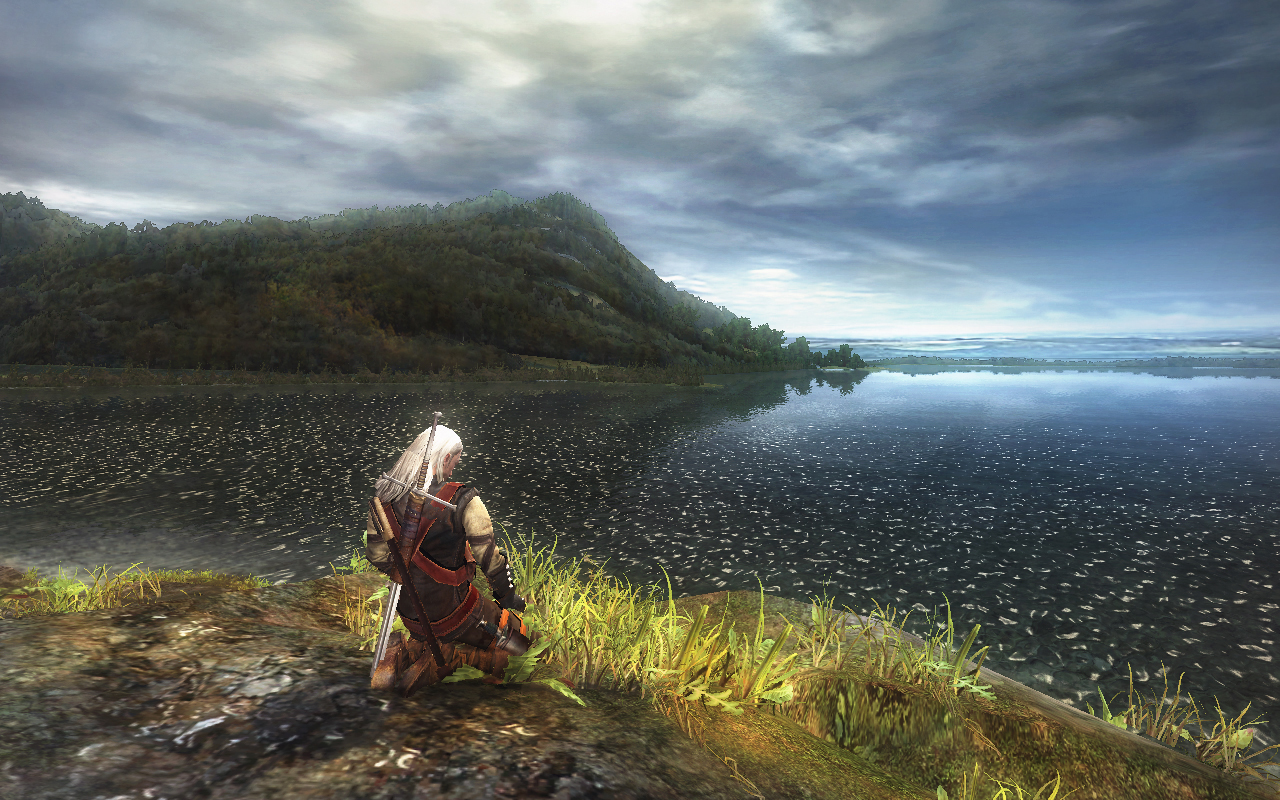
In the wake of the announcement, industry leaders have acknowledged the studio’s foundational role. CD Projekt Red’s joint CEO, Michał Nowakowski, recently issued a statement highlighting the historical importance of the partnership between the two companies. He noted that BioWare provided the technical expertise and support that allowed for the development of the original The Witcher, confirming that the studio’s "wisdom" was instrumental in the growth of the Polish developer.
The immediate future of the properties associated with BioWare remains in flux. While the studio itself is gone, the intellectual property rights remain with Electronic Arts. Reports suggest that the Amazon-produced television adaptation of Mass Effect is still in active development, signaling that EA intends to continue leveraging the brand’s cultural cachet even without the original developers at the helm.
For the industry, the closure of BioWare serves as a somber reminder of the volatility of the AAA development space. The "death by a thousand cuts"—a term often used to describe the steady erosion of creative independence through corporate mandates—has claimed one of the industry’s most storied names.

Analysis of the Closure
The decline of BioWare can be viewed as a microcosm of the broader challenges facing large-scale studios today: the difficulty of maintaining a distinct creative identity under the pressure of quarterly earnings, the risks associated with multi-year development cycles on proprietary engines, and the challenge of balancing the expectations of a legacy fanbase with the need to attract new demographics.
Ultimately, BioWare will be remembered as the studio that bridged the gap between the niche, complex CRPGs of the 1990s and the cinematic, character-driven blockbusters of the 2010s. Its contributions to narrative structure, companion development, and player agency transformed the RPG genre into one of the most profitable and beloved categories in interactive entertainment. As developers across the globe continue to draw inspiration from the works of the Edmonton studio, BioWare’s influence will persist, even if the studio itself has been consigned to history. The closure is a loss for the industry, yet the foundation it built will serve as a bedrock for the next generation of role-playing experiences.