DC Comics Brings Back Matrix Supergirl: A Deep Dive Into the Publisher’s Era of Embracing Continuity and Bizarre Legacy Characters

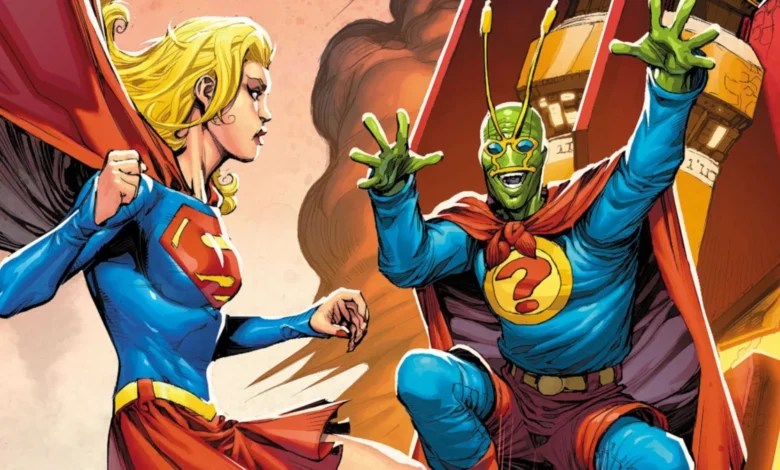
The landscape of superhero comic books is defined by perpetual reinvention, where complex multiversal histories, editorial mandates, and shifting creative rosters routinely produce storytelling concepts that stretch the boundaries of conventional logic. Within the extensive mythos of DC Comics, few characters embody this wonderfully bizarre trajectory quite like Matrix, the protoplasmic shape-shifter created as a compromise during a turbulent era of Superman publishing history. Long considered an obscure relic of the post-Crisis 1980s and 1990s, Matrix has officially made her triumphant and unexpected return to the pages of DC Comics in Supergirl #18. This resurgence not only breathes new life into a forgotten piece of Kryptonian lore but also serves as a definitive milestone in DC’s ongoing editorial philosophy to honor its sprawling, complicated history rather than sanitizing it.
Main Facts of the Return
The publication of Supergirl #18 marks the official reintroduction of Matrix into active DC continuity. In this issue, readers learn the fate of the alternate Maid of Might following years of absence from the narrative forefront. Having reached the biological and structural end of her natural lifespan, Matrix was previously converted into an informational data cube in order to preserve her essence until a method of resurrection could be found.
That resurrection arrived through a fusion with Kara Zor-El’s advanced Super-Substance suit, granting the shapeshifting entity a completely revised form while retaining the core personality, memories, and complicated history that long-time readers remember. With Kara currently experiencing a depowered status quo, Matrix steps directly into the spotlight with an unprecedented opportunity to reclaim the primary mantle of Supergirl. This narrative development arrives at a fascinating intersection of classic lore and modern publishing initiatives, proving that DC Comics is increasingly willing to take creative risks with characters that exist far outside the traditional mainstream comfort zone.
Chronology and Historical Context: The Birth of Matrix
To fully understand the significance of Matrix’s return, one must examine the turbulent chronology of Supergirl’s publishing history in the wake of the watershed 1985–1986 miniseries Crisis on Infinite Earths. Prior to this event, Kara Zor-El was a staple of the Superman mythos as his primary Kryptonian cousin. However, writer and artist John Byrne spearheaded a massive reboot of the Superman franchise with the 1986 miniseries The Man of Steel, which intentionally stripped away virtually all surviving Kryptonians to establish Superman unequivocally as the "Last Son of Krypton." This mandate resulted in the dramatic death of Kara Zor-El during Crisis on Infinite Earths, an editorial decision designed to lower the power scaling of Superman’s universe and make his struggles more grounded.
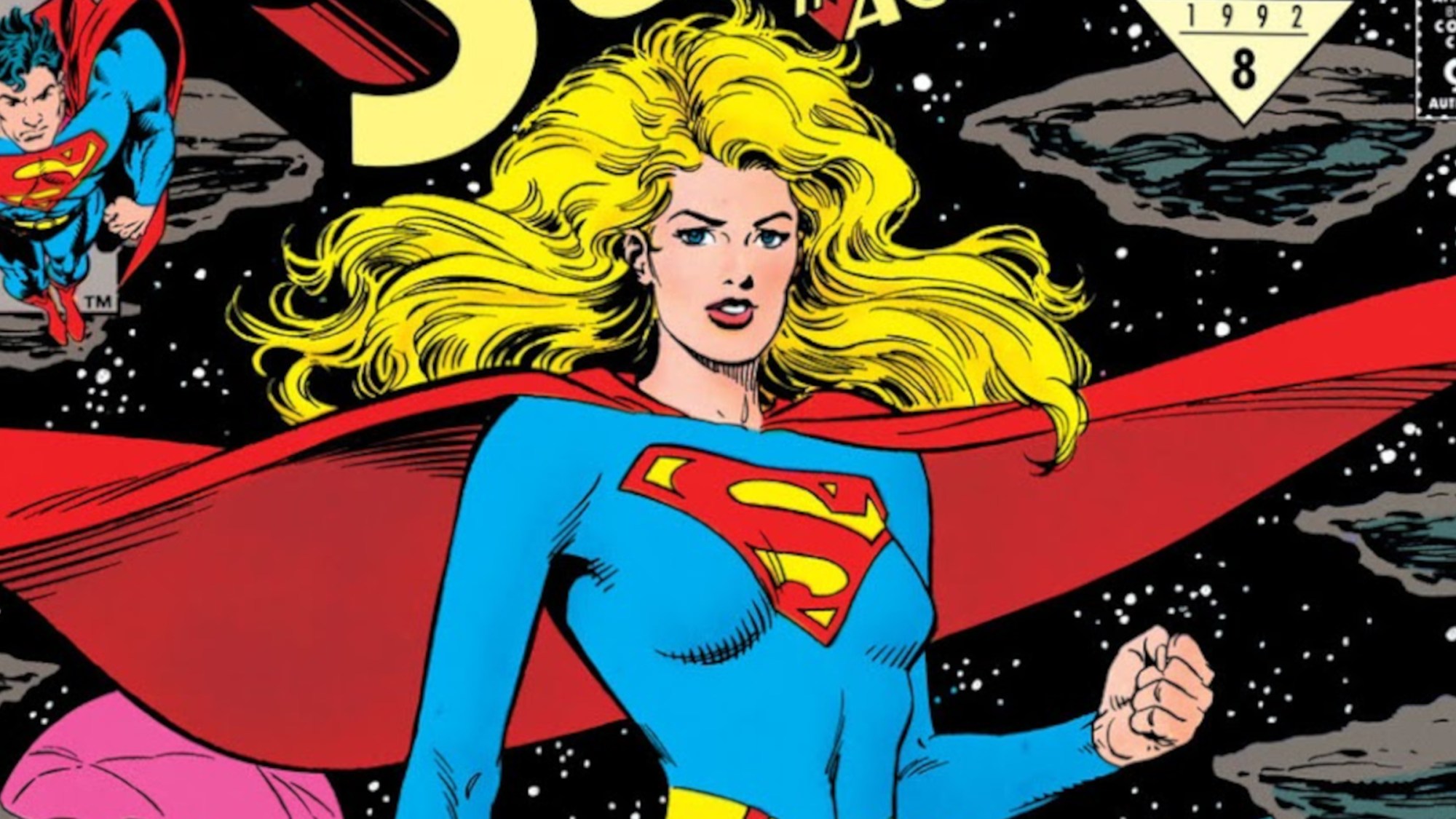
Despite the editorial decree, fan backlash and a persistent demand for a female counterpart to Superman prompted DC to search for a compromise. In 1988, John Byrne introduced Matrix in Superman #16. Originating from a pocket universe, Matrix was a synthetic, protoplasmic organism created by a benevolent iteration of Lex Luthor from her native reality as a biological clone designed to mimic the powers of Superman.
Matrix possessed a staggering array of abilities, including superhuman strength, flight, invulnerability, telekinesis, and total shape-shifting capabilities due to her protoplasmic cellular structure. Initially believing herself to be Lana Lang, Matrix eventually made her way to the mainstream DC Universe (Earth-Prime/New Earth), where she assumed the identity of Supergirl. Her subsequent chronology grew increasingly convoluted: she fell in love with a disguised Lex Luthor II, suffered profound existential crises regarding her artificial nature, and eventually fused with a dying human named Linda Danvers, creating a merged composite Supergirl entity that dominated the title throughout the 1990s.
Supporting Data and Editorial Shifts
The resurrection of Matrix is not merely a nostalgic nod for hardcore continuity enthusiasts; it is a direct byproduct of a wider systemic shift in how DC Comics manages its vast intellectual property library. For decades, the standard corporate playbook for major comic book publishers involved aggressive continuity pruning. Major events like the aforementioned Crisis on Infinite Earths (1985), Zero Hour (1994), Infinite Crisis (2005), Flashpoint (2011), and the New 52 initiative were routinely deployed to streamline characters, erase cumbersome backstories, and present a more palatable entry point for uninitiated readers.
However, market research and fan response over the past decade indicated that these repeated reboots often alienated long-term readers without necessarily capturing the sustained interest of new demographics. The pivot toward embracing deep-continuity history formally began with DC Rebirth in 2016, a publishing initiative designed to restore the emotional heart and historical legacy that fans felt had been stripped away during the New 52 era.
This philosophy accelerated dramatically following the conclusion of the 2020–2021 event miniseries Dark Nights: Death Metal, penned by Scott Snyder. The finale of Death Metal officially broke down the barriers of past continuity reboots, restoring the memories of DC characters across all historical eras, timelines, and alternate universes. In the wake of this omniverse-restoring event, DC unlocked its historical vault. The results have transformed the publisher’s lineup: Wally West reclaimed his definitive place as the primary Flash alongside his restored family, fan-favorite Gotham Knights such as Cassandra Cain and Stephanie Brown returned prominently to active duty as Batgirl, and legacy characters once relegated to the dustbins of comic book history were welcomed back into active circulation.
Analysis of Implications and Industry Impact
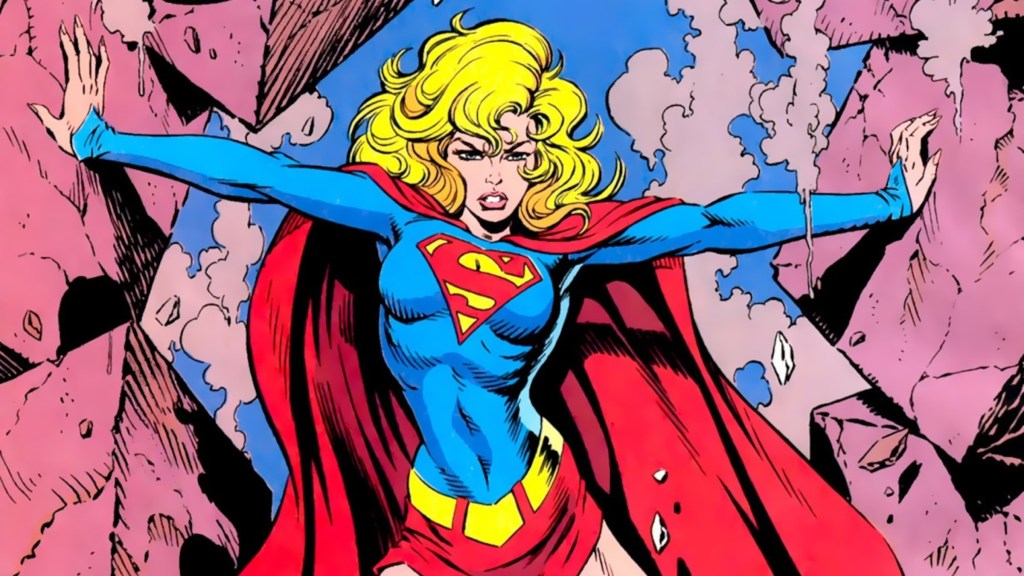
The inclusion of Matrix in Supergirl #18 carries profound implications for the editorial strategy of DC Comics and the narrative architecture of the Super-family of titles. From a purely structural perspective, Supergirl as a franchise has historically struggled to maintain a consistent solo book presence compared to heavyweights like Batman, Superman, or Wonder Woman. Introducing a complex legacy character with a notoriously convoluted background into an already intricate mythos could theoretically risk alienating readers or overcrowding the narrative space.
Yet, industry analysts note that this move demonstrates a newfound confidence from DC’s editorial team. Instead of running away from the eccentric, science-fiction-heavy, and melodramatic aspects of 1990s comic book history, the publisher is leaning into them as distinctive selling points. By allowing a character like Matrix—who was essentially created to circumvent an editorial rule about Kryptonian survivors—to return and potentially lead the book while Kara navigates her own power struggles, DC signals that no character is too obscure or bizarre to be revitalized with strong creative execution.
Furthermore, this creative direction aligns with a broader industry trend where character depth and historical appreciation outweigh the superficial pursuit of clean, minimalist continuity. As comic book adaptations continue to dominate global media, audiences have proven increasingly sophisticated, demonstrating an appetite for complex, layered narratives that honor decades of storytelling rather than continuously resetting the clock.
Broader Industry Reception and Future Outlook
While official statements from DC Comics executives frame these legacy returns as a celebration of the company’s rich creative heritage, early reactions from comic book critics and fan communities suggest overwhelmingly positive reception toward Matrix’s comeback. Discussions across digital comics forums and review platforms have highlighted the unexpected nature of the return, praising current creative teams for finding innovative ways to bridge golden-age and modern storytelling tropes—such as tying Matrix’s resurrection to Kara’s Super-Substance suit.
As Supergirl #18 circulates in comic book shops and digital platforms, the immediate future of the franchise looks refreshingly unpredictable. Whether Matrix maintains her position as the primary Maid of Might for the long term or serves as a catalyst for a deeper exploration of Kara Zor-El’s identity, her return stands as a testament to the resilient, ever-evolving nature of superhero fiction. In an era where corporate media properties are frequently homogenized for mass appeal, DC’s willingness to embrace its strangest historical artifacts ensures that the medium retains the imaginative spark that made it enduring in the first place.