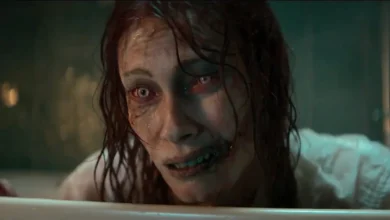
More than half a century after its initial theatrical release in December 1973, William Friedkin’s cinematic adaptation of William Peter Blatty’s novel The Exorcist remains an unshakeable cornerstone of the horror genre. Widely regarded by critics and audiences alike as a benchmark for psychological and supernatural terror, the film’s cultural footprint has dictated the trajectory of its subsequent franchise expansions. For decades, legacy sequels, television adaptations, and soft reboots—ranging from the short-lived 2016 Fox television series to David Gordon Green’s 2023 feature The Exorcist: Believer—have cleaved closely to the core iconography, thematic tropes, and character lineages established by the original masterwork.
Given this historical adherence to Friedkin’s foundational blueprint, industry expectations pointed toward a similar trajectory for acclaimed horror filmmaker Mike Flanagan’s upcoming contribution to the franchise, titled The Exorcist: Martyrs. However, recent promotional details indicate that Flanagan is charting a markedly different course. Rather than recycling the domestic demonic possession template of the 1973 film, The Exorcist: Martyrs appears to draw its narrative DNA from a largely sidelined chapter of the franchise: William Peter Blatty’s 1983 novel Legion and its 1990 cinematic adaptation, The Exorcist III.
Narrative Shift: Detectives, Serial Killers, and Procedural Horror
According to an exclusive first-look feature published by Esquire, the plot of The Exorcist: Martyrs pivots away from the domestic trauma of afflicted children and desperate parents. Instead, the narrative centers on an NYPD detective named Julie Miller, portrayed by Scarlett Johansson. Miller finds herself inexorably drawn into a sprawling and deeply unsettling criminal mystery following the apprehension of a notorious serial killer known as "Father Sunday," played by John Leguizamo.
While the original 1973 film features virtually no procedural police work, focusing entirely on medical diagnostics, secular skepticism, and Catholic ritual, the broader literary and cinematic franchise is no stranger to the crime genre. The blending of police procedural elements with theological horror is the defining characteristic of The Exorcist III, which Flanagan has openly praised, describing Blatty’s Legion to Esquire as "a wonderful novel."
This stylistic and structural pivot represents a calculated departure from the formula that modern studio legacy sequels typically employ. By utilizing a detective protagonist and a serial killer antagonist, Flanagan is actively resurrecting the narrative sensibilities of a film that spent decades fighting for critical and commercial reappraisal.
A Look Back: The Franchise Chronology and the Legacy of Legion
To understand the weight of Flanagan’s creative choice, it is necessary to examine the tumultuous release and reception history of the Exorcist franchise over the past fifty years:
- December 1973: Warner Bros. releases The Exorcist, directed by William Friedkin from a screenplay by William Peter Blatty. The film becomes a massive cultural and financial phenomenon, grossing over $441 million worldwide against a modest budget and earning ten Academy Award nominations, winning two (Best Adapted Screenplay and Best Sound).
- June 1977: Exorcist II: The Heretic, directed by John Boorman, hits theaters. Devoid of involvement from Friedkin or Blatty, the sequel is critically panned and widely rejected by audiences for its surreal, convoluted narrative departures from the original film.
- August 1990: Frustrated by the direction of the second film, William Peter Blatty takes the director’s chair to adapt his 1983 novel Legion as The Exorcist III. The studio forces significant reshoots and the inclusion of a traditional exorcism climax, altering Blatty’s original vision, which focused primarily on philosophical debates and forensic detection.
- September 2016: A television continuation of The Exorcist premieres on Fox, running for two seasons with a dedicated cult following but limited mainstream cultural impact.
- October 2023: Universal Pictures and Blumhouse release The Exorcist: Believer, directed by David Gordon Green. Positioned as a direct sequel to the 1973 original and featuring the return of Ellen Burstyn as Chris MacNeil, the film receives mixed-to-negative reviews from critics, prompting a creative restructuring of the planned trilogy.
- March 2027: Mike Flanagan’s The Exorcist: Martyrs is scheduled for a theatrical release by Universal Pictures, setting a new course for the property by shifting its thematic focus toward the procedural and psychological territory of The Exorcist III.
The Precedent of The Exorcist III
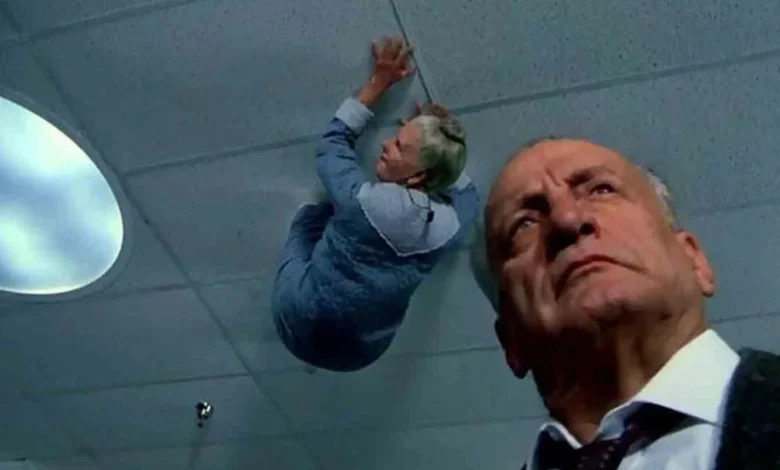
In The Exorcist III, the legendary George C. Scott stepped into the role of Lieutenant William Kinderman—a character originally played by Lee J. Cobb in the 1973 film. Kinderman is tasked with investigating a series of ritualistic murders taking place around Washington, D.C., which bear the unmistakable signature of the "Gemini Killer" (played by Brad Dourif). The chilling catch is that the Gemini Killer was executed more than a decade prior. Concurrently, Kinderman discovers that Father Damien Karras—the Jesuit priest who seemingly perished at the climax of the first film after casting the demon out of Regan MacNeil—is alive and institutionalized in a psychiatric ward, inhabited by the consciousness of the dead serial killer.
Because of its heavy reliance on detective work, philosophical dialogue, and atmospheric dread, The Exorcist III often played more like a sophisticated neo-noir crime thriller than a traditional supernatural horror picture. While it contained what many critics still cite as one of the most effective and shocking jump scares in horror history—the hospital hallway decapitation sequence—the film’s genre-hybrid nature confounded contemporary audiences who expected the relentless, visceral terror of Friedkin’s original work. Consequently, The Exorcist III met with a lukewarm box office and mixed critical notices upon release.

Over the decades, however, critical re-evaluations have elevated The Exorcist III to cult classic status, celebrated for its intellectual rigor, Dourif’s blistering performance, and Scott’s world-weary gravitas. Flanagan’s decision to lean into this specific lineage suggests that The Exorcist: Martyrs will similarly prioritize institutional corruption, psychological dualism, and forensic investigation over straightforward shock tactics.
Industry Context and Flanagan’s Creative Vision
Mike Flanagan has established himself as one of the preeminent modern voices in horror television and cinema, having helmed acclaimed projects such as The Haunting of Hill House, Midnight Mass, The Fall of the House of Usher, and cinematic adaptations of Stephen King’s work, including Doctor Sleep and Gerald’s Game. Known for his deliberate pacing, deep-seated emotional character work, and theological examinations of grief and guilt, Flanagan’s attachment to the Exorcist franchise signaled a major prestige play for Universal Pictures following the mixed reception of The Exorcist: Believer.
Speaking to Esquire, Flanagan elaborated on his overarching philosophy regarding horror and religious iconography, framing the genre as an essential mechanism for processing human suffering.
"Part of the great thing about religious horror and part of the way we’ve used the horror genre since, I mean, geez, going back into the ancient world, is to try to take the horrors of being alive on the earth and confront them," Flanagan explained. "In fiction, we can stare the devil in the face."
This perspective underscores why a departure from the tired tropes of childhood possession may be necessary for the longevity of the franchise. Over fifty years of pop culture saturation, parody, and countless imitators have rendered the classic iconography of The Exorcist—spinning heads, pea soup, and levitation—vulnerable to diminishing returns. By grounding the narrative in a gritty procedural framework involving law enforcement and systemic evil, The Exorcist: Martyrs attempts to recapture the unsettling ambiguity and psychological weight that made Blatty’s original concepts so potent.
Broader Implications and Market Expectations
The strategic pivot executed by Flanagan in The Exorcist: Martyrs carries significant implications for major horror franchises operating within the "legacy sequel" industrial complex. In an era where studios frequently rely on nostalgic fan service, direct character continuity, and beat-for-beat replications of past successes, Flanagan’s approach suggests that creative longevity requires genre mutation.
By bypassing the immediate family trauma of the MacNeils or the suburban possession panic of Believer, and instead embracing the noir-infused theological detective work reminiscent of Legion, the production is signaling to audiences that the universe of The Exorcist is vast enough to accommodate multiple storytelling modes.
As the release date approaches, anticipation among cinephiles and horror enthusiasts centers on whether Johansson and Leguizamo’s dynamic can successfully anchor this procedural shift. If The Exorcist: Martyrs manages to synthesize the rigorous intellectual debate of Blatty’s writing with Flanagan’s signature emotional depth, it may succeed where recent installments have faltered: restoring genuine dread to a cinematic universe that has risked becoming too familiar for its own good.
The Exorcist: Martyrs is scheduled to be released in theaters nationwide on March 12, 2027.