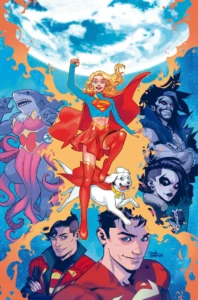
Warner Bros. and DC Studios have unveiled the highly anticipated first trailer for Supergirl, a film that serves as a pivotal expansion of the new DC Universe (DCU) cinematic landscape. Directed by Craig Gillespie and penned by screenwriter Ana Nogueira, the film features Milly Alcock in the titular role of Kara Zor-El. The trailer provides a sophisticated look at a narrative that prioritizes the internal psychological landscape of its protagonist as much as it does the high-stakes, cosmic action typically associated with the genre. Following the commercial momentum generated by the 2025 release of Superman, which saw a global box office return exceeding $618 million, the studio is positioning Supergirl as a cornerstone of its current creative strategy under the stewardship of DC Studios co-CEOs James Gunn and Peter Safran.
Character-Driven Foundations and Narrative Scope
The trailer deviates from traditional origin-story tropes, opting instead to focus on the isolating nature of Kara’s existence. The footage opens with an intimate dialogue between Kara and her cousin, Clark Kent, portrayed by David Corenswet. This interaction highlights a fundamental difference between the two Kryptonian survivors: while Clark has integrated into humanity through his upbringing in Kansas, Kara continues to struggle with the trauma of losing her home world. Her tendency to seek refuge in the furthest reaches of space serves as a metaphor for her displacement, a sentiment she reinforces by stating that her only true connection is with her canine companion, Krypto.
This emotional vulnerability is quickly disrupted by an inciting incident involving the antagonist, Krem of the Yellow Hills, played by Matthias Schoenaerts. When Krypto is poisoned by the forces of this formidable adversary, Kara is thrust into a race against time. The narrative constraints—a three-day window to secure a cure—provide a grounded, urgent structure for the film, forcing Kara to engage with the galaxy in a way she has actively avoided. This conflict introduces Ruthye Marye Knoll, played by Eve Ridley, a character whose pursuit of vengeance for her father’s death mirrors Kara’s own experiences with grief and loss. The dynamic between the two characters, characterized by Kara’s attempts to mentor the younger woman on the futility of revenge, suggests that the film will delve deep into moral philosophy, questioning the cyclical nature of violence.
Expanding the DC Cinematic Universe
Beyond the core conflict, the trailer confirms the involvement of Lobo, the iconic intergalactic bounty hunter portrayed by Jason Momoa. The introduction of Lobo signals a shift in the film’s tonal range, as the character is historically defined by his anarchic, irreverent, and often violent nature. By integrating such a chaotic element into the narrative, the production team appears to be broadening the scope of the DCU, demonstrating a willingness to blend grounded character studies with the more fantastical, high-energy elements of DC Comics lore.
This casting choice is particularly significant given Jason Momoa’s long-standing history with DC, having previously anchored the Aquaman franchise. His inclusion suggests that the new DCU is not strictly limited to linear storytelling but is instead building a tapestry of interconnected, yet tonally diverse, narratives. The involvement of Craig Gillespie—a director known for his ability to balance dark humor and character complexity in films such as I, Tonya and Cruella—indicates that the studio is prioritizing auteur-driven vision to distinguish this iteration of Supergirl from previous media depictions.
Strategic Context and Industry Impact
The release of this trailer arrives at a critical juncture for Warner Bros. Discovery. Following a period of transition within the DC division, the success of the 2025 Superman film acted as a crucial validation for the Gunn-Safran “Chapter One: Gods and Monsters” strategy. By focusing on individual, character-rich stories that exist within a shared universe, the studio is attempting to foster long-term audience engagement.
Supporting data from recent market analysis suggests that audiences are increasingly seeking “humanized” superhero narratives. The pivot from the spectacle-heavy focus of the previous decade toward more intimate, stakes-based storytelling reflects a broader trend in the industry. Supergirl, with its specific focus on identity and the concept of “home,” is well-positioned to capitalize on this shift. Furthermore, the decision to release the film in both standard and IMAX formats reflects the studio’s confidence in the visual scale of the project, which aims to reconcile the quiet, personal moments of the script with the expansive, interstellar vistas required of a cosmic DC property.
Chronology of Development and Production
The development of the Supergirl project has been relatively swift compared to typical tentpole features.
- January 2023: James Gunn and Peter Safran officially announce their plans for the new DCU, identifying Supergirl: Woman of Tomorrow as a key project.
- January 2024: Milly Alcock is officially cast as Kara Zor-El, following a rigorous audition process.
- April 2024: Craig Gillespie enters final negotiations to direct the feature, with Ana Nogueira confirmed as the screenwriter.
- July 2025: The commercial and critical reception of Superman sets the stage for the promotion of the subsequent slate, including Supergirl.
- August 2025: The first official trailer is released, establishing the film’s tone and core cast.
- June 26, 2026: The scheduled wide release in theaters and IMAX across North America.
Broader Implications and Audience Expectations
The film’s focus on the “Woman of Tomorrow” narrative arc—a critically acclaimed run in the comic books—provides a blueprint for what audiences can expect. By adhering to the source material’s emphasis on the psychological toll of exile, the film distinguishes itself from previous live-action portrayals of the character. This approach is intended to appeal to both long-time comic book enthusiasts and a broader audience that may be new to the character.
From an industry perspective, the success of Supergirl is vital for the continued expansion of the DCU. As the studio continues to roll out its planned projects, the ability of each individual film to stand on its own merits while contributing to a larger whole will be the ultimate test of the new creative management. The trailer’s emphasis on moral complexity—specifically the exploration of vengeance through the characters of Kara and Ruthye—suggests that the film will move beyond the simple dichotomy of hero versus villain, potentially offering a more nuanced look at what it means to possess god-like power in a fragile, often cruel, universe.
As the June 26, 2026, release date approaches, the focus will likely turn to the marketing campaign’s ability to maintain this momentum. With the combined influence of a strong directorial vision, a proven writing team, and a cast that bridges established DC talent with rising stars, Supergirl is poised to be one of the most significant releases in the upcoming summer season. The trailer serves as a testament to the studio’s commitment to delivering a story that is as intellectually and emotionally resonant as it is visually spectacular, marking a new chapter for the character of Kara Zor-El on the global stage.