The history of video game development is littered with "what if" scenarios, but few are as consequential as the fractured partnership between Interplay Productions and Steve Jackson Games during the mid-1990s. While modern audiences recognize the Fallout franchise as a titan of post-apocalyptic role-playing, its original mechanical framework was intended to be built upon the Generic Universal Role-Playing System (GURPS). The eventual collapse of this licensing agreement remains a pivotal moment in gaming history, one that nearly stripped the series of its most recognizable visual identity: Vault Boy.
The Origin of the GURPS-Fallout Partnership
In the mid-1990s, Interplay Productions, then an emerging powerhouse in the PC gaming industry, sought a robust, flexible tabletop ruleset to anchor their ambitious new CRPG (Computer Role-Playing Game). The team, led by visionary developers like Tim Cain, gravitated toward GURPS. Published by Steve Jackson Games (SJG), GURPS was highly regarded for its versatility, allowing for seamless transitions between historical, sci-fi, and fantasy settings.
The partnership seemed ideal on paper. Interplay possessed the technical expertise to translate complex tabletop mechanics into a digital environment, while SJG provided a reputable, established system that could lend credibility to the nascent project. However, the alignment of vision between a software development studio and a traditional tabletop publisher proved to be fundamentally mismatched.
A Chronology of the Disagreement
The friction between the two entities did not emerge overnight; rather, it was the result of a compounding series of creative disagreements that intensified as the project entered production.
- 1994–1995: Interplay initiates development of the game—internally codenamed "Vault 13"—utilizing the GURPS license.
- Early 1996: Disagreements regarding the game’s tone begin to surface. Steve Jackson, the founder of SJG, expresses concerns over the level of violence depicted in the game’s early cinematic sequences.
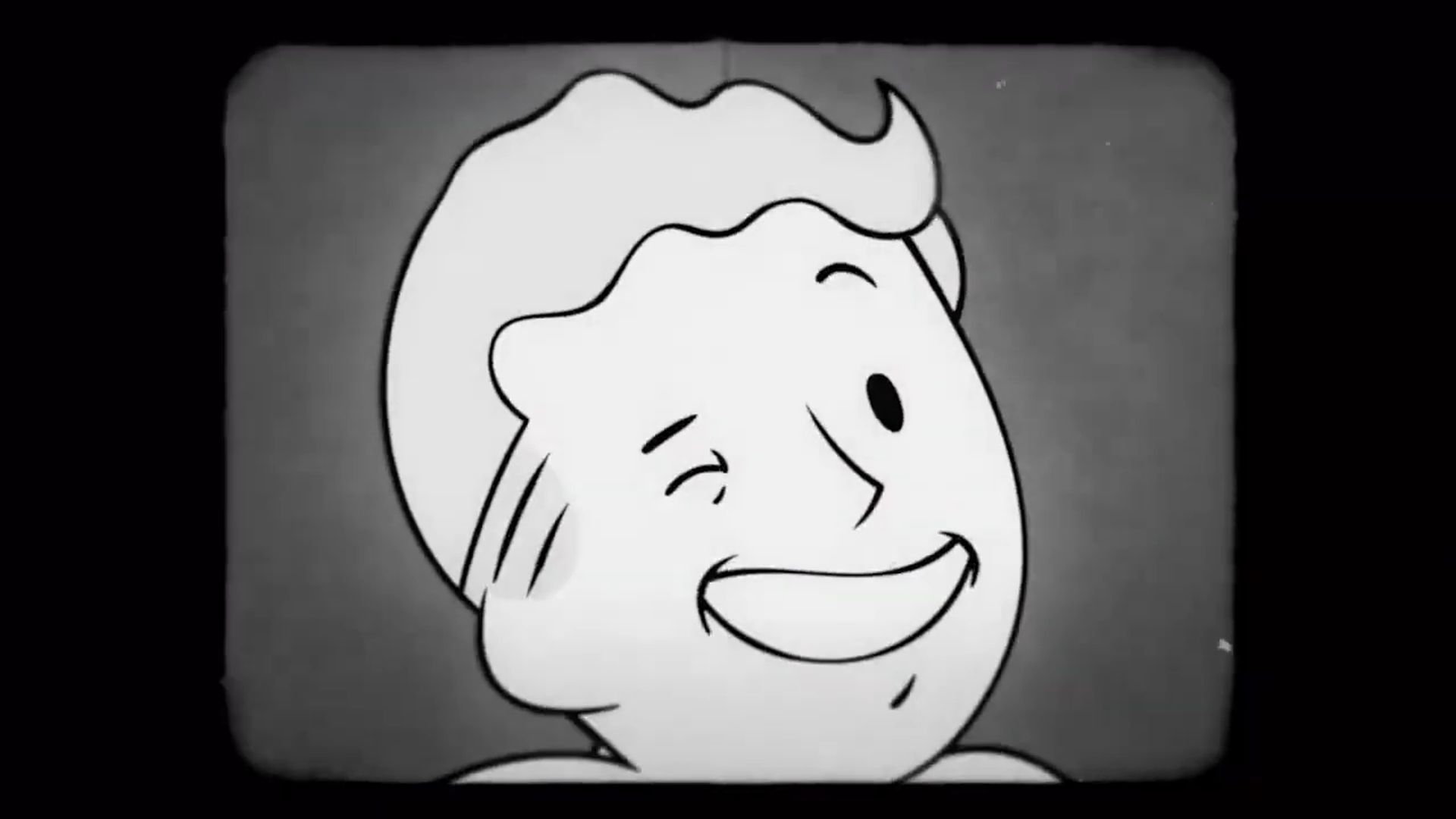
- Late 1996: The conflict reaches a boiling point. SJG representatives review the game’s assets and identify specific elements that they feel contradict the "GURPS brand." The most contentious point of contention becomes the inclusion of the "Vault Boy" character, as well as the overall aesthetic presentation of skills and perks.
- Early 1997: Following a period of tense negotiations and threats of legal action regarding licensing control, Interplay makes the strategic decision to terminate the GURPS license entirely.
- October 1997: Fallout is released globally, featuring the "SPECIAL" system—a proprietary ruleset designed by the Interplay team to replace GURPS.
The Vault Boy Controversy
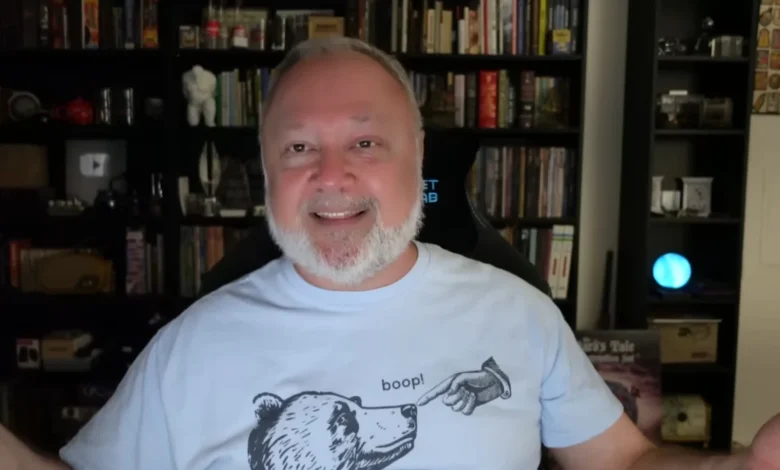
Recent insights from Tim Cain, the co-creator of Fallout, have shed new light on the specific grievances held by Steve Jackson Games. According to Cain, the objection to Vault Boy was not merely a superficial dislike of a mascot; it was an ideological clash regarding the game’s tone. SJG viewed the caricature—a smiling, cartoonish figure—as a tonal mismatch for the gritty, mature, and violent world that Interplay was attempting to construct.
Steve Jackson specifically compared the Vault Boy character design to Monopoly tokens—a reference that highlighted the disconnect between the two parties. For SJG, the cartoonish aesthetic undermined the seriousness of the post-nuclear narrative. For Interplay, however, Vault Boy was an essential UI element. The character provided a shorthand for complex statistics, allowing players to instantly understand the benefits of various perks and skills at a glance. By the time SJG demanded his removal, Vault Boy had been integrated into every facet of the game’s user interface and promotional materials.
The Role of Editorial Control
The legal tension was exacerbated by the ambiguity of the original contract. As noted in contemporary reporting from the April 1998 issue of PC Gamer, the agreement granted Steve Jackson Games broad control over the "environment" in which the GURPS license was used. This clause was interpreted by SJG as giving them a veto over the game’s artistic direction, including character design and the content of cinematic cutscenes.
Feargus Urquhart, a key figure at Interplay during the development cycle, noted that Jackson’s demands were extensive. Beyond the removal of the "Monopoly-style" cartoons, there were requests to change the size and detail levels of character sprites and weapons. When faced with the prospect of an expensive, prolonged legal battle over creative control, Interplay leadership opted to walk away. This decision, while risky at the time, allowed the developers to shed the constraints of a rigid tabletop system and create the SPECIAL system, which would define the franchise’s mechanical identity for decades to come.
The Paradox of the "Violent Introduction"
A peculiar aspect of the fallout was the role of the game’s opening cinematic. The intro, which depicts a soldier in Power Armor executing a prisoner, was a landmark piece of media in 1997. It established the cynical, dark humor of the Fallout universe instantly. Steve Jackson reportedly took significant issue with this depiction, viewing it as gratuitous.
Interestingly, this reaction highlights a recurring theme in the history of licensed games: the struggle to balance the IP holder’s brand identity with the developer’s creative vision. SJG was a company built on the foundations of tactical, tabletop gaming, where imagination often filled in the blanks left by the rules. Interplay was building a cinematic experience, which demanded explicit, visceral visuals to convey its world-building.
Broader Implications and Legacy
The decision to abandon the GURPS license was perhaps the single most important pivot in the franchise’s history. Had Interplay capitulated to Steve Jackson’s demands, the game would have lost its distinct visual language. Vault Boy, who has since become one of the most recognizable icons in gaming, might have been reduced to a footnote or removed entirely.
Furthermore, the creation of the SPECIAL system—Strength, Perception, Endurance, Charisma, Intelligence, Agility, and Luck—gave the developers total freedom. They were no longer beholden to the balance requirements or specific ruleset constraints of GURPS. This allowed for the implementation of the game’s signature dark humor, pop-culture references, and non-linear narrative structure, all of which flourished without the oversight of a third-party licensor.
The dissolution of the partnership serves as a case study for modern developers on the importance of licensing clarity. It also underscores that sometimes, the most creative breakthroughs emerge from the necessity of starting over. By losing the license, Interplay was forced to build something entirely their own, ultimately resulting in a franchise that defined the post-apocalyptic genre for a generation.
Looking back, the "disagreement" appears less like a tragedy and more like a necessary evolution. While the GURPS system provided a strong initial framework for development, the autonomy that Interplay secured by ending the deal allowed the team to craft a game that was, in every sense, uniquely Fallout. The irony remains that by attempting to protect the "tone" of their brand, Steve Jackson Games inadvertently ensured that the resulting product became one of the most successful and culturally significant IPs in interactive entertainment.