Massive Rockstar Games Data Leak Exposes Scrapped GTA 5 Liberty City DLC, Early GTA 6 Files, and Unused Source Code

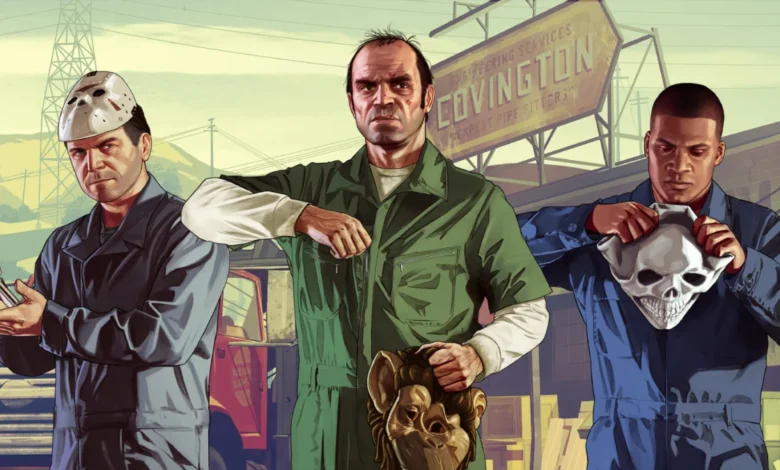
Rockstar Games has once again found itself at the center of a major digital security breach, as a newly surfaced leak containing approximately 192 gigabytes of internal data has made its way online. The extensive trove of files reportedly features a near-complete 200GB version of Grand Theft Auto 5’s source code, early design assets for the highly anticipated Grand Theft Auto 6, and concrete evidence of ambitious, single-player expansions that were quietly shelved by the developer years ago. Among the most prominent discoveries within the data dump are details regarding a cancelled Liberty City DLC for GTA 5, shedding light on what could have been a massive geographical expansion for the 2013 open-world blockbuster.
The Grand Theft Auto and Red Dead Redemption developer has faced significant challenges regarding digital security and data confidentiality over the past several years. This latest incident demonstrates that unauthorized access to proprietary corporate material remains an ongoing issue for the studio. As fans and data miners comb through the massive cache of newly accessible information, a clearer picture has emerged regarding the internal operations, creative pivots, and strategic decisions made by Rockstar Games during the peak lifecycle of Grand Theft Auto 5.
Unearthing the Scrapped Liberty City Expansion
The centerpiece of the recent data leak revolves around plans for a single-player downloadable content (DLC) package centered on Liberty City, the iconic fictional metropolis modeled after New York City and previously featured as the primary setting for Grand Theft Auto 4. According to data miners analyzing the leaked files, the planned expansion would have offered a significantly larger and more detailed playable space than the iteration seen in GTA 4.
Content creators and community researchers, such as prominent YouTuber TJGM, utilized development tools like CodeWalker to inspect the raw map data contained within the leak. TJGM shared visual outlines of the supposed Liberty City DLC shoreline on social media platforms, verifying that the files contained legitimate internal Rockstar tools and source code. While the data does not represent a finished, playable map ready for release, it provides verifiable proof that environmental artists and designers at the studio spent considerable development time building out the location within the game engine.
The resurfacing of these files has also drawn renewed attention to a decade-old portfolio discovery. Years prior, eagle-eyed fans spotted a screenshot of Liberty City rendered directly inside the Grand Theft Auto 5 game engine on the public art portfolio of a former Rockstar artist. At the time, the image sparked rumors of a forthcoming single-player expansion, though the studio never officially acknowledged the project. The new data leak appears to confirm that the concept progressed beyond early brainstorming and conceptualization before ultimately being cancelled.
The Fate of Agent Trevor and the Pivot to Online Monopolization
The Liberty City expansion is not the only piece of single-player content that failed to make the cut. In the years following the release of Grand Theft Auto 5, actors and developers associated with the project have gradually revealed details about various story-driven DLC packages that were conceptualized before Rockstar shifted its development priorities.
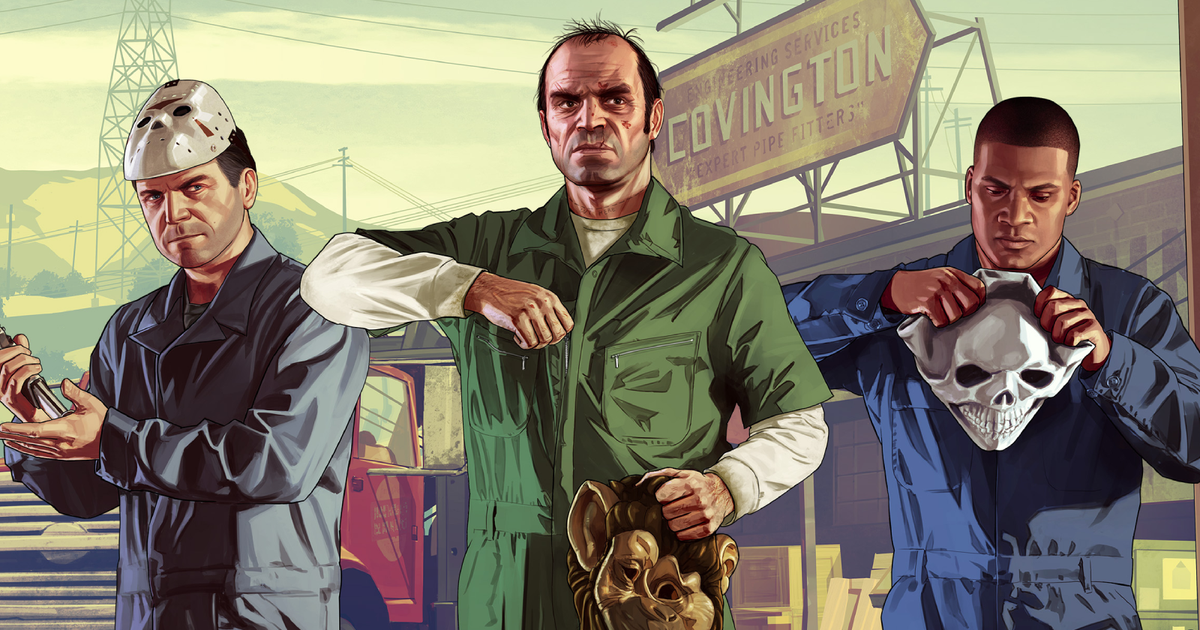
Most notably, Steven Ogg, the motion-capture and voice actor behind the chaotic protagonist Trevor Philips, previously discussed a planned expansion informally dubbed "Agent Trevor." This storyline would have positioned the unpredictable character as an undercover government operative, blending espionage tropes with the character’s signature brand of explosive chaos. Ogg confirmed that the studio had already recorded dialogue and filmed performance-capture sequences for the side story before the project was indefinitely shelved.
Former studio employees have since corroborated these accounts, providing context as to why Rockstar ultimately abandoned single-player expansions in favor of ongoing multiplayer support. Joseph Rubino, a former senior camera artist and digital cinematographer at Rockstar Games, spoke candidly about the internal restructuring in past interviews. Rubino explained that the studio split its development teams, assigning a dedicated unit to work on the Trevor DLC and other planned narrative extensions, while other personnel transitioned early onto the development of Red Dead Redemption 2.
However, the unprecedented financial success of Grand Theft Auto Online dramatically altered the company’s strategic roadmap. As the multiplayer ecosystem transformed into a massive, highly lucrative revenue stream that continually engaged millions of active players, leadership made the business decision to reallocate resources entirely. Rubino noted that while looking back, it may have been feasible to pursue both single-player expansions and online updates simultaneously, the undeniable financial dominance of GTA Online made it difficult to justify the commercial viability of traditional standalone story DLC. The newly leaked files reportedly contain fragments of the Agent Trevor materials, though the precise volume of surviving assets remains under evaluation.
A Chronology of Recent Security Breaches at Rockstar Games
This latest 192GB data leak is part of a troubling timeline of security incidents that have targeted Rockstar Games and its parent company, Take-Two Interactive, during the critical development phases of their tentpole franchises.

The most prominent prior incident occurred in September 2022, when a hacker breached internal Slack channels and Confluence servers, leaking nearly 90 video clips showcasing early development footage of Grand Theft Auto 6. The breach forced Rockstar Games and Take-Two Interactive to issue formal statements acknowledging the intrusion, reassuring the public that development on the title would continue uninterrupted, and working alongside federal law enforcement agencies to identify the perpetrator.
Despite the disruption caused by these unauthorized disclosures, Take-Two Interactive has consistently maintained that development timelines for upcoming titles, particularly Grand Theft Auto 6, have not suffered long-term delays as a direct result of stolen source code or leaked assets. Nevertheless, the frequent targeting of the studio highlights the persistent vulnerabilities faced by major video game developers operating in an era of remote work, cloud-based asset sharing, and heightened public demand for insider information.
Broader Industry Implications and Corporate Security
The implications of the latest leak extend far beyond fan curiosity regarding cut content. The exposure of foundational source code for Grand Theft Auto 5—a title that continues to maintain an active player base across multiple generations of hardware—presents potential security and stability challenges for the game’s online infrastructure. Historically, access to proprietary source code enables malicious actors to more easily identify vulnerabilities, potentially leading to increased exploits within the multiplayer environment.
Furthermore, the inclusion of early development files related to Grand Theft Auto 6 offers insight into the iterative process of game design, though it places immense pressure on a developer known for maintaining strict secrecy regarding unannounced or incomplete projects. Rockstar Games has historically favored carefully orchestrated promotional rollouts, using cinematic trailers to unveil their virtual worlds only when they reach a polished, near-final state. Unsolicited leaks disrupt this controlled narrative, exposing rough, unoptimized assets to public scrutiny and hyper-analysis before developers have had the opportunity to refine their creative vision.
As the gaming community continues to dissect the contents of the 192GB data dump, attention remains fixed on official communications from Rockstar Games and Take-Two Interactive. While neither entity has issued a detailed public statement specifically addressing the latest document release, the incident serves as a stark reminder of the challenges major entertainment conglomerates face in safeguarding their intellectual property in an increasingly interconnected digital landscape.
Related posts: