Ebenezer: Johnny Depp’s Latest Role Hints at a Groundbreaking Horror Adaptation of A Christmas Carol

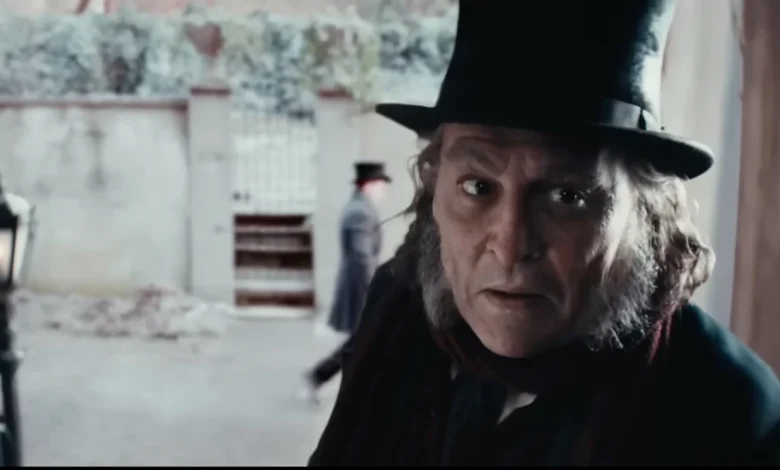
The cinematic landscape is abuzz with anticipation for the upcoming release of "Ebenezer," a film that promises to breathe new, and potentially terrifying, life into Charles Dickens’ timeless classic, "A Christmas Carol." While the initial trailer for the project leans heavily on the star power of its lead, Johnny Depp, a closer examination reveals a deliberate, and potentially groundbreaking, artistic vision: a full-fledged horror reimagining of the beloved holiday tale. This approach, if realized, could mark the first significant foray into the horror genre for one of literature’s most enduring narratives.
The trailer, released on July 24, 2026, strategically showcases Depp’s illustrious career, referencing iconic roles such as Captain Jack Sparrow from the "Pirates of the Caribbean" franchise, the titular character in "Edward Scissorhands," the Mad Hatter in Tim Burton’s "Alice in Wonderland," and even his very first on-screen appearance as Glen Lantz in the seminal 1984 horror film, "A Nightmare on Elm Street." While these allusions are presented as a testament to Depp’s versatility and enduring appeal, they also subtly foreshadow the film’s darker trajectory. The deliberate omission of Glen Lantz’s film title, replaced by a visual cue of his demise, is a particularly telling detail for genre aficionados.
A pivotal scene depicted in the trailer shows Depp’s Ebenezer Scrooge being consumed by his own bed, a moment strongly evocative of Glen Lantz’s terrifying fate in "A Nightmare on Elm Street." In Wes Craven’s original, Freddy Krueger’s razor-sharp glove emerges from the mattress to drag the unsuspecting teenager to his doom, accompanied by a visceral geyser of blood. While the "Ebenezer" trailer may not reach such explicit levels of gore, the implication is clear: the film is preparing to plunge its protagonist into a realm of visceral terror, a far cry from the gentle spectral visitations that have characterized most previous adaptations. This deliberate visual echo suggests that director Ti West, known for his atmospheric and often disturbing horror films, is aiming to tap into the primal fears that the original story, in its Victorian context, was designed to evoke.
The Original Horror Roots of A Christmas Carol
It is crucial to understand that "A Christmas Carol" was not always perceived as a lighthearted holiday tradition. When Charles Dickens first published his novella in 1843, it was met with a chilling resonance that went beyond mere social commentary. The tale of a miserly man tormented by supernatural entities and threatened with eternal damnation was, for its original readership, a potent blend of social critique and genuine horror. For the impoverished working classes, Dickens’ narrative offered a glimmer of hope and a call for societal change. However, for the more affluent segments of Victorian society, the story undoubtedly carried a darker undertone, a stark reminder of the potential consequences of avarice and a visceral encounter with the spectral unknown.
The novella’s profound impact on Victorian culture extended to the establishment of new traditions. The popularity of "A Christmas Carol" inspired a yuletide custom where friends and families would convene on Christmas Eve, often gathered around a fireplace, to share ghost stories and tales of terror. This practice underscores the inherently frightening elements that Dickens masterfully wove into his narrative, elements that have often been softened or diluted in subsequent adaptations.
A Legacy of Adaptations: From Puppets to Parodies
Over the decades, "A Christmas Carol" has been adapted into countless films, television shows, stage plays, and even animated features. While nearly all of these adaptations have retained the core narrative of Ebenezer Scrooge’s supernatural encounters, the genre through which these stories are filtered has varied dramatically. From the operatic grandeur of "Scrooge" (1970) starring Albert Finney, to the comedic satire of "Scrooged" (1988) featuring Bill Murray, and the beloved puppet version in "The Muppet Christmas Carol" (1992) with Michael Caine, the story has been molded to suit diverse cinematic and thematic intentions. These adaptations, while successful in their own right, have largely steered clear of the unsettling, fear-inducing potential that lies dormant within Dickens’ original text.
Ti West’s Vision: A New Dawn for Dickensian Horror
The trailer for "Ebenezer," despite its initial emphasis on Depp’s star persona and a score reminiscent of Danny Elfman’s distinctive, often macabre, compositions, hints at a directorial hand far more attuned to genuine dread than mere whimsy. While the trailer’s pacing and bombastic elements might suggest a Tim Burton-esque aesthetic—a director known for his gothic sensibilities but often with a playful, fantastical edge—the driving force behind "Ebenezer" is not Burton, but Ti West.
West has carved a formidable niche in the contemporary horror scene with his critically acclaimed films such as "The House of the Devil" (2009) and the "X" franchise, which includes "X" (2022), "Pearl" (2022), and the upcoming "MaXXXine." His directorial style is characterized by a meticulous build-up of tension, a profound understanding of atmosphere, and an ability to elicit chilling performances from his actors. West is particularly adept at crafting memorable, unsettling imagery, as exemplified by Mia Goth’s haunting smile at the climax of "Pearl." This deliberate choice of director signals a significant departure from the more lighthearted or overtly dramatic interpretations of "A Christmas Carol."
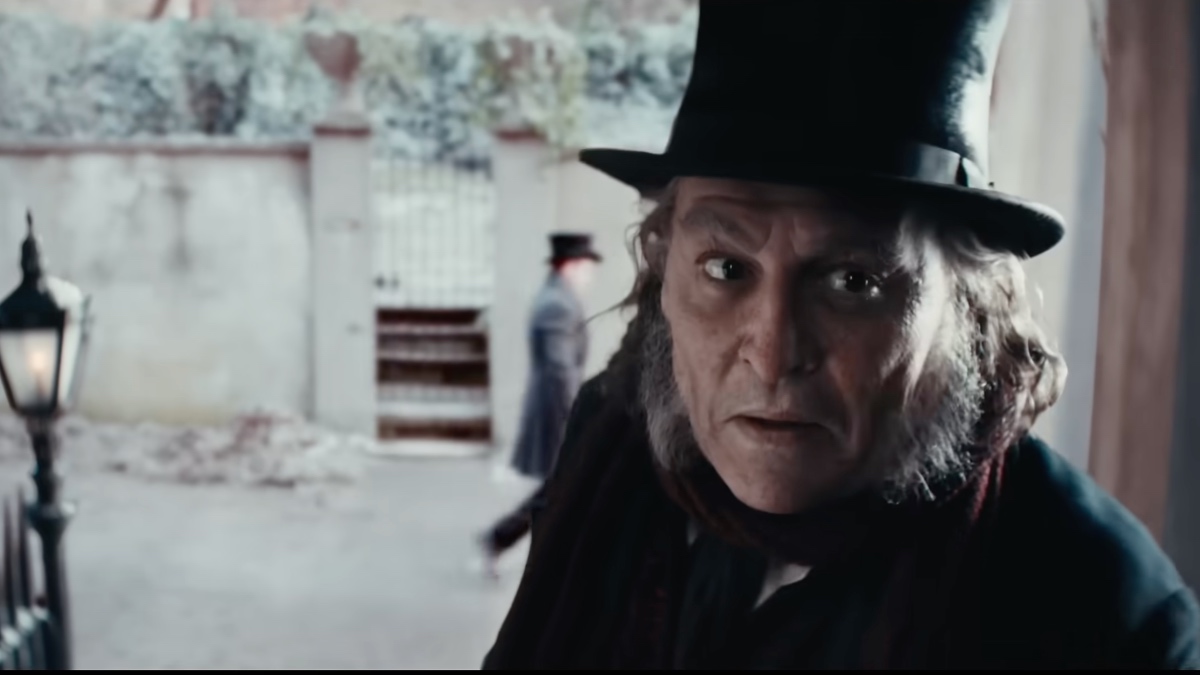
The trailer’s energetic cuts and emphasis on Depp’s theatrical performance might initially obscure West’s signature slow-burn approach. However, if West is empowered to fully realize his artistic vision, and if Johnny Depp can channel the raw, unsettling intensity he displayed in his early horror roles, "Ebenezer" has the potential to not only revive the horror elements of Dickens’ masterpiece but to redefine them for a modern audience. The film’s potential lies in its ability to tap into the inherent psychological terrors of isolation, regret, and the confrontation with mortality that are central to Scrooge’s transformation, but viewed through a lens of genuine dread.
Supporting Data and Industry Context
The critical and commercial success of recent horror films that have explored complex psychological themes and atmospheric tension, such as Jordan Peele’s "Get Out" and Ari Aster’s "Hereditary," suggests a growing audience appetite for genre films that offer more than just jump scares. This trend provides a fertile ground for "Ebenezer" to explore the darker, more psychologically disturbing aspects of "A Christmas Carol."
Furthermore, the enduring popularity of "A Christmas Carol" as a cultural touchstone ensures a built-in audience for any new adaptation. However, the challenge for "Ebenezer" will be to transcend the familiarity of the story and offer a genuinely fresh and terrifying perspective that distinguishes it from decades of prior interpretations. The casting of Johnny Depp, a star with a proven track record in both commercial blockbusters and more unconventional roles, adds a significant layer of intrigue and marketability. His ability to inhabit eccentric and often dark characters, coupled with West’s directorial prowess, creates a compelling synergy.
Chronology of Development and Anticipated Release
While specific details regarding the production timeline of "Ebenezer" remain limited, the release of the trailer on July 24, 2026, firmly places the film on the horizon. Paramount Pictures is slated to distribute the film, with a confirmed theatrical release date of November 13, 2026. This strategic placement, just weeks before the traditional holiday season, could amplify the film’s impact by creating a stark contrast between its dark themes and the prevailing festive atmosphere.
The production has reportedly involved a considerable budget, indicative of Paramount’s investment in a high-profile adaptation. Sources close to the production have alluded to extensive set designs that aim to capture the grim Victorian London with a heightened sense of decay and unease, further supporting the horror genre premise.
Potential Implications and Broader Impact
The success of "Ebenezer" could have several significant implications for the film industry and literary adaptations. Firstly, it could pave the way for more horror-focused reinterpretations of classic literature, demonstrating that even the most seemingly wholesome stories can harbor terrifying potential. This could encourage filmmakers to delve deeper into the darker undercurrents of other beloved narratives, potentially revitalizing them for contemporary audiences.
Secondly, it could solidify Ti West’s position as a versatile and commercially viable horror director, capable of tackling ambitious projects with broad appeal. His signature style, if successfully integrated into the grander scale of a Dickens adaptation, could influence future trends in horror filmmaking.
Finally, for Johnny Depp, "Ebenezer" represents an opportunity to further diversify his career and engage with a role that allows him to explore complex psychological territory. His previous forays into darker characters have been met with critical acclaim, and this role offers a chance to re-engage with the horror genre in a significant way.
The prospect of a horror-centric "A Christmas Carol" starring Johnny Depp and directed by Ti West is undoubtedly one of the most intriguing cinematic propositions of the coming years. By leaning into the original novella’s forgotten spectral terrors and eschewing the saccharine sentiments that have often dominated its cinematic legacy, "Ebenezer" has the potential to be a landmark achievement in genre filmmaking, proving that even the most familiar stories can still send a shiver down our spines. The question remains whether the film will fully embrace its terrifying promise or succumb to the lighter interpretations that have long overshadowed its darker roots. The trailer, however, offers a compelling glimpse into a future where Scrooge’s transformation is not just a redemption, but a terrifying descent into the abyss.