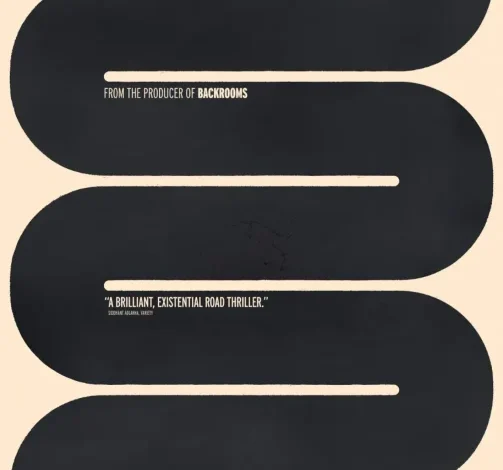
The burgeoning landscape of independent horror cinema is once again abuzz with anticipation for a new release, a phenomenon that has seen films like Obsession, Backrooms, and Hokum capture the public imagination and achieve significant critical and commercial success. The latest contender to enter this highly competitive arena is It Ends, a feature film debut from director Alexander Ullom, slated for release by Neon next month. The film’s trailer, recently unveiled, offers a glimpse into its unique blend of road movie sensibilities and existential dread, positioning it as a potential successor to the genre’s recent breakout hits.
A Road Movie Through a Cosmic Nightmare
It Ends is described as a genre-bending experience, merging the familiar tropes of a road trip narrative with profound, unsettling horror. The film centers on a group of recent college graduates embarking on a late-night drive, a seemingly innocuous rite of passage that quickly devolves into a terrifying ordeal. Their journey takes an unexpected and horrifying turn when they find themselves on a desolate, seemingly endless two-lane highway, a surreal landscape populated by "untold horrors and cosmic forces beyond their understanding." This premise immediately distinguishes It Ends from more conventional slasher or supernatural thrillers, suggesting a deeper exploration of psychological unease and the fragility of human perception in the face of the unknowable.
The film’s narrative unfolds as a road movie, a genre that often explores themes of freedom, escape, and self-discovery. However, Ullom appears to subvert these expectations, transforming the open road into a claustrophobic, inescapable trap. The "Gen Z hangout film" aspect, as described by industry observers, hints at a focus on character dynamics and relatable youthful anxieties, which could serve as a grounding element against the encroaching cosmic terror. This juxtaposition of the mundane and the extraordinary is a hallmark of effective horror, allowing audiences to connect with the characters before plunging them into unimaginable circumstances.
Director’s Vision: Living with Horror
Director Alexander Ullom, in a previous interview with Bloody Disgusting, elaborated on his thematic intentions for It Ends. He emphasized that the film is less about the overt spectacle of horror and more about the human capacity to coexist with it. "This was always a movie that was more about how we live with horror than about the actual horror," Ullom stated. He drew a compelling analogy to the aftermath of intense trauma, suggesting that even after surviving horrific events, individuals often attempt to return to normalcy. "I make this joke too much, but I always wanted to see the family in Hereditary give a postgame interview and just be like, ‘Yeah, that was terrifying. That was absolutely terrifying.’ Then, they all die, obviously, but like they go about their lives. The movie is constantly recontextualizing the things that happen in it," he explained.
This perspective suggests that It Ends might delve into the psychological toll of enduring extreme fear, exploring how characters adapt, rationalize, or even normalize their terrifying experiences. The film’s title itself, It Ends, can be interpreted in multiple ways: as a promise of resolution, a foreboding declaration of doom, or a reflection of the characters’ desperate hope for an escape from their nightmarish predicament. Ullom’s focus on the “living with horror” aspect could resonate with audiences grappling with contemporary anxieties, where the pervasiveness of disturbing news and societal pressures can feel overwhelming.
A Cast Navigating the Void
The film features a cast of emerging talents who are tasked with portraying the emotional and psychological arc of characters trapped in an unprecedented situation. Akira Jackson, Phinehas Yoon, Mitchell Cole, and Noah Toth are set to lead the ensemble. Their performances will be crucial in grounding the film’s high-concept premise and making the characters’ struggle for survival and sanity believable. The presence of a producer who was also involved in the production of Backrooms further links It Ends to the recent wave of internet-born horror phenomena, suggesting a shared sensibility and understanding of what resonates with modern audiences.
The synopsis provided for It Ends offers further insight into the narrative’s progression: "Four recent college grads on a nighttime drive find themselves stuck on a road that sprawls on forever, with seemingly no end in sight. Stragglers occasionally attack them and have to find a routine to plan their rest stops, but after a few thousand miles it all feels the same. Still, they keep on driving, only in the belief something better will come eventually." The mention of "stragglers" implies a recurring threat, perhaps not a singular monster but a persistent, unsettling presence. The concept of developing a "routine" in such a dire situation speaks to the human instinct for order and adaptation, even when faced with the absurd and the terrifying. The persistent hope for "something better" underscores the film’s potential exploration of resilience and the enduring human spirit, even in the face of seemingly insurmountable odds.
Context and Industry Trends
The release of It Ends arrives at a time when independent horror films are experiencing a significant surge in popularity and critical acclaim. The success of films like Talk to Me, Barbarian, and the aforementioned Skinamarink (a film often associated with the "found footage" and lo-fi aesthetic, similar to Backrooms) has demonstrated a strong audience appetite for innovative and thought-provoking horror. These films often eschew traditional jump scares in favor of atmosphere, psychological tension, and unconventional storytelling.
The "internet-born" horror trend, exemplified by Backrooms and Hokum, is particularly relevant. These films often originate from online creepypasta, short films, or viral videos, building a dedicated fanbase before a wider cinematic release. This organic growth, fueled by social media and online communities, has proven to be a powerful marketing tool and a source of fresh creative talent. It Ends, while not explicitly stated as originating from such a source, benefits from this burgeoning trend and the audience’s openness to experimental and unconventional horror narratives.
Neon, the distributor of It Ends, has a track record of championing bold and distinctive films, including critically acclaimed horror titles. Their involvement suggests a confidence in the film’s artistic merit and commercial potential. The company’s strategic release plan, aiming for a theatrical debut, indicates a belief that It Ends possesses the narrative and visual qualities that will translate effectively to the big screen experience, further enhancing its impact and immersion.
Analysis of Implications
The success of films like It Ends has broader implications for the horror genre and the film industry. It signals a growing demand for diverse narratives and directorial voices, moving beyond established formulas. The willingness of audiences to embrace films that prioritize atmosphere, psychological depth, and thematic complexity over conventional horror tropes suggests a maturation of the genre’s fanbase.
Furthermore, the success of these independent productions can inspire a new generation of filmmakers to pursue ambitious and unconventional projects. The accessibility of filmmaking technology, combined with the power of online platforms for initial exposure and audience building, creates a fertile ground for innovation. The economic models associated with these successful independent horror films also offer alternative pathways to success for studios, demonstrating that high-concept, character-driven horror can be a lucrative endeavor without necessarily requiring massive budgets.
The thematic resonance of It Ends, particularly its exploration of living with pervasive anxiety and the search for meaning in a chaotic world, is likely to strike a chord with contemporary audiences. As societal pressures and existential concerns continue to shape the collective consciousness, films that address these issues through the lens of horror can offer catharsis, provoke reflection, and provide a shared experience of confronting the unknown.
Timeline and Release
The anticipation for It Ends has been building steadily, fueled by early positive reactions from festival screenings and previews. While specific festival dates and locations may not have been widely publicized, the film’s journey through the festival circuit is a common pathway for independent films to gain traction and generate buzz. This pre-release exposure allows for critical feedback and audience engagement, shaping the narrative around the film before its wider release.
The official trailer, released recently, serves as a crucial marketing touchpoint, providing a visual and tonal preview for potential viewers. The trailer’s reception, including viewer engagement and critical commentary, will undoubtedly influence the film’s initial box office performance and its trajectory within the cultural conversation.
The confirmed release date for It Ends in US cinemas is August 21st. This strategic timing, potentially aiming for the late summer release window, could allow the film to capitalize on audiences seeking entertainment during a period often characterized by a mix of blockbuster releases and smaller, more niche offerings. The success of It Ends will be closely watched by industry professionals and horror enthusiasts alike, as it represents another potential landmark in the evolution of contemporary horror cinema.
The film’s producers and distributor, Neon, will likely leverage the online buzz, critical reviews, and the film’s unique premise to drive ticket sales. The growing trend of horror fans actively seeking out and discussing new genre films on social media platforms suggests that a strong online presence and community engagement will be vital to It Ends‘s success. The film’s ability to translate its "buzzed-about" status into tangible box office returns will be a key indicator of its impact on the current horror landscape.
Ultimately, It Ends stands as a promising addition to a vibrant and evolving genre. Its blend of atmospheric dread, existential themes, and a fresh directorial voice positions it as a film to watch in the coming months, potentially solidifying its place among the most talked-about scary films of the year.