Avengers: Doomsday Poster Unveils Doctor Doom’s Potential New Tragic Origin, Shifting Focus from Classic Comics Lore

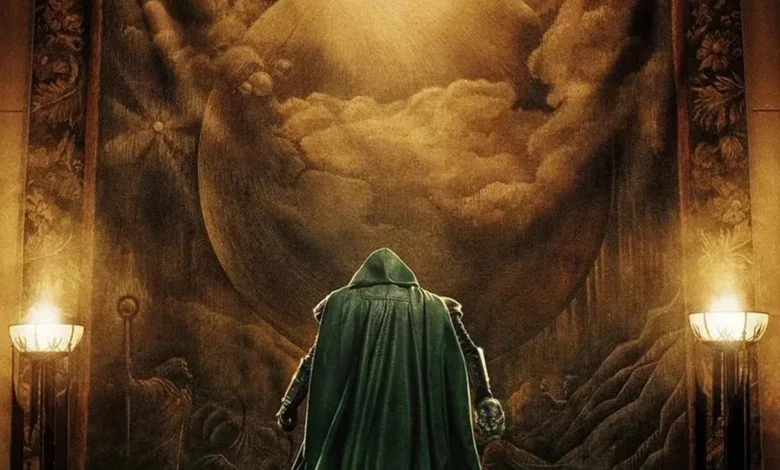
The cinematic universe is abuzz with the recent unveiling of the first official poster for Avengers: Doomsday, a highly anticipated installment in the Marvel Cinematic Universe (MCU) saga. Complementing the recently released trailer, this poster offers a compelling visual narrative, placing Robert Downey Jr.’s portrayal of Doctor Doom at its enigmatic center. With his back to the viewer, Doom gazes upon an intricately detailed tapestry adorning a wall. The artwork depicted on this medieval-style tapestry presents a poignant scene: a mother and child figure, seemingly suspended above the Earth, surrounded by ethereal angelic forms. This visual cue has ignited considerable discussion among fans and critics, prompting speculation about its significance for the upcoming epic. While the imagery might initially suggest a connection to Victor von Doom’s established, albeit tragic, backstory in the original Marvel Comics, emerging evidence and early reports hint at a significant divergence for the MCU’s interpretation of the character.
Unpacking the Tapestry’s Imagery: A Visual Riddle
The poster’s central element, the ornate tapestry, serves as a cryptic window into Doctor Doom’s potential motivations and emotional landscape within Avengers: Doomsday. The depiction of a mother and child, bathed in an almost celestial light and accompanied by angelic figures, strongly suggests themes of loss, protection, and perhaps a desperate yearning for salvation. The inclusion of the Earth motif underscores the cosmic scale of the events unfolding in the MCU, implying that Doom’s personal tragedy is inextricably linked to the fate of the wider universe.

For long-time aficionados of Marvel Comics, the imagery might evoke the profoundly sorrowful origins of Victor von Doom. In the comic book canon, Doom’s past is steeped in hardship and profound loss. Born into the Romani community in the Eastern European nation of Latveria, Victor’s mother, Cynthia von Doom, was a sorceress who made a pact with the demonic entity Mephisto to combat the tyrannical rule of Baron Vladimir Fortunov. This pact, however, came at a terrible cost. When Cynthia’s amplified powers led to the deaths of innocent children, she renounced her magic. Tragically, she was subsequently killed by one of the Baron’s soldiers, and her soul was dragged into Mephisto’s domain, Hell. Victor, left an orphan, would grow to become the formidable and complex figure known as Doctor Doom, driven by a relentless quest to rescue his mother’s soul from damnation.
A Shift in Narrative: The MCU’s Doctor Doom
However, the provided materials, including the poster and early promotional insights, suggest that the MCU’s adaptation of Doctor Doom’s narrative may deviate from this specific comic book lore. Instead of referencing his mother’s tragic fate, the tapestry’s imagery is reportedly being interpreted as a representation of Doom’s unnamed wife and son, whose lives were allegedly cut short by the cataclysmic multiversal incursions that have been a growing threat within the MCU. The presence of angelic figures, in this context, could symbolize a longing for a lost paradise or a plea for divine intervention to reverse their deaths.
This proposed revision to Doom’s backstory for the live-action adaptation offers a potentially more streamlined and universally relatable narrative. The loss of a spouse and child is a deeply resonant and profoundly tragic experience that can serve as a powerful, albeit dark, motivator for extreme actions. This interpretation aligns with the broader thematic elements being explored in the MCU’s current phases, which have increasingly delved into the personal lives and families of its heroes and villains.

The Lingering Shadow of Mephisto
The existence of Mephisto within the MCU, confirmed with his appearance in the Disney+ series Ironheart portrayed by Sacha Baron Cohen, adds another layer of intrigue. While the original comic lore directly links Doom’s mother’s soul to Mephisto, reports and speculation suggest that the MCU’s Doctor Doom will not have a direct involvement with the devilish entity in his origin story for Doomsday or Secret Wars. The perceived complexity of such a storyline, coupled with the lack of any official confirmation regarding Cohen’s involvement in these upcoming Avengers films, leads to the conclusion that Mephisto’s role, if any, will likely be peripheral to Doom’s primary motivations.
The decision to focus on the loss of a family unit for Doom’s origin story appears to be a strategic choice to foster greater audience empathy, even for a formidable antagonist. This approach mirrors narrative strategies employed with other significant characters in the MCU. For instance, the recent teasers for Avengers: Doomsday have highlighted the existence of children belonging to Captain America and Thor, underscoring the MCU’s exploration of legacy and familial bonds within its superhero narratives. The implication is that Doom, like other powerful beings who have been driven to extreme measures by personal loss—a parallel often drawn to Anakin Skywalker’s descent into Darth Vader—will be driven by a similarly understandable, albeit terrifying, desire to reclaim what was lost.
Implications for Avengers: Doomsday and Beyond
The reimagined origin for Doctor Doom carries significant implications for his role in Avengers: Doomsday and potentially the broader Secret Wars narrative. If Doom’s primary objective is to undo the deaths of his family, his actions could become even more extreme and potentially world-altering. This motivation could place him at direct odds with the Avengers, who are tasked with protecting the existing reality, even in its flawed state.

The introduction of Doctor Doom as a central antagonist in Avengers: Doomsday marks a pivotal moment for the MCU. His intellect, power, and complex psychological profile make him one of Marvel’s most enduring villains. The decision to anchor his narrative in the loss of his family provides a strong emotional core, potentially elevating his character beyond a purely malevolent force. This approach could lead to a more nuanced and compelling portrayal of the character, allowing audiences to grapple with the moral complexities of his quest, even as they condemn his methods.
The forthcoming panel for Avengers: Doomsday at San Diego Comic-Con is highly anticipated, as it is expected to offer further insights into Doctor Doom’s motivations and his pivotal role in the unfolding multiversal conflict. The film, slated for release on December 18, 2026, is poised to be a landmark event in the MCU, potentially reshaping the landscape of the cinematic universe and introducing audiences to a Doctor Doom who is both terrifyingly powerful and tragically relatable. The tapestry, in its symbolic representation of loss and a desperate desire for restoration, serves as a potent foreshadowing of the monumental stakes involved, not just for the universe, but for the soul of its most formidable new antagonist. The MCU’s commitment to exploring the personal ramifications of extraordinary power, even in its villains, suggests that Avengers: Doomsday will be a film that explores the profound emotional cost of heroism and villainy alike.
Related posts: