Supergirl Trailer Unveils Milly Alcock’s Emotional Journey Amidst Fan Scrutiny and DC Universe Reimagination

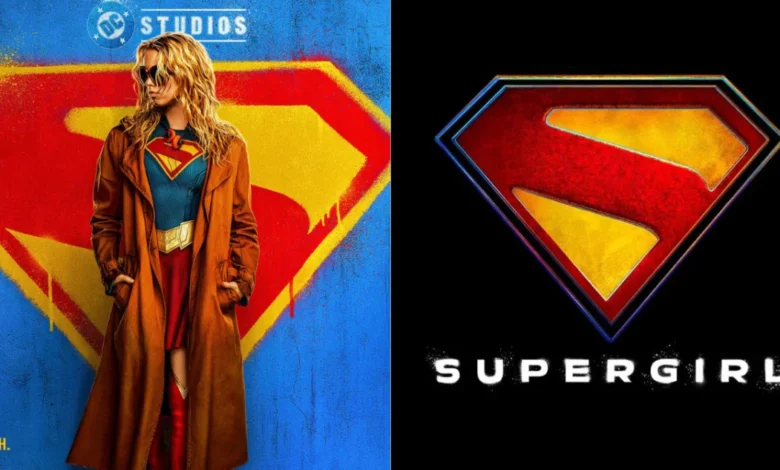
The DC Universe is once again at the forefront of public discussion following the release of a new trailer for Supergirl, showcasing Milly Alcock’s portrayal of the iconic "Woman of Tomorrow" and aiming to recalibrate audience perceptions after initial mixed reactions. This latest preview arrives at a critical juncture for DC Studios, as co-heads James Gunn and Peter Safran endeavor to forge a cohesive and critically acclaimed cinematic universe, beginning with their "Gods and Monsters" Chapter One slate. The film, slated for a June 26, 2026 release, carries the weight of revitalizing a character deeply ingrained in comic book lore while simultaneously establishing a new tonal and narrative direction for the franchise.
The Dawn of a New DC Universe: Context and Anticipation
The announcement of James Gunn and Peter Safran taking the reins of DC Studios in late 2022 marked a significant pivot for Warner Bros. Discovery’s superhero properties. Their vision, encapsulated in the "Gods and Monsters" Chapter One, promised a more unified and creatively driven approach, moving away from the often-disjointed efforts of the past. Among the key projects unveiled was Supergirl: Woman of Tomorrow, an adaptation of Tom King and Bilquis Evely’s critically acclaimed comic series, which reimagines Kara Zor-El’s journey with a more mature, introspective, and at times, darker sensibility.
The casting of Milly Alcock, widely recognized for her breakout role as young Rhaenyra Targaryen in HBO’s House of the Dragon, was met with widespread approval. Her selection was seen as a bold yet promising choice, bringing a blend of vulnerability and fierce independence to the character. Alcock’s debut as Supergirl is anticipated to occur in Gunn’s upcoming Superman film, further cementing her presence within the new DCU before her solo outing. This strategic introduction is designed to build familiarity and affection for the character, a tactic often employed to ensure audience investment in spin-off properties. The stakes for Supergirl are exceptionally high; its success is not merely about one film’s box office performance but about validating the creative direction and audience buy-in for the entire nascent DC Universe.
Initial Impressions: The First Trailer and its Mixed Reception
The initial trailer for Supergirl, released late last year, generated considerable buzz but also sparked a contentious debate among fans and critics alike. While Milly Alcock’s performance garnered near-unanimous praise, continuing the positive sentiment from her rumored appearance in Superman promotional materials, the overall aesthetic and tone of the footage proved divisive. Many viewers expressed concerns that the visual style appeared muted, lacking the vibrant, colorful palette often associated with Supergirl’s comic book history, particularly the Woman of Tomorrow series it purports to adapt. Online discussions and social media platforms became fertile ground for expressing these anxieties, with many questioning whether the film would capture the spirit of its source material effectively.
The criticism was not directed at Alcock, whose portrayal was described as capturing the "unbreakable heroine’s" essence, but rather at the perceived "off" quality of the production design and cinematography. This early feedback highlighted a broader challenge for superhero adaptations: balancing fidelity to beloved comic book aesthetics with a desire for cinematic realism or a unique visual identity. For a franchise attempting a fresh start, these early misgivings were particularly concerning, prompting fears that the DC Universe might encounter its first significant creative hurdle or, as some speculated, its "first proper flop" before even hitting theaters.
The Impact of Test Screenings and Course Corrections
Following the initial trailer’s release and the subsequent online discourse, reports from early test screenings began to surface, largely echoing the sentiment of the internet. These confidential screenings, crucial for studios to gauge audience reactions and make necessary adjustments, reportedly confirmed the mixed reception. While attendees continued to laud Milly Alcock’s performance, the feedback often pointed to deficiencies in other areas, from narrative pacing to visual execution. Such reports, even when unofficial, can significantly influence a film’s trajectory, often leading to reshoots, re-edits, or a re-evaluation of marketing strategies.
In the highly competitive landscape of superhero cinema, where audience goodwill is paramount, studios are increasingly responsive to test screening feedback. The history of superhero films is replete with examples of movies undergoing substantial changes based on these early evaluations. For Supergirl, the test screening reports underscored the urgency for DC Studios to address the perceived shortcomings. The challenge lay in "correcting the ship" without undermining the core vision or incurring exorbitant additional costs. This period of post-screening adjustment is often a high-stakes balancing act, requiring careful consideration of artistic integrity, commercial viability, and fan expectations.
The Latest Trailer: A Shift in Perception?
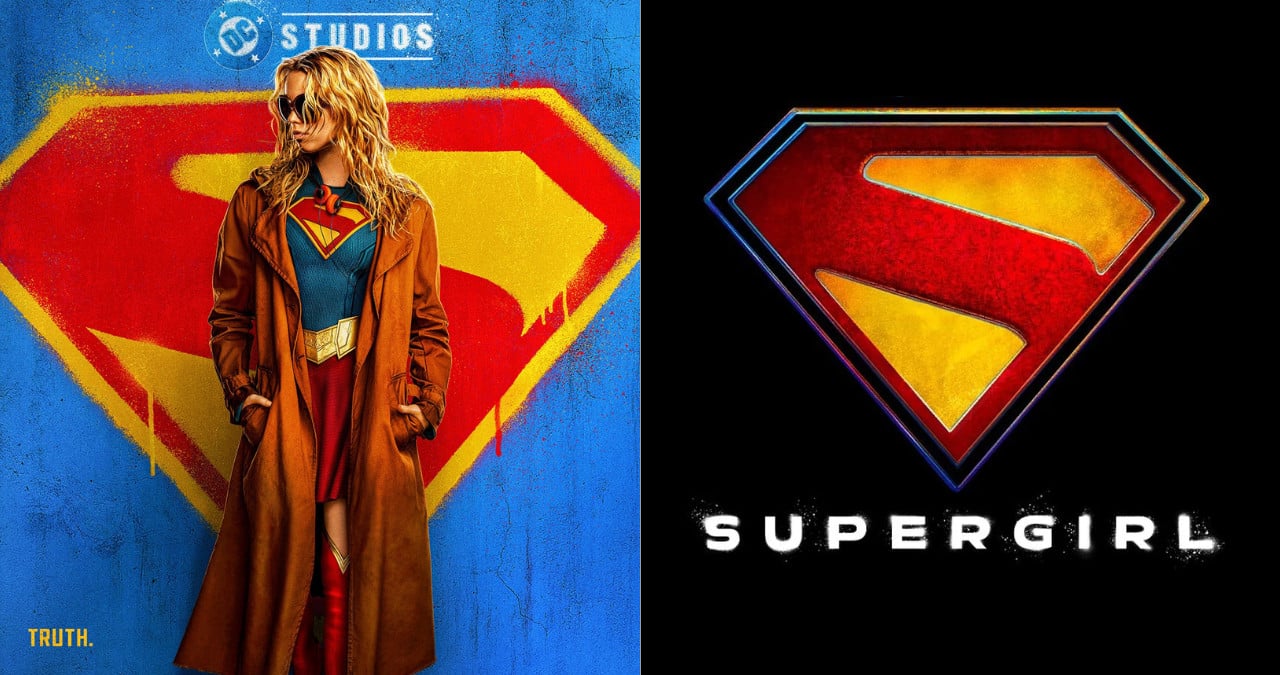
The recent unveiling of a new trailer for Supergirl appears to be a direct response to these earlier concerns and a concerted effort to reset public perception. While the ultimate judgment remains with individual viewers, the new footage introduces elements that suggest a course correction may indeed be underway. This latest preview offers what many fans are calling "undeniable goodies," including additional "stellar scenes" from Milly Alcock, further solidifying her command of the character. More importantly, there are hints that the aesthetic concerns raised by the first trailer might have been addressed.
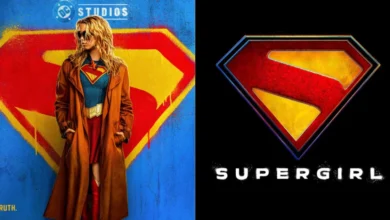
The trailer is carefully constructed to emphasize Supergirl’s emotional journey, positioning Kara Zor-El not just as a powerhouse but as a complex character grappling with immense responsibility and personal growth. The inclusion of new visual sequences and possibly re-edited scenes from the earlier cut aims to showcase a more dynamic and engaging cinematic experience. James Gunn himself, demonstrating his active involvement and commitment to the project, complemented the trailer’s release by sharing a new official poster for the movie. This coordinated release strategy, combining new visual media with direct engagement from a key creative head, is a common tactic to generate renewed enthusiasm and project confidence in the film’s direction.
The content of the new trailer is crucial for shaping the narrative around Supergirl. It needs to convince skeptical viewers that the studio has listened and acted, delivering a film that is both visually appealing and narratively compelling. The focus on Alcock’s emotional range is particularly important, as it taps into the core appeal of the Woman of Tomorrow comic, which delves deep into Kara’s psychological state and her moral compass.
The "Woman of Tomorrow" Influence and Narrative Depth
The decision to adapt Supergirl: Woman of Tomorrow for the big screen was a significant one, signaling a departure from previous, often lighter, interpretations of the character. Tom King and Bilquis Evely’s comic series is renowned for its mature themes, exploring Supergirl’s disillusionment with humanity, her quest for justice across the cosmos, and her struggle with immense power and responsibility. It presents a more world-weary and morally complex Kara, a stark contrast to the more innocent or straightforward portrayals seen in some past adaptations.
This source material offers a rich tapestry for Milly Alcock to explore. The comic’s narrative follows Kara as she embarks on an intergalactic adventure with a young alien girl named Ruthye, seeking revenge against those who wronged Ruthye’s family. This journey forces Supergirl to confront her own past, her Kryptonian heritage, and the moral ambiguities of dispensing justice. If the film successfully captures this depth, it could elevate Supergirl beyond a typical superhero origin story into a profound character study, resonating with audiences looking for more nuanced narratives within the genre. The "punk rock" descriptor used in the original article might allude to this edgier, less conventional approach to a character traditionally associated with optimism and brightness.
Strategic Marketing and the Road to Release
With the release date set for June 26, 2026, DC Studios still has a substantial marketing runway. Industry standard dictates that a "big trailer" is typically reserved for the month preceding a film’s theatrical debut, meaning May 2026 will likely see the release of the most comprehensive and impactful promotional video for Supergirl. Leading up to this, and throughout June, fans can anticipate a steady stream of "small teasers," likely "littered with never-before-seen scenes of Milly Alcock as the Woman of Tomorrow." This staggered release of promotional content is designed to maintain consistent engagement, build anticipation, and allow for targeted messaging to different segments of the audience.
The marketing campaign will be crucial in shaping the final perception of the film. It will need to highlight the unique elements of the Woman of Tomorrow adaptation, emphasize Milly Alcock’s compelling performance, and reassure audiences that the visual and narrative quality meets the high standards expected of a modern superhero blockbuster. The performance of Supergirl will be closely watched by industry analysts and fans alike, as it will serve as an early indicator of the new DC Universe’s ability to connect with a broad audience and deliver on its promise of a fresh, cohesive, and compelling cinematic experience.
Broader Implications for the DC Universe’s Future
The success or struggle of Supergirl holds significant implications for the nascent DC Universe under James Gunn and Peter Safran. As part of the "Gods and Monsters" slate, it’s one of the foundational pillars meant to define the new creative direction. A strong performance, both critically and commercially, would instill confidence in the studio’s vision, encourage further investment, and build momentum for subsequent projects like The Authority, Swamp Thing, and Lanterns. Conversely, a lukewarm reception could potentially undermine the public’s trust in the new direction, making it harder to attract audiences for future installments and risking a repeat of the inconsistent performance that plagued previous DC cinematic efforts.
The landscape of superhero cinema is more competitive than ever, with audiences increasingly discerning about quality and narrative depth. Films like Supergirl are not just competing with other superhero franchises but with a vast array of streaming content and diverse cinematic offerings. For the DC Universe to truly "sink or swim," as the original article posits, each film must not only stand on its own merits but also contribute positively to the overarching narrative and brand identity. Milly Alcock’s emotional journey as Supergirl is therefore not just a character arc within a film, but a crucial component of a much larger, ambitious cinematic endeavor. As the release date approaches, all eyes will be on how this "punk rock" iteration of the Woman of Tomorrow ultimately fares in the critical arena and at the global box office.