This Monty Python-esque comedy RPG lets you improv as a band of incompetent and dangerously powerful wizards

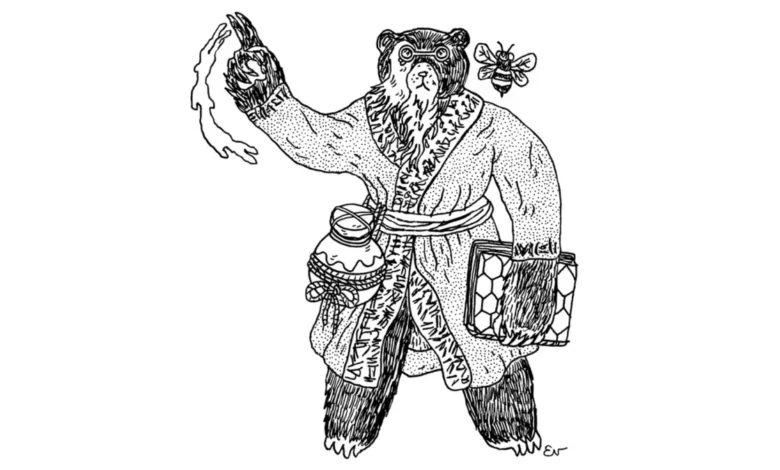
The game is designed to facilitate collaborative storytelling among any number of players, focusing on rapid-fire scenes and improvisational comedy. It draws heavy inspiration from the absurdist traditions of British comedy, citing influences such as Monty Python, The Mighty Boosh, and the mockumentary style of What We Do in the Shadows. By prioritizing the "strange and unexpected" over rigid tactical combat, the game carves out a niche in the growing market for rules-light, narrative-driven experiences.
Core Gameplay Mechanics and the Spotlight System
The mechanical structure of the game diverges from the industry-standard "Game Master (GM) versus Players" model. In most traditional roleplaying games, a single individual is responsible for world-building, adjudicating rules, and controlling non-player characters for the duration of a campaign. In contrast, this title utilizes a rotating "spotlight" system where the roles of player character and game master are fluid and shared among the entire group.
During a typical session, each scene focuses on a single player’s wizard. This "active player" takes the spotlight, describing the grandiose and often ridiculous spells they intend to cast. The objective for the active player is not necessarily to succeed in a traditional sense, but to impress their fellow sorcerers through creative description and narrative flair. However, the success of the spell is never guaranteed.
While one player occupies the spotlight, the remaining participants act collectively as the Game Master. Their primary responsibility is to decide exactly how the active player’s magic goes awry. This collaborative GMing encourages a "yes, and" or "no, but" improvisational environment, where the focus is on escalating the absurdity of the situation rather than strictly penalizing the player. This system democratizes the storytelling process, ensuring that all players are constantly engaged in the creative output of the game, regardless of whether it is currently their "turn" to be the protagonist.
The Problem Generator: Quantifying Chaos
One of the most technically significant features of the rulebook is the inclusion of a comprehensive Problem Generator. This tool is designed to provide instant inspiration for the collective GM, offering a vast array of potential disastrous outcomes for botched spells. According to the developer, the generator is capable of producing over 200,000 unique prompts.
In the context of tabletop game design, such a high number of permutations is typically achieved through modular tables—often referred to as "roll tables." By combining different variables—such as the physical manifestation of the failure, the unintended target, and the lasting social or environmental consequence—the game ensures that no two magical mishaps are identical. This high level of variability is essential for a game that relies on rapid scenes, as it prevents the comedic timing from becoming repetitive or predictable.
The game concludes after every participant has had several opportunities to occupy the spotlight. At the end of the session, players tally "points" to determine who among the group is the "most impressive" wizard. Notably, the scoring system is described as a "loose improv system," suggesting that the metrics for success are subjective and based on the group’s collective enjoyment of the narrative performance rather than mathematical optimization or tactical efficiency.
Creative Pedigree: Armstrong and Moreau
The development of the game is led by Sam Armstrong, an established figure in the independent tabletop RPG (TTRPG) scene. Armstrong has built a reputation for subverting genre expectations through previous titles such as All Bastard. In that game, players take on the roles of either "bragging heroes" or the "bastards" they have defeated, showcasing Armstrong’s interest in the social dynamics and fallibilities of fantasy archetypes. His work on the horror-themed RPG Slasher further demonstrates a range that encompasses both high-tension drama and satirical deconstruction.
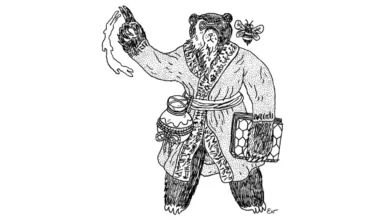
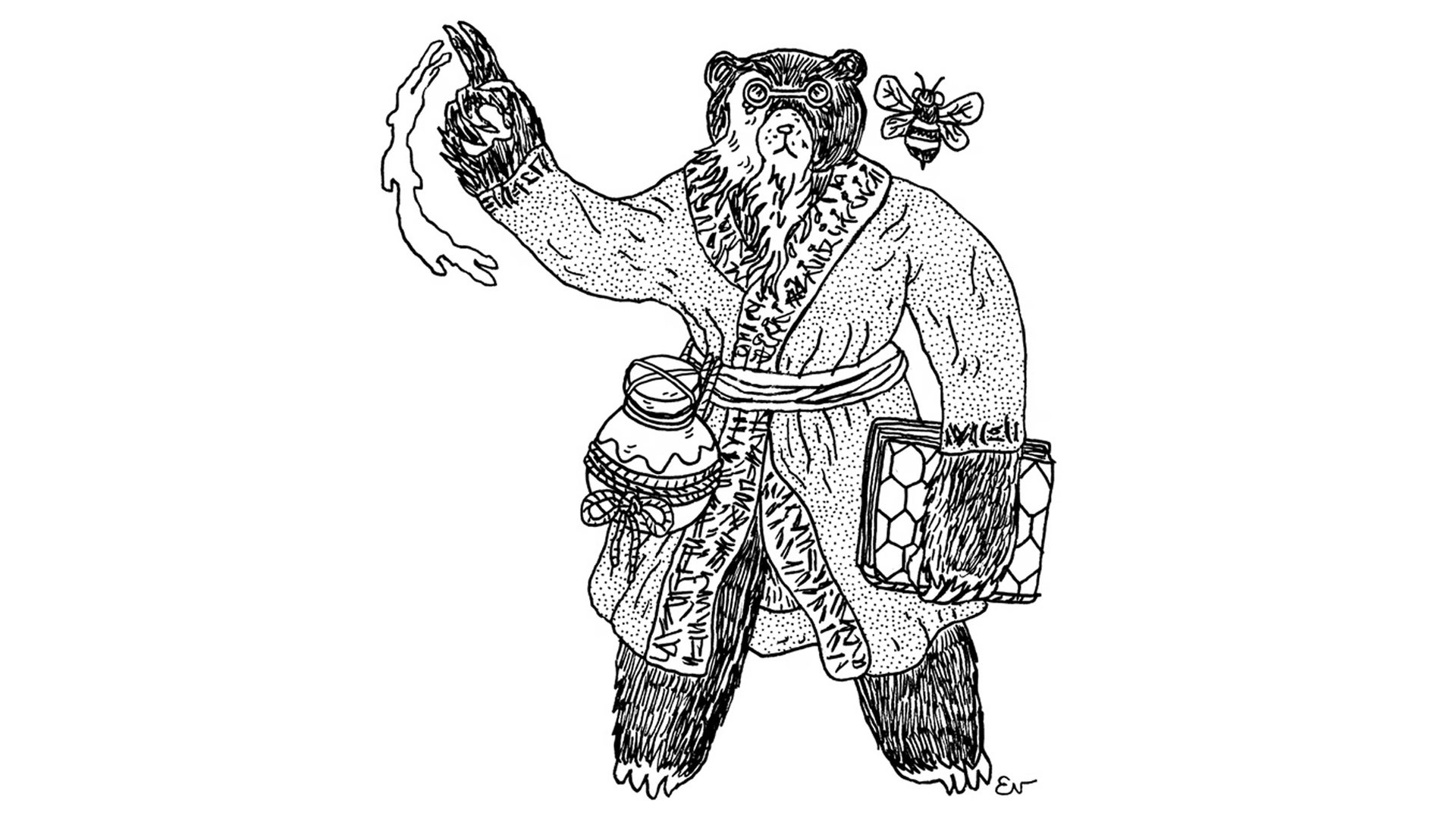
The visual identity of the project is provided by illustrator Evlyn Moreau. Moreau is well-known in the indie RPG community for her distinct, whimsical art style, which often blends the macabre with the playful. Her previous work on Liminal High School and various contributions to the "Old School Essentials" (OSE) zine scene have made her a sought-after collaborator for projects that require a unique, non-corporate aesthetic. The artwork in this title serves to reinforce the absurdist tone, portraying wizards not as dignified scholars, but as eccentric and unpredictable figures.
Chronology of Development and Crowdfunding Performance
The project’s journey from concept to publication follows the typical trajectory of modern independent TTRPGs, utilizing crowdfunding to gauge market interest and fund production.
- Initial Concept and Design: Developed throughout late 2023 and early 2024, focusing on a "pick-up-and-play" philosophy.
- Kickstarter Launch: The campaign was launched in mid-2024 with a modest funding goal, reflecting the low overhead of zine-style RPG production.
- Funding Success: The campaign quickly met its initial targets, bolstered by the reputations of both Armstrong and Moreau.
- Current Status: The crowdfunding campaign is reaching its final hours, with the project slated for digital and physical distribution shortly thereafter.
- Expected Delivery: Backers are expected to receive their physical copies in June, a relatively fast turnaround time made possible by the game’s streamlined ruleset and completed artwork.
Following the conclusion of the Kickstarter, the game is expected to be hosted on Armstrong’s Itch.io page, a leading platform for independent game creators. The pricing structure—£8 ($10) for a physical copy and £4 ($5) for a PDF—positions the game as an accessible "entry-level" product, contrasting with the high-cost, hardcover manuals produced by major industry players like Wizards of the Coast or Paizo.

Market Analysis: The Rise of Rules-Light and "Wholesome" Gaming
The emergence of this title coincides with a broader shift in the TTRPG industry. For decades, the market was dominated by "crunchy" systems—games with hundreds of pages of rules governing every possible interaction. However, the last five years have seen a surge in the popularity of "rules-light" or "narrative-first" games.
This shift is driven by several factors. First, the "Actual Play" phenomenon (live-streamed gaming sessions like Critical Role or Dimension 20) has emphasized storytelling and character interaction over mechanical math, leading new players to seek games that facilitate those experiences. Second, the "low barrier to entry" offered by games like this allows groups to start playing within minutes, making them ideal for social gatherings or "one-shot" sessions where players may not have the time to learn a complex system.
Furthermore, the game fits into a sub-genre often described as "wholesome" or "chill" gaming. While the wizards in this game are incompetent and their spells fail, the tone remains lighthearted. There is no threat of permanent character death or complex resource management. Instead, the "failure" is the entertainment. This "failing forward" philosophy is a hallmark of modern indie design, where a bad dice roll or a narrative mistake is viewed as an opportunity for a more interesting story rather than a dead end.
Broader Implications for the TTRPG Industry
The success of projects like this suggests that there is a sustainable market for small-scale, highly specialized RPGs that do not attempt to be "everything to everyone." By focusing on a specific comedic niche—the incompetent wizard—Armstrong has created a product that serves as a perfect supplement to a gaming group’s library.
From an industry perspective, the reliance on platforms like Itch.io and Kickstarter highlights the decentralization of game publishing. Independent creators can now reach global audiences without the need for traditional distribution networks. The use of a "Problem Generator" also hints at the future of procedural generation in tabletop gaming, where designers provide the "seeds" of a story, and the players—aided by the book’s logic—cultivate the results.
As the TTRPG community continues to diversify, games that prioritize humor, collaboration, and ease of use are likely to remain at the forefront of the indie scene. This title stands as a testament to the idea that sometimes, the most memorable gaming experiences come not from a perfectly executed plan, but from the spectacular, magical mess that follows when things go wrong.