This Monty Python-esque comedy RPG lets you improv as a band of incompetent and dangerously powerful wizards

The Core Concept: Chaos as a Game Mechanic
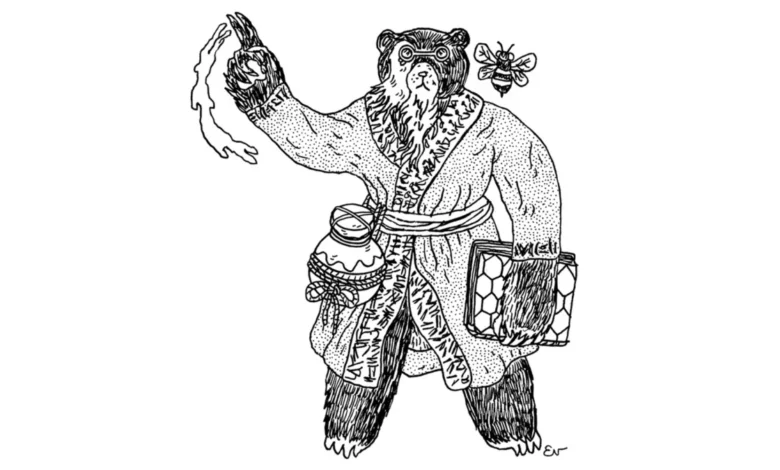
At the heart of Hello Wizard I Have a Problem is the premise of professional failure. Players inhabit the roles of wizards who possess immense magical potential but lack the necessary discipline or composure to wield it effectively. The gameplay loop is designed to mirror the tone of classic British absurdist comedy, drawing thematic parallels to the improvisational brilliance of Monty Python, the surrealist humor of The Mighty Boosh, and the mockumentary-style supernatural blunders found in What We Do in the Shadows.
Unlike the traditional "Games Master" (GM) model, where one individual directs the world and the plot, Hello Wizard employs a rotating responsibility system. In each scene, one participant takes the lead as the active spellcaster, while the remainder of the group assumes the collective role of the GM. This decentralized approach ensures that the narrative burden is shared, allowing for a faster, more fluid storytelling experience that encourages spontaneous reactions rather than pre-planned encounters.
Technical Execution and the Problem Generator
The game’s most notable technical feature is its proprietary "Problem Generator." Recognizing that the central appeal of the game lies in the unpredictable nature of magical failure, Armstrong has engineered a system that offers over 200,000 unique prompts for how a spell might deviate from the caster’s intentions. This engine serves as the primary arbiter of conflict within the game. When a player describes a spell, the rest of the table consults the generator to determine the specific, often hilarious, consequences of the action.
The system is designed for accessibility. Recognizing the barrier to entry often associated with complex fantasy roleplaying games, the rulebook emphasizes a "low-friction" setup process. Players are intended to move from character creation to gameplay in a matter of minutes. The inclusion of optional modules and expert advice within the rulebook provides a roadmap for those looking to expand the complexity of their sessions without compromising the game’s core identity as a fast-paced, comedic experience.
Chronology and Crowdfunding Development
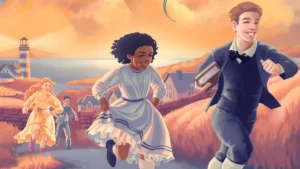
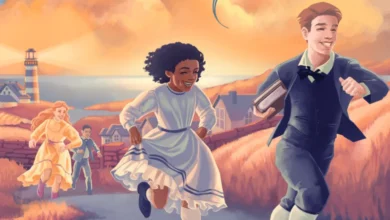
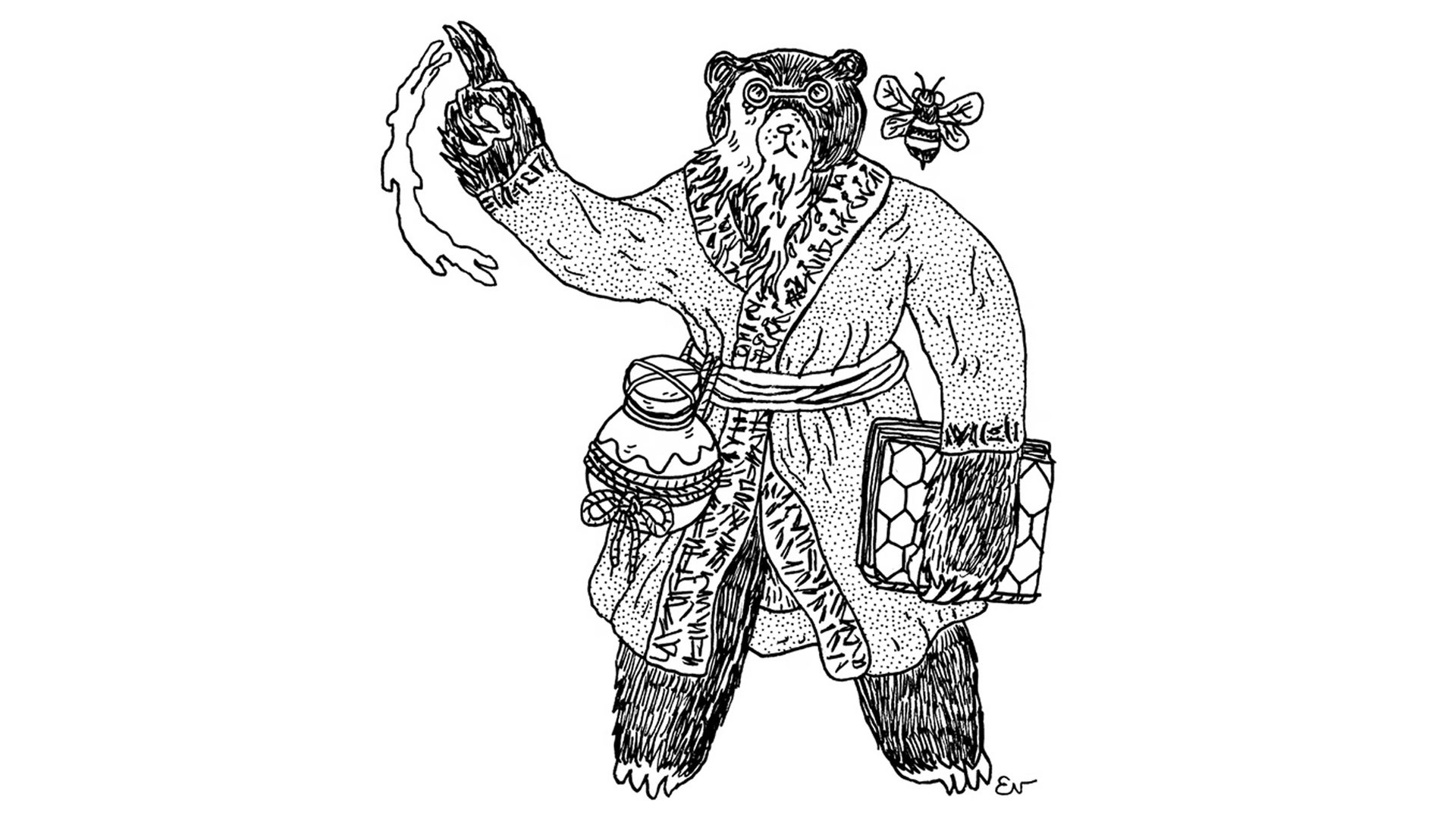
The development of the title has followed a lean, independent trajectory. Sam Armstrong, an established name in the indie RPG scene, has utilized his experience from previous titles—such as the satirical hero-versus-villain game All Bastard and the horror-focused Slasher—to refine the mechanics for this project. The collaboration with illustrator Evlyn Moreau, known for her work on Liminal High School, has provided the game with a distinct visual identity that matches the whimsical, high-energy tone of the writing.
The crowdfunding campaign for the game was launched on Kickstarter to secure the necessary funding for a print run and digital distribution. As of the final hours of the campaign, the project has successfully engaged a niche but dedicated community of tabletop enthusiasts. The campaign offers two primary tiers: a digital PDF version for approximately £4 ($5) and a physical print copy for £8 ($10), with delivery for the latter slated for June. This pricing model reflects a growing trend in the indie RPG market, where affordability and ease of distribution via platforms like Itch.io take precedence over high-margin retail strategies.
Analysis of the Indie RPG Landscape
The success of titles like Hello Wizard I Have a Problem highlights a significant shift in the tabletop market. For decades, the industry was dominated by high-crunch, long-form campaigns that required significant time and financial investment. In contrast, the current "indie revolution" favors games that can be completed in a single session—often referred to as "one-shots."
By moving away from the traditional GM-player power dynamic, the game addresses a common pain point in the hobby: the scarcity of players willing to take on the intensive role of a permanent GM. By making the GM role a shared, temporary responsibility, the game effectively lowers the barrier to entry for casual players. This democratization of the roleplaying experience is likely to influence future designs, as smaller publishers continue to experiment with non-hierarchical game structures.
Furthermore, the focus on "improv-based points" rather than combat-based experience points (XP) signals a move toward narratively driven rewards. In Hello Wizard, the "winner" is determined by a collective, subjective assessment of who provided the most entertaining performance. This shifts the player’s goal from "winning the game" through mechanics to "succeeding at the performance" through humor.

Broader Impact and Implications for Tabletop Gaming
The influence of this design philosophy extends beyond the game itself. It represents a broader movement within the tabletop community toward "story games," where the mechanical success or failure of an action is secondary to the quality of the narrative generated by that failure. In the context of modern media consumption, where short-form, high-impact entertainment (such as TikTok, YouTube shorts, and sketch comedy) is dominant, a game that provides immediate gratification and rapid scene turnover is well-positioned for success.
The game also benefits from the professionalization of the indie sector. Designers like Sam Armstrong are increasingly utilizing crowdfunding as a validation tool before full-scale production. This mitigates the risk for creators while providing backers with a sense of participation in the creative process. The reliance on digital marketplaces like Itch.io allows these titles to maintain a long-tail presence, reaching audiences globally without the overhead costs associated with traditional brick-and-mortar distribution.
Future Outlook
As the crowdfunding campaign concludes, the focus for the development team will shift to fulfillment. If the projected June delivery date is met, Hello Wizard I Have a Problem will join a growing library of "rules-lite" RPGs that are reshaping how audiences interact with fantasy tropes.
For the tabletop industry at large, the success of this project serves as a reminder that the demand for diverse, experimental, and comedic gameplay remains high. While major franchise titles continue to occupy the majority of the market share, the space for innovative, niche projects created by individual designers continues to expand. The success of Hello Wizard, both in terms of its funding and its clear conceptual design, suggests that there is a sustainable market for games that prioritize social interaction and creative expression over traditional "dungeon crawling."
In summary, Hello Wizard I Have a Problem represents a calculated, creative effort to modernize the tabletop roleplaying experience. By synthesizing the erratic charm of absurdist theater with a robust, automated prompt system, the game offers a refreshing alternative to standard fantasy fare. Its success will likely encourage further experimentation with rotating leadership models and performance-based scoring systems, ensuring that the indie RPG scene remains a vibrant, unpredictable, and highly creative space for years to come. Whether one is a seasoned veteran of tabletop gaming or a newcomer to the hobby, the game promises a structured yet chaotic environment that rewards quick wit and a willingness to embrace the inevitable, catastrophic failure of one’s own magical ambition.
Related posts: