“Vincent Price: What Keeps Us Alive”: Director Matthew Miele on celebrating a legend | Slice of SciFi

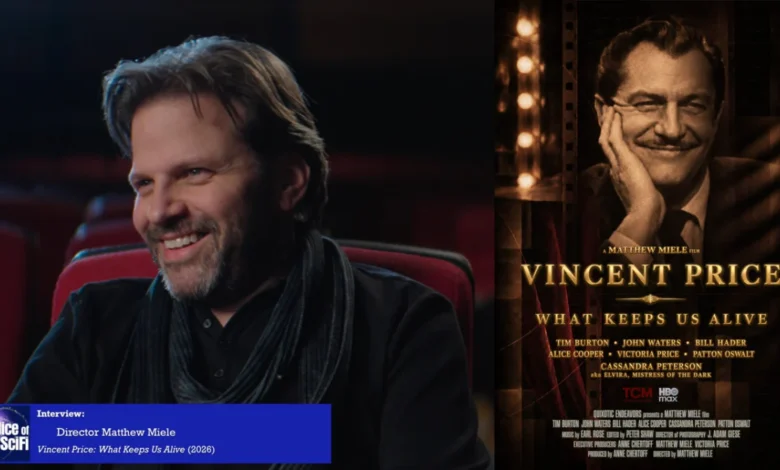
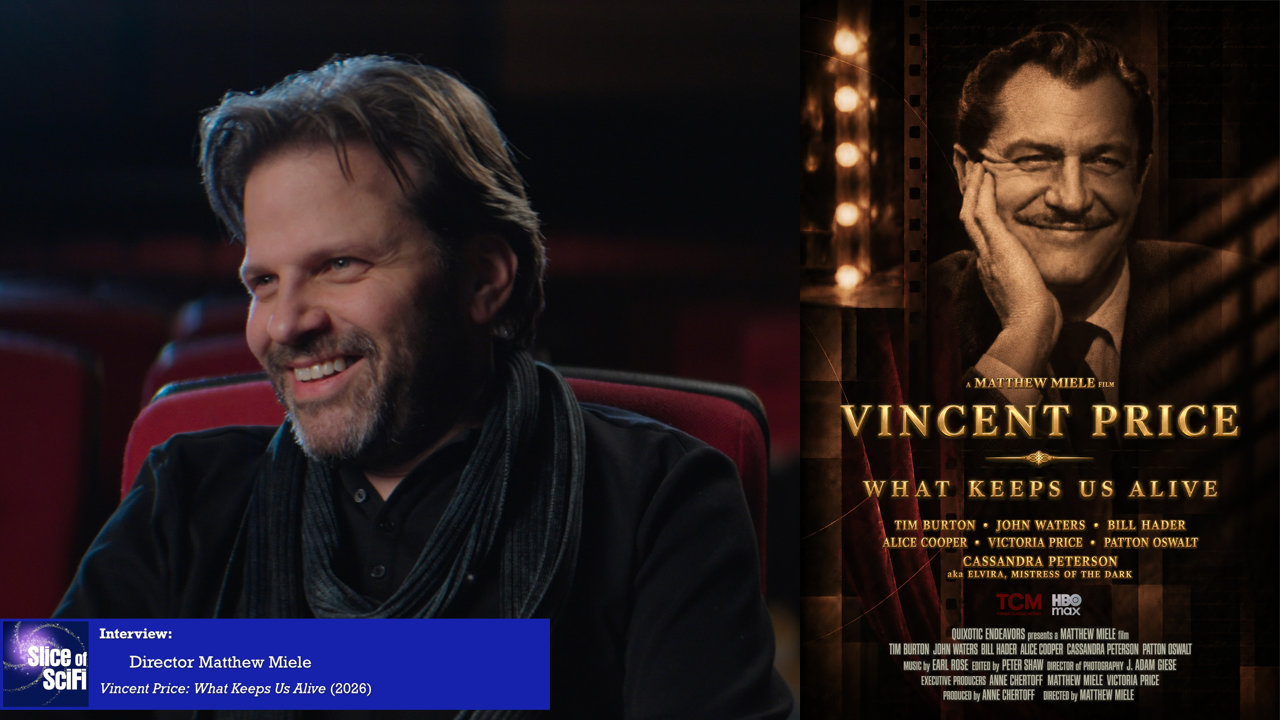
The enduring legacy of master of the macabre Vincent Price is taking center stage in a comprehensive new documentary titled Vincent Price: What Keeps Us Alive. Directed by acclaimed filmmaker Matthew Miele, the film serves as a loving, meticulous exploration of the legendary actor’s multifaceted life, legendary career, and profound cultural footprint. Ahead of the documentary’s highly anticipated world premiere, Miele sat down to discuss the monumental project, shedding light on the personal and professional dimensions of an artist who redefined cinematic horror.
The World Premiere and Streaming Rollout
The chronological rollout for Vincent Price: What Keeps Us Alive begins with a prestigious world premiere on October 2, 2026, at Poe Fest International in Baltimore, Maryland. Set against a backdrop celebrating gothic literature and horror heritage, the festival offers an appropriate launchpad for a film dedicated to one of the genre’s most sophisticated practitioners. Following its festival debut, the documentary is scheduled to make its broader public debut on HBO Max on October 30, perfectly timed for the Halloween season.
This hybrid release strategy ensures that both dedicated cinephiles and general audiences will have immediate access to a deep dive into Price’s career. Industry analysts note that placing the documentary on a major streaming platform like HBO Max significantly amplifies its reach, introducing younger generations to a performer whose career spanned more than half a century.
Behind the Lens: Matthew Miele’s Vision
Director Matthew Miele is no stranger to celebrating cultural icons through the medium of documentary film. Known for his previous acclaimed works highlighting influential figures and institutions—including projects tied to Turner Classic Movies—Miele brings a distinct blend of historical reverence and contemporary insight to Vincent Price: What Keeps Us Alive.
In discussing the genesis of the project, Miele explained how his deep-seated passion for horror cinema, combined with his extensive background in archival documentary filmmaking, naturally converged on Vincent Price. Rather than relying solely on standard film clips and predictable talking heads, Miele sought to paint a holistic portrait of a man who was as passionate about fine art and gastronomy as he was about playing villains on the silver screen.
Unprecedented Access: Family and Celebrity Tributes
One of the defining strengths of Vincent Price: What Keeps Us Alive is its unprecedented level of access to the Price family. Miele secured vital input and participation from Vincent Price’s children and grandchildren, who provided rare personal anecdotes, family photographs, and intimate memories that humanize the legendary screen villain. These contributions offer viewers a glimpse into the private life of a man known publicly for his theatricality and grand gestures.
In addition to family recollections, the documentary boasts a star-studded lineup of actors, directors, and musicians whose own creative trajectories were shaped by Price’s body of work. Among the notable figures appearing in the film are visionary director Tim Burton, counterculture icon John Waters, shock rock pioneer Alice Cooper, horror hostess Cassandra "Elvira" Peterson, and comedian-actor Bill Hader. Each contributor articulates the specific ways in which Price’s unique blend of menace, elegance, and self-aware humor influenced their respective artistic identities.
For instance, Tim Burton’s lifelong fandom famously culminated in casting Price in the director’s 1990 masterpiece Edward Scissorhands, which proved to be one of the actor’s final and most poignant screen performances. Similarly, John Waters—a fellow Baltimore native—has long championed Price’s camp appeal and aristocratic dignity, elements that heavily influenced Waters’ own cinematic aesthetic.
Exploring the Artist Beyond the Screen
While mainstream audiences primarily associate Vincent Price with iconic 1960s horror adaptations of Edgar Allan Poe directed by Roger Corman—such as The Fall of the House of Usher (1960), The Pit and the Pendulum (1961), and The Masque of the Red Death (1964)—Miele’s documentary refuses to pigeonhole its subject.
The film explores Price’s rigorous theatrical training, his extensive work in traditional drama and comedy, and his status as a passionate art historian and collector. Alongside his late wife, Mary Grant Price, the actor was a dedicated patron of the arts, famously helping to establish the Vincent Price Art Museum in California through massive donations from their personal art collection. Price was also an accomplished author, writing several books on cooking and fine art, and frequently lecturing at universities across the United States.
Miele’s documentary captures this intellectual curiosity, presenting Price not merely as a purveyor of cinematic terror, but as a Renaissance man who approached every endeavor with profound dedication and erudition.
Cultural Implications and the Call for Physical Media
As the documentary prepares for its release, cultural critics and fans are discussing the broader implications of preserving the histories of mid-century cinematic legends. In an era dominated by rapid content consumption and digital ephemera, projects like Vincent Price: What Keeps Us Alive act as vital cultural touchstones. They contextualize the building blocks of modern genre filmmaking, reminding contemporary audiences of the craftsmanship, charisma, and hard work required to build a legendary career before the advent of CGI and modern digital marketing.
Furthermore, enthusiasm surrounding the documentary has reignited conversations within the fan community regarding the preservation of Price’s wider educational and cultural output. Industry observers and passionate cinephiles have emphasized the pressing need for a comprehensive physical media release compiling Price’s extensive lecture series, particularly his archival recordings and presentations on horror movies, art, and the macabre. Such a release would serve as an invaluable educational resource for film historians and fans alike.
Chronology of Vincent Price’s Major Milestones
To understand the weight of Matthew Miele’s documentary, it is helpful to look at the sweeping timeline of Vincent Price’s life and career:
- May 27, 1911: Vincent Leonard Price Jr. is born in St. Louis, Missouri.
- 1930s: Price begins his professional acting career on the stage in London and on Broadway, gaining critical acclaim for roles such as Prince Albert in Victoria Regina.
- 1938: He makes his official feature film debut in Service de Luxe, quickly transitioning to a reliable character actor in Hollywood dramas, film noirs, and historical epics like The Song of Bernadette (1943) and Laura (1944).
- 1953: Price stars in House of Wax, Warner Bros.’ first 3D feature film, which marks his definitive pivot toward the horror genre that would define his legacy.
- 1960–1969: Collaborating with director Roger Corman and American International Pictures (AIP), Price stars in a legendary series of Edgar Allan Poe adaptations that cement his status as a horror icon.
- 1970s–1980s: Price transitions smoothly into voice work, television, and cultural endeavors, memorably narrating Michael Jackson’s iconic spoken-word bridge in the 1982 music video for Thriller.
- 1990: He delivers a deeply moving final live-action performance in Tim Burton’s Edward Scissorhands.
- October 25, 1993: Vincent Price passes away at the age of 82 in Los Angeles, California, leaving behind a monumental cinematic legacy.
- October 2, 2026: Vincent Price: What Keeps Us Alive celebrates its world premiere at Poe Fest International in Baltimore, Maryland.
- October 30, 2026: The documentary makes its streaming premiere on HBO Max.
Conclusion
Vincent Price: What Keeps Us Alive arrives at a time when the appreciation for classic Hollywood craftsmanship and genre history remains exceptionally strong. By blending intimate family perspectives with insightful commentary from modern cultural icons, Matthew Miele has crafted more than just a biographical documentary; he has constructed a celebratory monument to an actor whose theatrical voice, piercing gaze, and sophisticated charm continue to resonate. As audiences gather in Baltimore and later stream the film on HBO Max, Vincent Price proves once again that true legends never truly fade into the shadows—their work keeps them perpetually alive in the hearts of those who love cinema.
Related posts: